







Can You Claim VAT Back On Car Leasing?
Car Leasing VAT

If you are considering business car leasing, one of the biggest financial advantages is the ability to reclaim VAT on your monthly lease payments. However, the rules around VAT on leased vehicles can often feel confusing, especially when private use, maintenance packages and different vehicle types are involved.
In many cases, VAT-registered businesses can reclaim 50% of the VAT charged on the lease of a company car. In some situations, businesses may even be able to reclaim 100% of the VAT. The exact amount depends on how the vehicle is used, whether there is any private use involved, and the type of vehicle being leased.
Understanding how VAT works on leased vehicles can help businesses reduce costs, improve cash flow, and make better decisions when comparing leasing with buying a car outright.
In this guide, we explain how VAT reclaim works on cars leased through a leasing company, what HMRC rules apply, when you can reclaim the VAT in full, and what records you need to keep to stay compliant.
Can You Reclaim VAT on a Leased Car?
Yes, in many cases, you can reclaim the VAT charged on a leased vehicle if your business is VAT registered. However, the amount of VAT you can recover depends on how the vehicle is used.
For most company car leases with some personal use, HMRC allows businesses to reclaim 50% of the VAT on the finance element of the lease payment. This is commonly referred to as the “50% VAT rule”.
If the vehicle is used exclusively for business purposes and there is no private use, it may be possible to reclaim 100% of the VAT.
This applies to many business vehicles supplied through a leasing company, including electric vehicles and hybrid company cars.
| Vehicle Type | VAT Reclaim on Lease | Maintenance VAT | Typical Usage |
|---|---|---|---|
| Standard company car | 50% | 100% | Mixed use |
| Business-only car | 100% | 100% | No private use |
| Taxi/driving school car | 100% | 100% | Commercial use |
| Van/commercial vehicle | 100% | 100% | Business use |
Why Does HMRC Only Allow 50% of the VAT to Be Reclaimed?
HMRC assumes that most cars leased by businesses will also be used privately at some point, even if that private use is minimal. Commuting to and from work counts as private use, which is why many company cars automatically fall under the 50% restriction.
Because of this assumption, businesses can normally reclaim 50% of the VAT charged on the lease rentals ad 100% of the VAT on qualifying maintenance charges if itemised separately.
This rule applies whether the lease is for:
Petrol vehicles
Diesel vehicles
Electric cars
Hybrid vehicles
The restriction applies specifically to passenger cars leased for mixed business and personal use.
When Can You Reclaim 100% of the VAT?
In certain situations, businesses can reclaim 100% of the VAT charged on a leased vehicle.
To qualify, the car must be used solely for business purposes with absolutely no private use whatsoever.
Examples may include:
Pool cars kept permanently on business premises
Certain business vehicles used only during working hours
A driving school car used exclusively for instruction
Vehicles used for hire with a driver
Vehicles used for drive hire services or taxi operations
HMRC may require evidence that the vehicle is never used privately. This could include:
Mileage logs
Employee agreements
Overnight parking records
Vehicle tracking data
Without clear evidence, HMRC is likely to apply the standard 50% VAT restriction.
Can You Reclaim VAT on Maintenance Packages?

Yes, in many cases businesses can reclaim 100% of the VAT on maintenance charges associated with a leased vehicle, provided the maintenance element is shown separately on the VAT invoice. This can include costs for servicing, repairs, tyres, routine maintenance, and breakdown cover. This distinction is important because, while businesses can typically reclaim only 50% of the VAT charged on the lease itself when private use is involved, the VAT on qualifying maintenance packages can often be reclaimed in full. For businesses operating a fleet of company cars, reclaiming VAT on maintenance costs can lead to significant long-term savings and help reduce overall fleet running expenses.
VAT on Cars Leased vs Buying a Car
Businesses often compare leasing against buying a car outright when assessing tax efficiency and overall running costs. When purchasing a passenger vehicle, reclaiming VAT is usually far more restrictive, and in many cases the VAT cannot be reclaimed at all unless the vehicle falls into a specific qualifying category. This may include a driving school car, taxi, self-drive hire vehicle, demonstrator vehicle or a car that has absolutely no private use. By comparison, HMRC generally provides clearer and more accessible VAT recovery rules for leased vehicles, which is one reason why leasing can be particularly attractive for VAT-registered businesses. Alongside potential VAT advantages, leasing also enables businesses to spread costs through predictable monthly payments, avoid large upfront capital expenditure, access newer vehicles more regularly and potentially improve overall cash flow management.
Are Vans and Commercial Vehicles Different?
Yes, VAT rules are generally more favourable for commercial vehicles and vans than they are for passenger cars. If a van is used for business purposes, VAT-registered businesses can often reclaim 100% of the VAT on the lease, 100% of the VAT on qualifying maintenance costs, and 100% of the VAT on fuel used for business-related journeys. Commercial vehicles are treated differently because they are primarily designed for carrying goods rather than passengers, which changes how HMRC applies VAT rules. Examples of qualifying vehicles can include panel vans, Luton vans, commercial fleet vehicles and certain pick-up trucks depending on how they are classified. As a result, van leasing can be a particularly attractive and tax-efficient option for many businesses looking to manage operational costs more effectively.
How Does VAT Work on Electric Car Leasing?
The VAT treatment for electric vehicles is broadly the same as it is for petrol or diesel company cars. If an electric vehicle is used for both personal and business purposes, VAT-registered businesses can typically reclaim 50% of the VAT charged on the lease payments, along with 100% of the VAT on qualifying maintenance packages where applicable. However, if the electric company car is used solely for business purposes with absolutely no private use, businesses may be able to reclaim 100% of the VAT instead. As more companies transition towards electric vehicles, understanding how VAT recovery works has become an increasingly important part of calculating overall running costs and assessing the long-term financial benefits of EV leasing.
What Counts as Private Use?
One of the most commonly misunderstood aspects of VAT on company car leasing is the definition of private use. HMRC takes a broad view of what counts as private use, and this can include commuting to and from work, personal journeys, family use, weekend driving and any travel that is not directly related to business activities. Even occasional private use is usually enough to trigger the standard 50% VAT restriction on leased cars. To reclaim 100% of the VAT charged on a vehicle lease, businesses must be able to clearly demonstrate that the vehicle is never used privately under any circumstances, which often requires detailed records and strict usage policies.
What Records Do You Need to Keep?
To reclaim VAT correctly on a leased vehicle, businesses should keep accurate documentation and organised records of the lease and how the vehicle is used. This typically includes a valid VAT invoice from the leasing company, mileage logs, lease agreements, maintenance records, evidence of business use and separate invoices for maintenance charges where applicable. Maintaining clear and detailed records is important in case HMRC requests supporting evidence for input tax claims. A proper VAT invoice should clearly show the amount of VAT charged, the lease payment breakdown, supplier details and the VAT registration number. Without a valid VAT invoice, businesses may be unable to reclaim VAT correctly, which could lead to issues during an HMRC review or audit.
Common Mistakes Businesses Make
There are several common misunderstandings around VAT on leased vehicles.
Assuming all VAT can be reclaimed
Many businesses mistakenly believe they can reclaim 100% of the VAT automatically. In reality, most cars leased for mixed use fall under the 50% rule.
Forgetting maintenance VAT
Some businesses fail to reclaim VAT on maintenance packages even though this element is often fully recoverable.
Poor mileage records
Insufficient records can make it difficult to justify VAT claims if questioned by HMRC.
Misclassifying vehicles
Not all pickups or utility vehicles automatically qualify as commercial vehicles for VAT purposes.
Is Leasing a Tax-Efficient Option for Businesses?
For many VAT-registered businesses, leasing can offer significant tax and cash-flow advantages compared to buying a car outright. Depending on how the vehicle is used, businesses may be able to reclaim 50% of the VAT on lease payments and 100% of the VAT on qualifying maintenance charges, helping to reduce overall running costs. Leasing can also provide lower upfront costs, predictable monthly budgeting and access to newer, more efficient vehicles without the large capital investment associated with purchasing. However, the exact financial benefits will depend on several factors, including the type of vehicle, how it is used for business purposes, the company’s VAT status, and whether there is any private use. As VAT and tax rules can vary depending on individual circumstances, it is always advisable to speak with an accountant or tax adviser before entering into a lease agreement.

Claiming VAT Back on Car Leasing
If your business is VAT registered, leasing a company car can provide valuable VAT recovery opportunities. In most cases, businesses can reclaim 50% of the VAT charged on the lease alongside 100% of the VAT on qualifying maintenance charges.
In specific circumstances where there is no private use at all, businesses may even be able to reclaim 100% of the VAT.
Understanding how input tax rules apply to cars leased through a leasing company can help businesses make more informed decisions, reduce costs and maximise tax efficiency.
Whether you are leasing a single company car, managing a fleet of business vehicles or exploring electric vehicle leasing, understanding the VAT implications is an important part of the decision-making process.
What's next?
Enjoyed this? Read our latest news
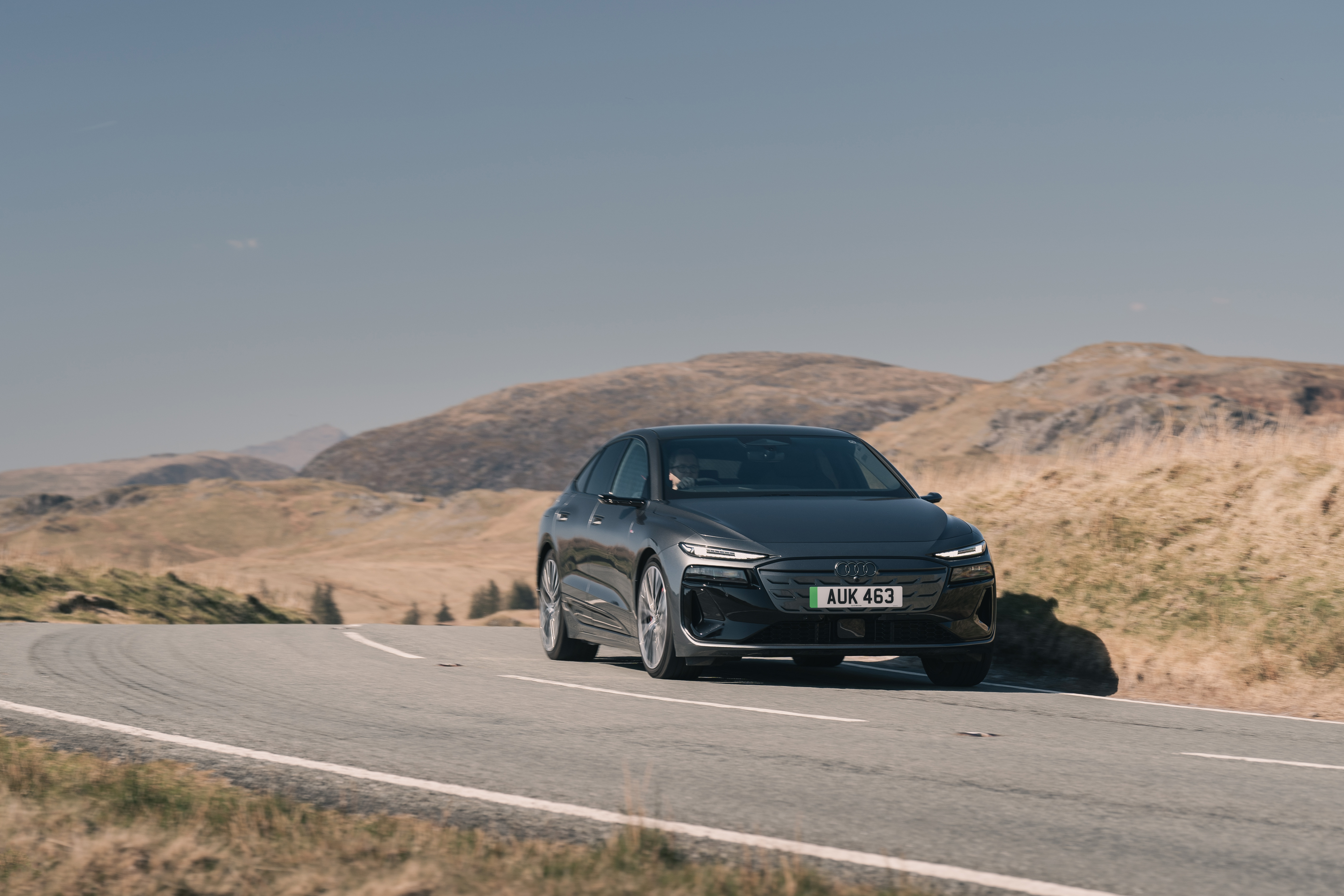
Audi Q6 e-tron Review
Read our expert Audi Q6 e-tron review. Discover range, charging, practicality, performance and whether an Audi Q6 e-tron lease is right for you.
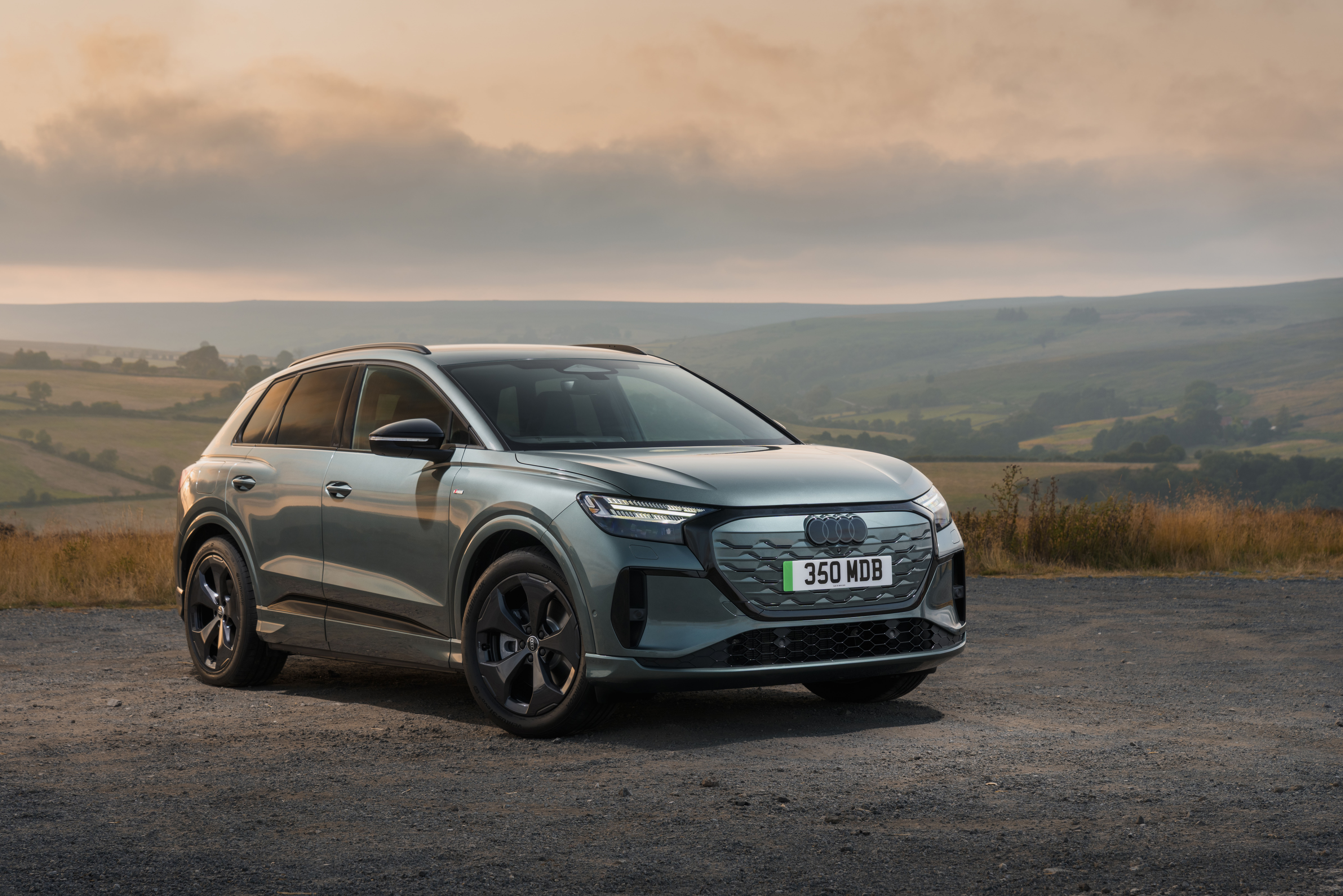
Audi Q4 e-tron Review
Thinking about leasing an Audi Q4 e-tron? Our expert review covers driving performance, interior quality, range, charging, practicality and how it compares with its biggest rivals.
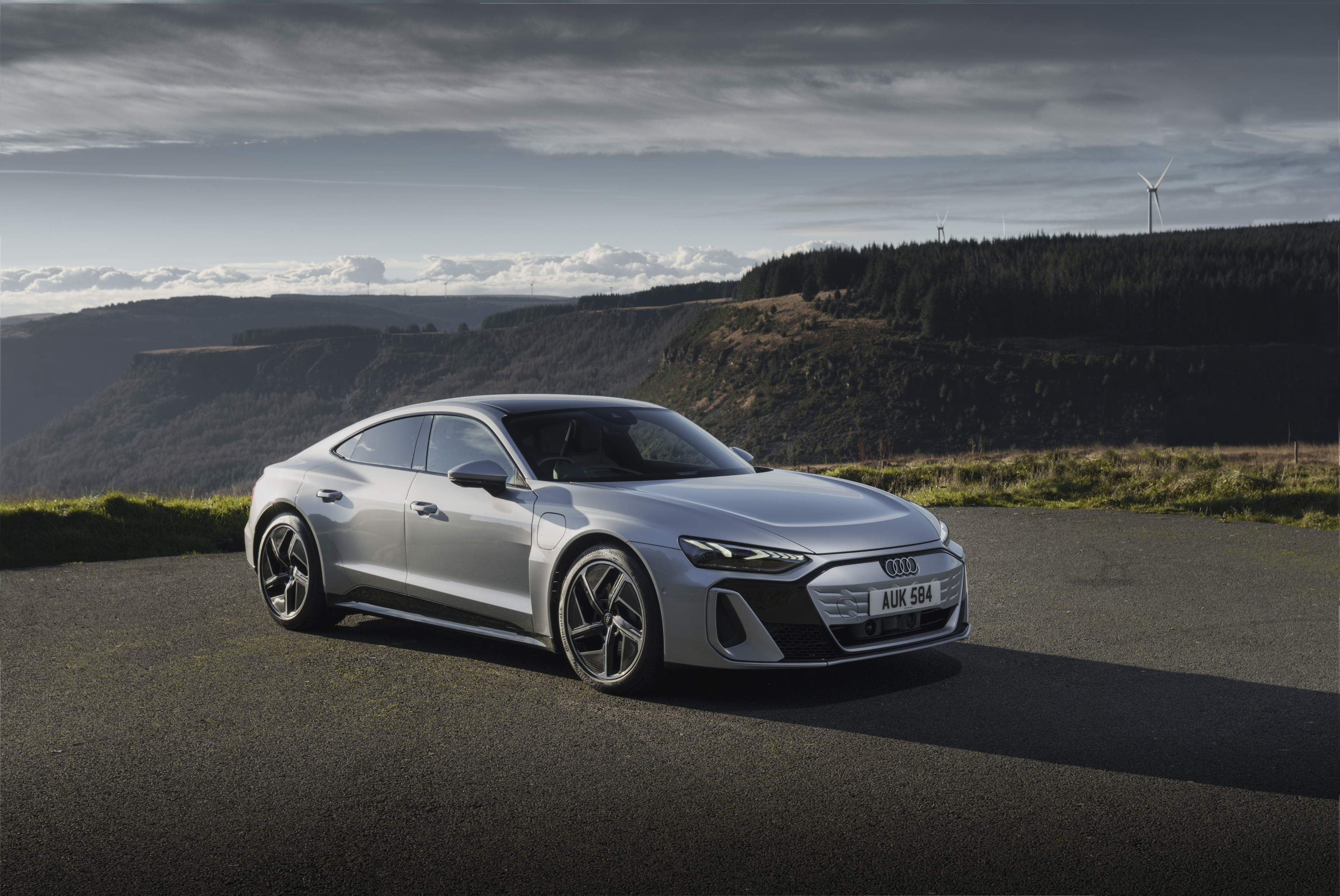
Audi e-tron GT Review
Read our expert Audi e-tron GT review. Discover performance, range, charging, practicality and whether an Audi e-tron GT lease is the right choice for you.
Customer Stories
We've helped over 1,000+ customers find their dream car, hear what they have to say.
Read more reviews“As usual, top class service. The team at Motorlet provided first class service from beginning to end with the friendly helpful expertise of Josh and Wendy. Will continue to use their services as I have done for the past six years...” Keep reading
Diane Parish | Audi Q5