







Car Insurance Groups Explained

If you are currently considering leasing a car and comparing models to find the best option, it can be easy to focus on the monthly lease price, fuel economy or technology, but there's another cost you shouldn't overlook, and that’s the cost of your insurance.
Every vehicle on UK roads needs insurance and is assigned an insurance group number when it is built. This number plays an important role in determining how much you'll pay for cover.
When you know how UK car insurance groups work, you can choose a vehicle that's both affordable to lease and cheaper to insure throughout your lease term. While a lower monthly payment may seem attractive, a car in a higher insurance group could result in significantly higher annual insurance costs, which will negate the low monthly payment!
Here we'll explain how car insurance groups work, what determines a vehicle's group number and how you can use this information to save money.
Car Insurance Groups at a Glance
| Insurance Group | Typical Vehicles | Insurance Cost |
|---|---|---|
| 1–10 | Small city cars and first cars | Lowest |
| 11–20 | Superminis and hatchbacks | Low |
| 21–30 | Family hatchbacks and saloons | Moderate |
| 31–40 | Premium SUVs and executive cars | Higher |
| 41–50 | Sports, luxury and high-performance vehicles | Highest |
Remember: A vehicle's insurance group is only one part of the pricing process. To find the best deal, always compare a personalised car insurance quote, as insurers also consider factors such as your age, postcode, driving history and annual mileage.
What Are Car Insurance Groups?
Car insurance groups are part of a vehicle risk rating system used by insurers to help calculate the cost of covering a particular vehicle.
Every new car sold in the UK is assigned an insurance group number between Group 1 and Group 50. In general, vehicles in lower group numbers are the least expensive to insure, while those in a higher insurance group usually attract higher premiums because they're considered more expensive or riskier to repair, replace or insure.
Just choosing a car with a lower group number does not necessarily mean cheaper insurance. The insurance group for your car is only part of what determines your policy's price. Insurance providers combine the vehicle's group with your personal circumstances to provide a car insurance quote.
For example, factors include:
Your age and driving experience.
Where you live.
Your occupation.
Annual mileage.
No claims bonus.
Previous claims or convictions.
Where the vehicle is parked overnight.
This means two people driving exactly the same car could receive very different insurance quotes.
For anyone leasing a car, checking the insurance group before placing an order can help avoid unexpected running costs. A slightly higher monthly lease payment for a lower-insurance-group vehicle could actually work out cheaper overall.
How Do Car Insurance Groups Work?
The process for determining a vehicle's insurance group is detailed and structured.
Before a new model goes on sale, it is assessed using a recognised vehicle risk rating system. Independent experts examine the car's characteristics before assigning it an appropriate insurance group.
This assessment is overseen by the Group Rating Panel, which uses technical data supplied by manufacturers and analysis carried out by Thatcham Research.
Rather than focusing on a single characteristic, car insurance groups consider a wide range of criteria to predict the overall cost and risk of insuring each model.
These factors include:
Vehicle value.
Repair costs.
Availability of replacement parts.
Repair times.
Performance.
Engine sizes.
Vehicle weight.
Theft risk.
Repair complexity.
Safety and security features.
Once these assessments have been completed, the vehicle receives an insurance group number between 1 and 50.
Cars that are inexpensive to repair, fitted with excellent safety and security features, and less likely to be stolen usually receive lower ratings.
Cars like the Kia Picanto, Volkswagen Polo and Skoda Fabia are all considered cheap insurance cars.
In comparison, expensive luxury vehicles, powerful cars, sports models and high-performance vehicles often fall into a higher insurance group, sometimes reaching Group 50.
Models from Jaguar, Porsche, and Tesla can often command higher premiums, depending on the model.
Who Decides a Car's Insurance Group?
Although insurance companies use the insurance group when calculating premiums, they don't decide the rating themselves.
Vehicle classifications are determined by the Group Rating Panel, an industry body supported by Thatcham Research, the UK's leading automotive risk intelligence organisation.
Thatcham Research conducts extensive assessments of new vehicles, analysing everything from repair complexity to vehicle security before making recommendations.
The Group Rating Panel then reviews this information and assigns each vehicle to one of the UK car insurance groups.
This independent process helps ensure vehicles are assessed consistently across the market.
It's important to remember that while insurers use these group numbers, every company has its own underwriting process. This is why insurance quotes can still vary considerably between providers for exactly the same vehicle.
How Are Car Insurance Groups Calculated?
Insurance groups are based on factors that affect both the likelihood of a claim and the potential cost of repairing or replacing the vehicle.
Some of the key considerations include:
Vehicle Value
Generally speaking, more expensive vehicles cost more to repair or replace after an accident.
Luxury models often contain specialist materials, advanced electronics and premium components, all of which increase repair costs.
Repair Costs
One of the biggest influences on an insurance group is how much it costs to repair the vehicle.
Cars with expensive body panels, specialist paint finishes, or complex technology may take longer to repair, increasing labour and replacement parts costs. For less popular models, such as some Chinese EVs entering the market, parts may take a while to source, which adds uncertainty about being able to fix them and can, in turn, increase insurance premiums.
Performance and Engine Size
Vehicles with larger engine sizes, greater acceleration and higher top speeds are often considered to present higher risks, simply because the faster the car can go, the longer it will take to stop! This is one reason powerful cars frequently appear in higher insurance groups.
But engine size alone doesn't determine the final rating. Modern turbocharged engines, hybrid systems and electric powertrains all contribute differently to a vehicle's overall risk assessment.
Safety and Security Features
Modern technology can positively impact insurance ratings.
Vehicles equipped with advanced safety and security features may present a lower risk of injury or theft.
Features such as:
Autonomous Emergency Braking (AEB).
Lane Keeping Assist.
Electronic Stability Control.
High-security alarms.
Immobilisers.
Tracking systems.
can all contribute towards improving a vehicle's overall risk profile. For example, autonomous emergency braking AEB can help prevent or reduce the severity of low-speed collisions, potentially lowering repair costs over the lifetime of the vehicle.
Rather than looking at one feature in isolation, insurers assess how all these characteristics combine to determine the most appropriate insurance group.
What Affects a Car's Insurance Group?
Although every vehicle receives an insurance group number, the final rating is based on a combination rather than a single feature. The vehicle risk rating system looks at how likely a car is to be involved in a claim and, just as importantly, how much that claim could cost.
The table below highlights some of the main factors that are included when determining a vehicle's insurance group.
| Factor | Why It Matters |
|---|---|
| Vehicle value | More expensive vehicles usually cost more to repair or replace. |
| Repair costs | Specialist parts and labour increase claim costs. |
| Engine sizes | Larger or more powerful engines can increase risk. |
| Performance | Faster acceleration and higher top speeds often place vehicles in a higher insurance group. |
| Vehicle security | Advanced alarms, immobilisers and trackers may reduce the risk of theft. |
| Safety and security features | Systems such as autonomous emergency braking (AEB) can reduce the likelihood or severity of accidents. |
| Theft risk | Frequently stolen vehicles may attract higher premiums. |
| Replacement parts | Expensive or difficult-to-source parts increase repair costs. |
| Repair time | Vehicles requiring specialist repairs may receive higher ratings. |
It's important to remember that while these factors influence a vehicle's insurance group number, your own circumstances will still affect the car insurance quote you receive.
Insurance Groups 1–50 Explained
Every vehicle sold in the UK is assigned one of the UK car insurance groups, ranging from Group 1 to Group 50.
Generally speaking, the higher the group number, the more expensive the vehicle is likely to be to insure. However, this shouldn't be viewed as a strict rule, as insurers also assess individual driver risk.
Groups 1–10: Lowest Insurance Groups
These are typically the cheapest to insure.
Cars in these groups are often:
Small city cars.
Economical hatchbacks.
Entry-level models.
Popular first cars.
They're usually inexpensive to repair, have smaller engine sizes, lower values and good fuel economy, a great choice for new motorists and those looking to save money.
Typical examples include:
Groups 11–20: Affordable Family Cars
These vehicles remain relatively affordable to insure while offering more space, comfort and equipment. Many popular hatchbacks and compact SUVs fall into this range.
Typical vehicles include:
Groups 21–30: Mid-Range Insurance Costs
Cars in these group numbers often include larger hatchbacks, family saloons and well-equipped SUVs.
They often feature more powerful engines, higher values and additional technology, all of which can influence insurance costs.
Examples include:
Groups 31–40: Premium and Executive Vehicles
As vehicles become more valuable and sophisticated, their insurance costs generally increase. Cars in these higher insurance groups often have larger engines, premium interiors and advanced driver assistance systems, all of which can make them more expensive to repair. Replacement parts may also cost more, particularly for executive saloons and premium SUVs where specialist components and technology are commonly used.
Groups 41–50: High-Performance and Luxury Cars
At the top of the scale is Group 50, which contains some of the most expensive vehicles to insure.
These are often high-performance cars with exceptional acceleration, advanced engineering and high replacement values.
Examples may include:
BMW M models
Audi RS models
Mercedes-AMG models
Because of their performance, repair costs, and theft risk, these vehicles are generally considered quite high risk, resulting in significantly higher insurance premiums.
Lowest Insurance Group Cars
If keeping running costs low is your priority, choosing a vehicle in a lower insurance group can make a noticeable difference.
Many of the cars in Groups 1 to 10 are both affordable to purchase or lease with lower insurance premiums, making them ideal for first-time drivers, students or families looking to save money.
Popular low-group vehicles include:
| Vehicle | Typical Insurance Group* |
|---|---|
| Hyundai i10 | 1–7 |
| Kia Picanto | 3–8 |
| Toyota Aygo X | 5–9 |
| Fiat Panda | 3–9 |
| Dacia Sandero | 8–12 |
| Volkswagen up! | 2–8 |
Before choosing any vehicle, it's always worth obtaining a personalised car insurance quote, as even different versions of the same model can fall into different insurance groups.
Do Electric Cars Have Higher Insurance Groups?
Some electric vehicles fall into higher insurance groups than equal petrol or diesel models because they can be more expensive to repair. The battery is usually the most valuable component, and damage following a collision may result in substantial repair or replacement costs. EVs can also require specially trained technicians and dedicated facilities to repair and service, which may increase labour charges.
Most EV models are fitted with advanced safety technology. Features like autonomous emergency braking, adaptive cruise control, lane-centre assistance, parking sensors and 360-degree cameras. Although these systems can and will help to keep you safe, they may also be costly to replace when damaged.
Performance can influence insurance groups too, as the instant torque delivered by some EVs provides rapid acceleration and places higher-powered models alongside other performance vehicles. Electric cars are not always expensive to insure, with more affordable options such as the Dacia Spring, Renault 5 E-Tech and selected MG models designed to offer lower purchase prices and more manageable running costs. Comparing the lease price with a personalised insurance quote before choosing a vehicle will provide a clearer picture of the total monthly cost.
Does Your Insurance Group Affect Your Premium?
Yes, but it's only one part of the calculation. Many drivers assume that choosing a car in a lower insurance group automatically guarantees cheaper insurance. While vehicles in lower group numbers are often cheaper to insure, insurers use a much broader assessment when calculating your premium.
Alongside your vehicle's insurance group number, your car insurance quote will also be influenced by plenty of other factors as listed below:
Your age and driving experience.
Your postcode.
Occupation.
Annual mileage.
No claims bonus.
Previous claims or convictions.
Where the vehicle is kept overnight.
The level of insurance cover you choose.
Voluntary excess.
For example, an experienced driver with a long no-claims history may receive a lower premium on a Group 25 vehicle than a newly qualified driver insuring a Group 8 car.
That's why it's always worth comparing personalised insurance quotes rather than relying solely on the vehicle's insurance group.
Can Modifications Affect Your Insurance?
Yes. Even relatively small modifications can increase your insurance costs because they may change the vehicle's performance, repair costs or theft risk.
Common modifications that may affect your premium include:
Alloy wheels.
Body kits.
Suspension upgrades.
Performance exhaust systems.
Engine remaps.
Window tinting.
Vehicle wraps.
Aftermarket lighting.
Some modifications can move a vehicle into a higher risk category in the eyes of insurers, even though the official insurance group number assigned by the Group Rating Panel doesn't change.
Leasing Considerations
If you're leasing a vehicle, modifications deserve even greater attention.
Most lease agreements prohibit permanent alterations without written permission from the finance company. This includes many cosmetic and performance upgrades.
If unauthorised modifications are discovered when the vehicle is returned, you could be asked to restore the car to its original condition or pay for any remedial work.
Before making any changes to a lease vehicle, always:
Check your lease agreement.
Contact the leasing company.
Inform your insurer.
This helps avoid unexpected costs at the end of your contract and ensures your insurance remains valid.
How to Choose a Car with Lower Insurance Costs
If you're trying to save money, there are several ways to reduce your insurance costs before you even request a car insurance quote.
Choose a Lower Insurance Group
Vehicles in lower UK car insurance groups generally cost less to insure because they're cheaper to repair and present lower overall risk.
Compare Insurance Before Ordering
If you're leasing a car, don't wait until after you've placed your order to check insurance prices.
Two vehicles with almost identical monthly lease payments can have very different insurance costs, so obtaining quotes beforehand gives you a clearer picture of the total cost of ownership.
Consider Engine Size Carefully
Larger engine sizes often increase performance, but they can also lead to higher insurance premiums. Choosing a smaller engine may offer an excellent balance between performance, fuel efficiency and affordability.
Look for Strong Safety Features
Vehicles equipped with modern safety and security features, including autonomous emergency braking (AEB), lane keeping assistance and advanced security systems, may present a lower level of risk.
Although these features don't automatically guarantee lower premiums, they can contribute to a more favourable overall assessment.
Avoid Unnecessary Modifications
Keeping your vehicle in its original factory specification is often the simplest way to avoid additional insurance costs, particularly if you're leasing.
Are Lower Insurance Groups Always Cheaper?
Not necessarily. Although lower group numbers often result in lower premiums, there are many situations where another vehicle in a higher group may actually cost less to insure.
For example:
An experienced driver with 15 years of no claims may receive a competitive premium on a family SUV in Group 28.
A newly qualified driver could pay considerably more to insure a small hatchback in Group 6.
As we have mentioned, car insurance groups are based on many other rating factors.
Similarly, a vehicle fitted with excellent safety and security features may sometimes receive more favourable quotes than an older model in a lower group that lacks modern driver assistance technology.
The best approach is to use insurance groups as a helpful guide rather than the only deciding factor.
Insurance Groups and Lease Cars
If you're leasing a car, comparing insurance costs before placing your order can help you save money over the lifetime of your agreement. A vehicle with a slightly higher monthly lease payment but a lower insurance premium may prove better value overall.
If you consider insurance groups alongside the running costs, reliability and practicality, you'll be in a much stronger position to choose a vehicle that suits both your lifestyle and your budget. If you want advice on car leasing and insurance, speak to the Motorlet team.
Frequently Asked Questions
What are car insurance groups?
Car insurance groups are part of a vehicle risk rating system that classifies cars into groups numbered 1 to 50. Insurers use these ratings, along with your personal circumstances, to calculate the cost of your policy.
What is the lowest insurance group?
Group 1 is generally the lowest insurance group and usually contains small city cars with modest engine sizes, lower repair costs and good safety ratings.
What is the highest insurance group?
Group 50 is the highest insurance group and typically includes luxury, sports and high performance vehicles that are expensive to repair or replace.
Who decides a car's insurance group?
Vehicle ratings are determined by the Group Rating Panel, using technical assessments carried out by Thatcham Research.
Can the same model have different insurance groups?
Yes. Different trim levels, engine sizes, transmissions and optional equipment can all result in different insurance group numbers.
Do electric cars have higher insurance groups?
Some do, but not all. Battery costs, specialist repairs and advanced technology can increase insurance groups, although many affordable EVs still sit within relatively low insurance groups.
Does autonomous emergency braking reduce insurance costs?
Features such as autonomous emergency braking (AEB) can improve a vehicle's safety profile and may influence its overall risk assessment. However, your premium is always based on multiple factors rather than one feature alone.
Are SUVs always more expensive to insure?
No. While some larger SUVs sit in a higher insurance group, many family SUVs with smaller engines are surprisingly affordable to insure.
Do modifications affect insurance groups?
The official insurance group usually stays the same, but modifications can increase the cost of your insurance because insurers may consider the vehicle to present higher risks.
Can I check a car's insurance group before leasing?
Absolutely. Checking a vehicle's insurance group before ordering is one of the easiest ways to understand its likely running costs and avoid unexpected insurance bills.
Can two drivers pay different premiums for the same car?
Yes. Even if two people drive the same vehicle, their car insurance quotes may differ depending on their age, postcode, driving history, mileage, and no-claims bonus.
Should insurance groups influence which lease car I choose?
They should certainly be one of your considerations. Comparing insurance groups alongside monthly lease costs, fuel or charging costs and servicing expenses gives you a much better understanding of the true cost of running a vehicle.
What's next?
Enjoyed this? Read our latest news
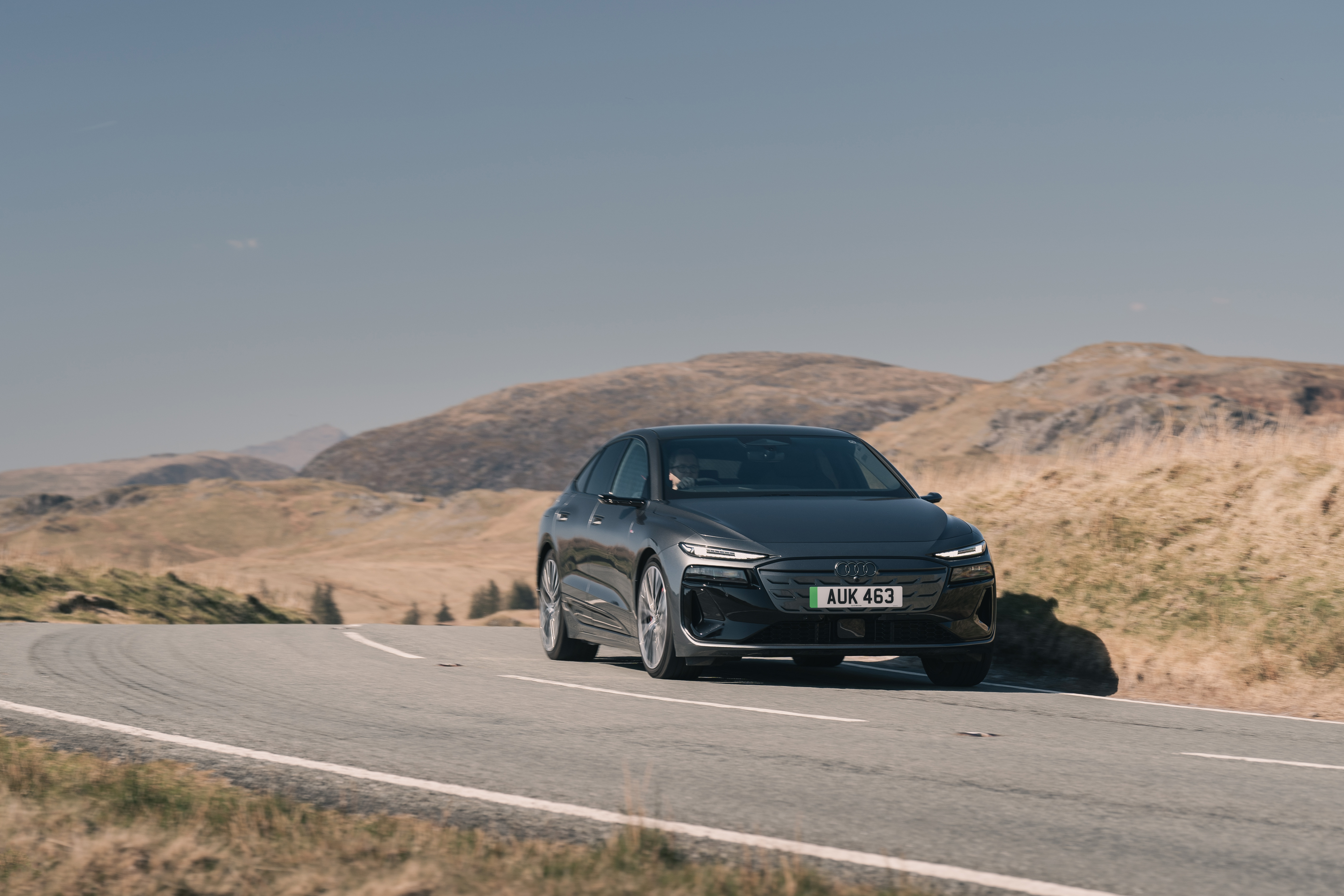
Audi Q6 e-tron Review
Read our expert Audi Q6 e-tron review. Discover range, charging, practicality, performance and whether an Audi Q6 e-tron lease is right for you.
Audi Q4 e-tron Review
Thinking about leasing an Audi Q4 e-tron? Our expert review covers driving performance, interior quality, range, charging, practicality and how it compares with its biggest rivals.
Audi e-tron GT Review
Read our expert Audi e-tron GT review. Discover performance, range, charging, practicality and whether an Audi e-tron GT lease is the right choice for you.
Customer Stories
We've helped over 1,000+ customers find their dream car, hear what they have to say.
Read more reviews“As usual, top class service. The team at Motorlet provided first class service from beginning to end with the friendly helpful expertise of Josh and Wendy. Will continue to use their services as I have done for the past six years...” Keep reading
Diane Parish | Audi Q5