






Car Boot Size Comparison: What Can You Actually Fit in the Back?
Need a big boot for family life, pets, or weekend gear? We’ve compared boot sizes across different car types to help you lease the right one.
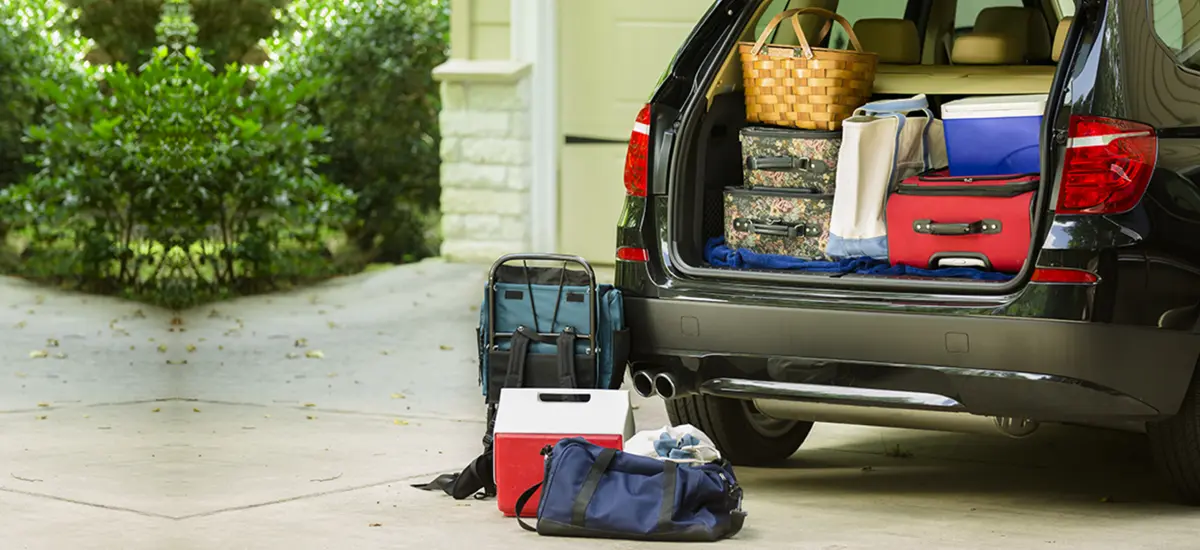
Manufacturers love quoting boot space in litres, and that’s really hard to picture. Looking at a car boot size comparison is one of the quickest ways to narrow down your next lease car, but the numbers don't always tell the full story.
A biggest car boot headline might sound impressive, but unless you know what 600 litres actually looks like, it's difficult to know whether it'll fit your weekly shop, the dog's crate or enough luggage for a family holiday. (Spoiler: it probably won't fit all three if you've also promised to bring the in-laws.)
That's why we've gone beyond a simple list of cars with the biggest boot space. We've compared some of the UK's most practical hatchbacks, SUVs, estates and EVs, then looked at what those figures really mean in everyday life. Because a wide, square boot that's easy to load is often far more useful than one that simply tops the specification sheet.
Car Boot Size Comparison
| Car | Body Style | Boot Capacity (Seats Up) | Best For |
|---|---|---|---|
| Volkswagen Golf | Hatchback | 381 litres | Couples, commuting and everyday practicality |
| Ford Focus | Hatchback | 375 litres | Small families and daily use |
| Renault Clio | Hatchback | 391 litres | Maximising space in a compact car |
| Hyundai i20 | Hatchback | 352 litres | City driving and weekly shopping |
| Kia Sportage | SUV | 591 litres | Families, pets and weekend trips |
| Hyundai Tucson | SUV | 615 litres | Family holidays and bulky luggage |
| Volkswagen Tiguan | SUV | 652 litres | Pushchairs, sports gear and everyday family life |
| Skoda Karoq | SUV | 585 litres | Flexible family use and shopping |
| Skoda Superb Estate | Estate | 690 litres | Maximum luggage space and long-distance travel |
| Mercedes E-Class Estate | Estate | 615 litres | High-end practicality and frequent travellers |
| Ford Focus Estate | Estate | 575 litres | Growing families and outdoor hobbies |
| BMW 5 Series Touring | Estate | 570 litres | Business users who need extra cargo space |
| Tesla Model Y | Electric SUV | 854 litres | Families wanting class-leading EV practicality |
| Skoda Enyaq | Electric SUV | 585 litres | Everyday family use with electric efficiency |
| Volkswagen ID.4 | Electric SUV | 543 litres | Comfortable family driving and holidays |
| Kia EV6 | Electric Crossover | 490 litres | Drivers wanting an electric car without sacrificing practicality |
Quick answer: If a car has 500 litres or more of boot space, you're firmly into "that's going to swallow pretty much everything" territory. Estate cars still lead the way for outright biggest car boot size, but many modern SUVs also offer huge boots, whilst some cleverly designed hatchbacks punch well above their weight.
What is Considered a Big Car Boot?
If you're upgrading from a supermini, a 400-litre boot will probably feel enormous. If you've been wrestling a double buggy into the back of the family car every weekend, you'll likely be looking for something much bigger.
As a rough guide, here's what you can expect:
Under 350 litres: Plenty for everyday errands and commuting, but you'll soon notice the limits when it's time to pack for a holiday or do the weekly shop for a family of four.
350–500 litres: The sweet spot for many drivers. There's enough room for luggage, shopping and the occasional IKEA impulse buy without moving into a much larger car.
500–650 litres: This is where you'll find most family SUVs and estate cars. If you regularly travel with children, dogs or sports equipment, this is the sort of space you'll appreciate.
650 litres and above: Welcome to cavernous territory. These are the cars that swallow holiday luggage, camping gear and the contents of a garden centre without much complaint.
That said, don't get too hung up on the numbers. A car boot size comparison is useful for narrowing down your options, but litres only tell part of the story. We've driven cars with smaller boots that were far easier to live with than supposedly bigger rivals, simply because the space was better designed.
A wide opening, flat floor and square load area can make loading everything from suitcases to dog crates far less frustrating. On the flip side, a high loading lip or awkward wheel arches can turn an impressive-looking specification into a game of luggage Tetris.
That's why the biggest car boot isn't always the most practical one. Before you decide between the cars with the biggest boot space, it's worth looking at how that space is laid out as well as how much of it there is.
Why Boot Capacity Doesn't Tell the Whole Story
It's easy to assume the car with the biggest boot wins. After all, 620 litres must be better than 580 litres... right? Not always.
Think of it like moving house. Ten small boxes can be far more awkward than six big ones, even if they hold exactly the same amount. Car boot size works in much the same way. It's not just about how much space you have, but how easy that space is to use.
That's why a car boot size comparison should be your starting point, not your final decision.
Boot Shape Matters
Ever tried fitting a large suitcase into a car boot that looked huge on paper, only to discover the wheel arches have other ideas? A boot with a wide opening, flat floor and square shape is much easier to live with than one that narrows towards the back or has awkward corners. That's especially true if you're loading a pushchair, dog crate or anything that doesn't squash into shape.
This is one reason estate cars remain the kings of practicality. Their long, rectangular car boot size makes it much easier to use every litre of space, while many SUVs trade a little usability for their higher driving position and styling.
Loading Height and Boot Opening
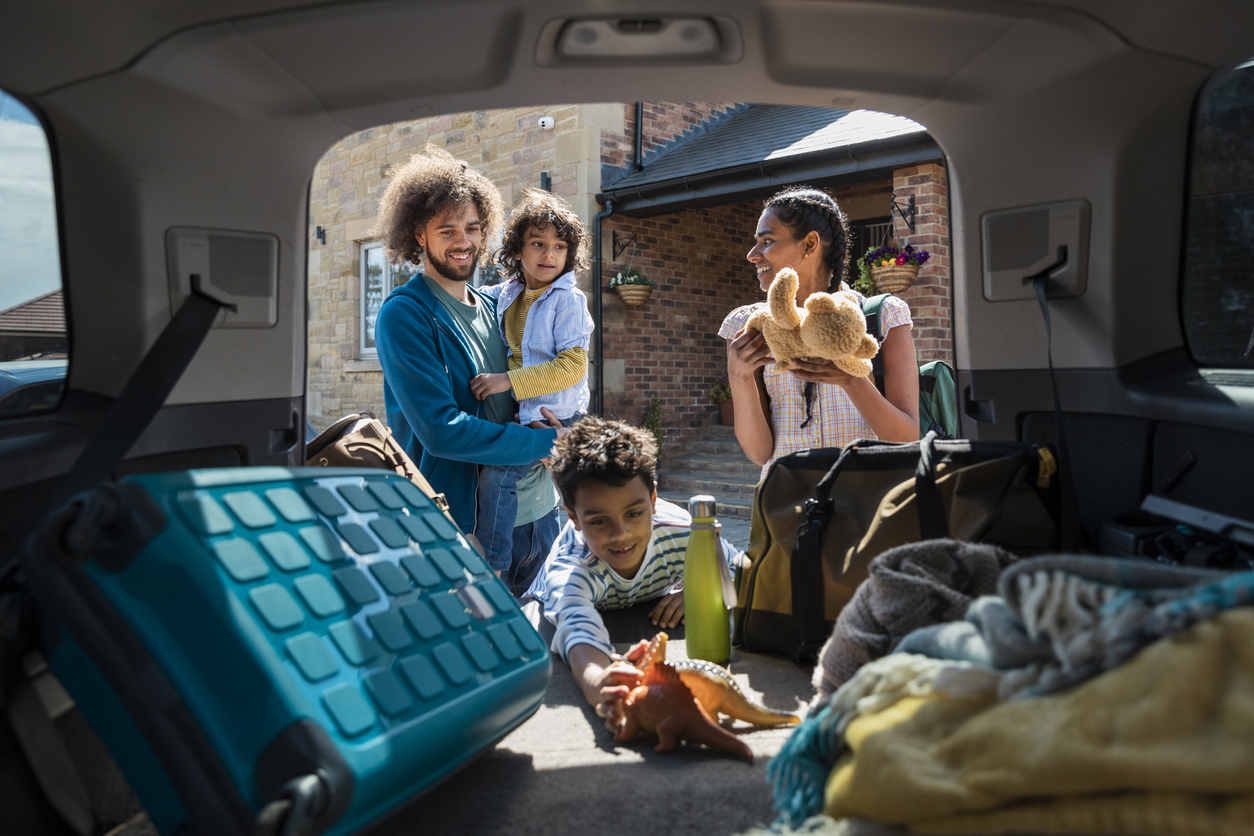
Capacity tells you how much fits inside. It doesn't tell you how much effort it takes to get it there. A low loading lip makes lifting heavy suitcases, shopping or a folded pushchair much easier. Likewise, a wide tailgate means you're less likely to find yourself twisting a suitcase at odd angles just to squeeze it through the opening.
If you're regularly carrying bikes, camping equipment or mobility aids, these little details quickly become big ones.
Seats Up vs Seats Folded
When car manufacturers quote a boot capacity, they're almost always measuring it with the rear seats in place. That's useful because it reflects how you'll use the car most of the time.
Fold those seats down, though, and the story changes completely. Suddenly there's room for flat-pack furniture, DIY supplies, bikes or enough luggage for a family holiday that somehow lasted three days but required everyone to pack for three weeks.
If you only need maximum space occasionally, compare both figures before making a decision. You might discover a smaller car is far more versatile than you first thought.
At the end of the day, the cars with the biggest boot space aren't always the easiest to live with. A well-designed boot that's simple to load often beats a larger one with awkward angles and wasted space. Sometimes it's the details, not the headline litre figure, that you'll appreciate every time you open the tailgate.
Car Boot Size Comparison by Vehicle Type
There's no single winner when it comes to boot space. The biggest car boot for a family might not be the best choice for someone who spends most of their time driving around town, and a huge estate isn't much use if you only ever carry a couple of shopping bags. Here's how the main body styles compare.
SUVs: Practical Space for Everyday Family Life
It's easy to see why SUVs have become Britain's default family car. They sit higher off the ground, are easy to get in and out of and usually offer enough luggage space to cope with everything family life throws at them.
Hyundai Tucson (615 litres)
Volkswagen Tiguan (652 litres)
Kia Sportage (591 litres)
All of these cars have plenty of room for pushchairs, football boots, holiday luggage and the inevitable collection of reusable shopping bags that somehow multiply in the boot.
If you're considering an EV for its car boot size, there's good news too. The Tesla Model Y boasts a huge 854-litre boot, whilst the Škoda Enyaq (585 litres) and Volkswagen ID.4 (543 litres) show that switching to electric doesn't mean giving up practicality.
Choose an SUV if: you want one car that can handle the school run on Monday and a week in Cornwall on Saturday.
Estate Cars: Maximum Boot Space
SUVs might grab the headlines, but if you're judging purely on luggage space, estate cars are still incredibly difficult to beat.
Because they're longer and lower than SUVs, estates tend to have flatter floors and fewer awkward corners, making them much easier to load. That matters more than you might think when you're wrestling a flat-pack wardrobe or an overexcited Labrador into the back.
The Škoda Superb Estate (690 litres)
Mercedes-Benz E-Class Estate (615 litres)
Ford Focus Estate (575 litres)
BMW 5 Series Touring (570 litres)
Choose an estate if: you regularly carry bulky loads and care more about usable space than sitting a few inches higher.
Hatchbacks: Surprisingly Spacious
Modern hatchbacks have become remarkably good at squeezing every last litre out of their dimensions. The Renault Clio (391 litres) actually offers more boot space than some older family hatchbacks, whereas the Volkswagen Golf (381 litres) and Ford Focus (375 litres) remain excellent all-rounders.
Will they swallow four suitcases and a Labrador? Probably not. Will they comfortably handle the weekly shop, a couple of cabin cases and everyday family life? Absolutely. For plenty of drivers, that's all the practicality they'll ever need.
Choose a hatchback if: you mostly drive around town but still want enough car boot space for weekends away and everyday life.
Quick Comparison
| Body Style | Typical Boot Capacity | Ideal For |
|---|---|---|
| Hatchback | 350–400 litres | Everyday driving, commuting and smaller households |
| SUV | 540–620+ litres | Families, holidays, pets and outdoor activities |
| Estate | 570–660+ litres | Maximum luggage space, long journeys and bulky cargo |
If you're only looking at litres, estate cars usually come out on top. SUVs are the better all-rounders, combining generous boot space with family-friendly practicality, while hatchbacks deliver more luggage room than most people expect without taking up extra space on the road.
The best choice comes down to what you're actually carrying. A family of five packing for a holiday has very different needs to someone who just wants enough room for a golf bag and the weekly shop. That's why a car boot size comparison is useful, but thinking about how you'll use that space is what really helps you choose the right car.
Real-World Boot Space: What Can You Actually Fit?
Let's be real, most of us have no idea what 591 litres looks like. Manufacturers measure boot space using carefully stacked blocks. Most drivers measure it by asking, "Will the pushchair fit?" or "Can we get everyone's suitcases in without putting one on the back seat?"
That's why we've translated the numbers into something a bit more useful. The guide below gives you a rough idea of what different boot sizes can cope with in everyday life.
| Boot Capacity | What It Can Usually Fit |
|---|---|
| 300–350 litres | Weekly shopping, a couple of cabin suitcases or a folded buggy |
| 350–450 litres | A large pushchair, several shopping bags and a couple of medium suitcases |
| 500–600 litres | Four large suitcases, golf clubs, camping gear or a dog crate with extra luggage |
| 600–700 litres | Family holiday luggage, double pushchairs, sports equipment and bulky shopping |
| 700+ litres | Large dog crates, bicycles (with wheels removed), flat-pack furniture or everything needed for an extended family trip |
Of course, what fits also depends on the shape of the boot. A square, flat load area is usually much easier to pack efficiently than a narrow or shallow boot, even if both cars have a similar official capacity.
For example:
Families may need space for a pushchair, changing bag, shopping and children's bikes all at once.
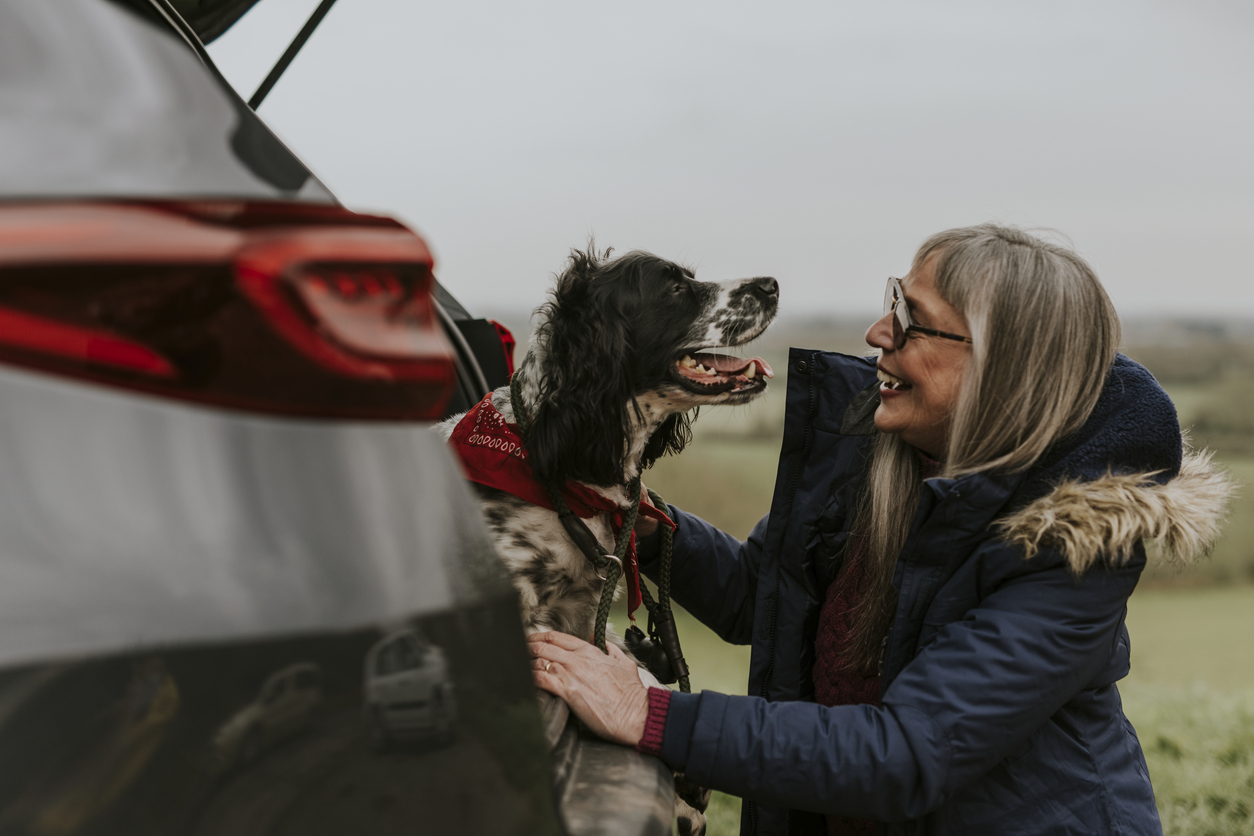
Dog owners should consider whether there's enough width and height for a safety dog crate, not just enough litres on paper.
Frequent travellers will appreciate being able to fit several large suitcases without stacking luggage above the parcel shelf.
Outdoor enthusiasts may want room for camping equipment, hiking gear, golf clubs or sports bags without folding the rear seats.
It's easy to get caught up chasing the biggest number, but that's rarely what makes a car practical. Choose a car boot that suits your everyday life and you'll appreciate it every time you load it, not just when you're comparing specifications online.
The Best Cars with Big Boots
If you've made it this far, you've probably realised there isn't one "best" boot. It depends on whether you're packing for family holidays, ferrying muddy dogs around at the weekend or just want enough room for the weekly shop without playing a game of Tetris.
These are the stand-out spacious cars from our car boot size comparison, each excelling in a slightly different way.
Tesla Model Y: Best Overall for Boot Space
Boot space: 854 litres
If outright car boot capacity is all that matters, the Tesla Model Y is difficult to ignore. Its enormous boot comfortably swallows holiday luggage, pushchairs and sports equipment, and the additional front boot gives you somewhere to stash charging cables or muddy walking boots. It's one of the few cars where you'll probably run out of things to pack before you run out of space.
Škoda Superb Estate: Best Estate Car
Boot space: 690 litres
The Superb Estate has quietly built a reputation as one of Britain's most practical family cars, and one look in the boot explains why.
The load area is long, wide and almost perfectly square, making it far easier to use than many SUVs with similar capacities. Whether you're loading bikes, flat-pack furniture or enough luggage for two weeks in France, it simply gets on with the job.
Hyundai Tucson: The Family Favourite
Boot space: 615 litres
Not everyone wants an estate, which is where the Hyundai Tucson shines. Its boot is comfortably large enough for everyday family life without making the car feel intimidating to drive. Pushchairs, shopping, holiday luggage and the odd scooter all fit without much planning, making it one of the easiest recommendations on this list.
Volkswagen Tiguan: The Safe Bet
Boot space: 652 litres
If there were an award for "does everything well", the Tiguan would probably win it. There's plenty of luggage space, the cabin is roomy and it's equally happy on the school run or a motorway road trip. It's the sort of car you buy because you don't want any unpleasant surprises.
Kia Sportage: Great Value for Families
Boot space: 591 litres
The Sportage offers almost as much luggage space as larger, more expensive SUVs while remaining competitively priced. It's particularly well suited to families who need room for everyday life without stretching the budget.
How to Choose the Right Boot Size for Your Lifestyle
There's no point paying for a huge car boot if the biggest thing you ever carry is the weekly shop, just as a tiny hatchback can quickly feel cramped once children, dogs or holiday luggage enter the picture. The trick is choosing a car that suits the way you actually use it—not the once-a-year trip to IKEA.
For Families
Children have a remarkable talent for needing more stuff than seems physically possible. One minute it's a pushchair and changing bag. Before long you're loading scooters, football kits, school bags and enough snacks to survive a cross-country expedition.
That's where larger SUVs like the Volkswagen Tiguan and Hyundai Tucson come into their own. If you regularly travel with plenty of luggage, an estate such as the Škoda Superb Estate gives you even more car boot space without feeling cumbersome to drive.
For Dog Owners
Anyone who's travelled with a dog knows they rarely travel light. There's the dog itself, of course, followed by the crate, blanket, lead, food, water bowl and the tennis ball that somehow ends up under the driver's seat.
Instead of focusing purely on litres, look for a wide, square boot with a low loading lip. It'll make life much easier if your dog jumps in and out regularly, and there's usually more room left over for shopping or holiday luggage.
For Frequent Travellers
Packing for a weekend away somehow turns into packing for six months. If you're regularly heading to the airport or setting off on road trips, a boot with 500 litres or more will save you a lot of frustration. There's room for several large suitcases without building a precarious tower of luggage that blocks the rear window.
For Active Lifestyles
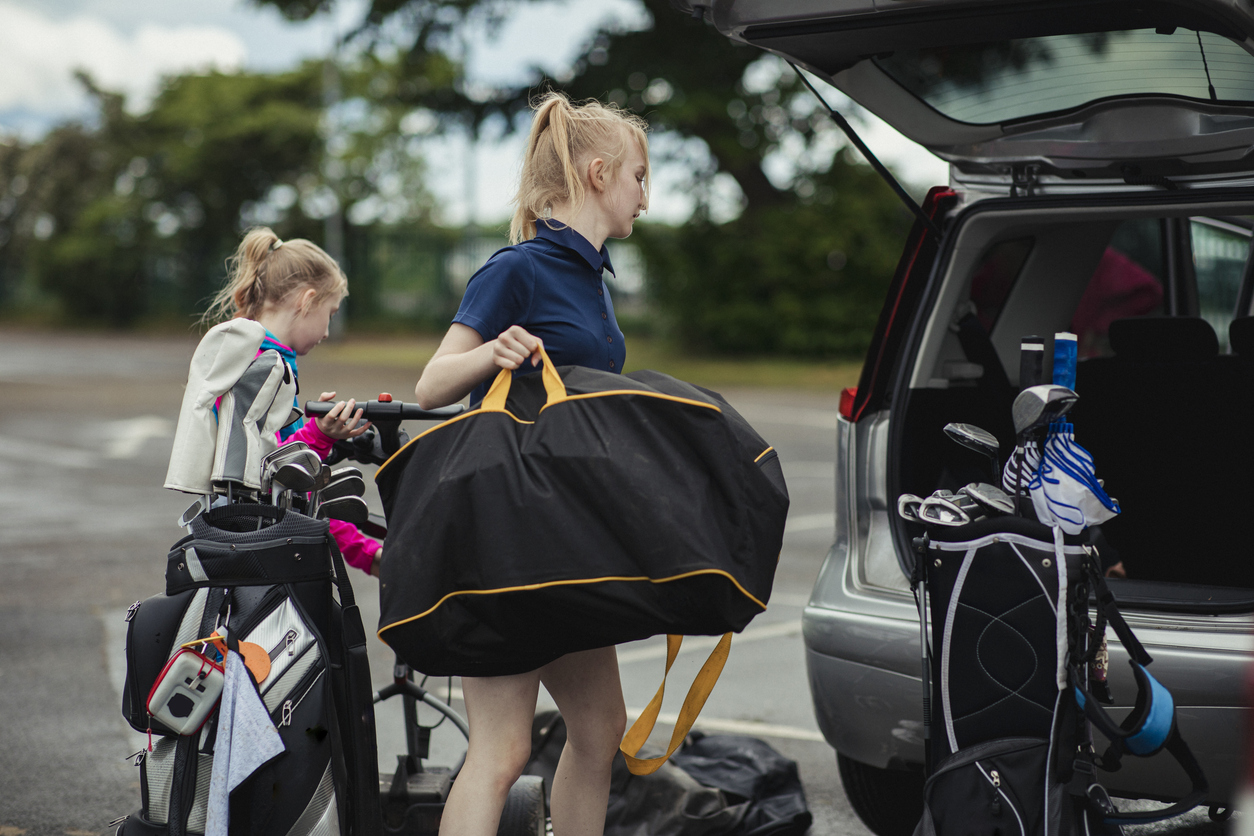
Not everyone needs room for a buggy. Maybe it's golf clubs, camping gear, photography equipment or the inevitable flat-pack furniture that wouldn't quite fit in your current car.
If that's you, pay just as much attention to the shape of the boot as the capacity. A flat floor, wide opening and folding rear seats will often prove more useful than an extra 50 litres on the spec sheet.
Find a Lease Car That Fits Your Life
One of the biggest advantages of leasing is that your car can change as your life does. Whether you're welcoming a new addition to the family, need more room for weekend adventures or simply want to upgrade to a newer model, you're not committed to the same car boot size for years.
At Motorlet, you can compare lease deals on spacious hatchbacks, family-friendly SUVs, practical estates and electric cars with some of the biggest boot space available. That means you can choose a car that suits the way you live today, then switch to something different when your needs change.
Ready to find your next lease car? Browse our latest lease deals and compare models with the biggest boots to discover a car that's ready for everything from the school run to the family holiday.
Frequently Asked Questions
What is considered a large car boot?
As a rule of thumb, anything over 500 litres counts as a large boot. That's the sort of space you'll find in many family SUVs and estate cars, giving you enough room for pushchairs, holiday luggage, the weekly shop and all the bits that seem to come with family life. If you're mostly commuting or running errands, a hatchback with 350–400 litres is often more than enough.
Which car has the biggest boot?
Of the vehicles in our car boot comparison, the Tesla Model Y comes out on top with a huge 854-litre boot. If you'd rather stick with a petrol or diesel model, the Škoda Superb Estate is hard to beat, offering an impressive 690 litres of luggage space and one of the most practical load areas in its class.
Are estate cars bigger than SUVs?
Usually, yes, but not always. Estate cars often have longer, flatter boots, which makes them easier to pack efficiently than many SUVs. That's why cars like the Škoda Superb Estate remain favourites with families despite the popularity of SUVs. That said, larger SUVs such as the Volkswagen Tiguan and Hyundai Tucson aren't far behind and offer the bonus of a higher driving position.
Is a 400-litre boot big enough for a family?
For many families, yes. Around 400 litres is usually enough for everyday life, including shopping, a pushchair and a couple of suitcases. If you've got multiple children, a large dog or regularly pack for long weekends away, you'll probably appreciate the extra breathing room that comes with a 500-litre-plus boot.
How are car boot sizes measured?
Most manufacturers use the VDA standard, which measures a boot by filling it with uniform blocks and calculating the total volume in litres. It makes comparing cars much easier, although it doesn't tell you everything. A wide, square boot can often feel far more practical than a larger one with awkward angles or a narrow opening.
Should I choose an SUV or an estate car for the biggest boot?
If maximum luggage space is your only priority, an estate usually comes out on top. If you'd rather have a higher driving position and easier access, an SUV is often the better all-round choice. Neither is objectively better, it depends on what you're loading and how you use the car from day to day.
Is leasing a car with a large boot a good idea?
If your current car is starting to feel cramped, leasing can be a simple way to upgrade without committing to ownership. Whether you need more space for a growing family or regular road trips, leasing gives you access to the latest SUVs, estates and electric cars for a fixed monthly payment. When your needs change, you can simply choose a different model at the end of your lease.
What's next?
Enjoyed this? Read our latest news
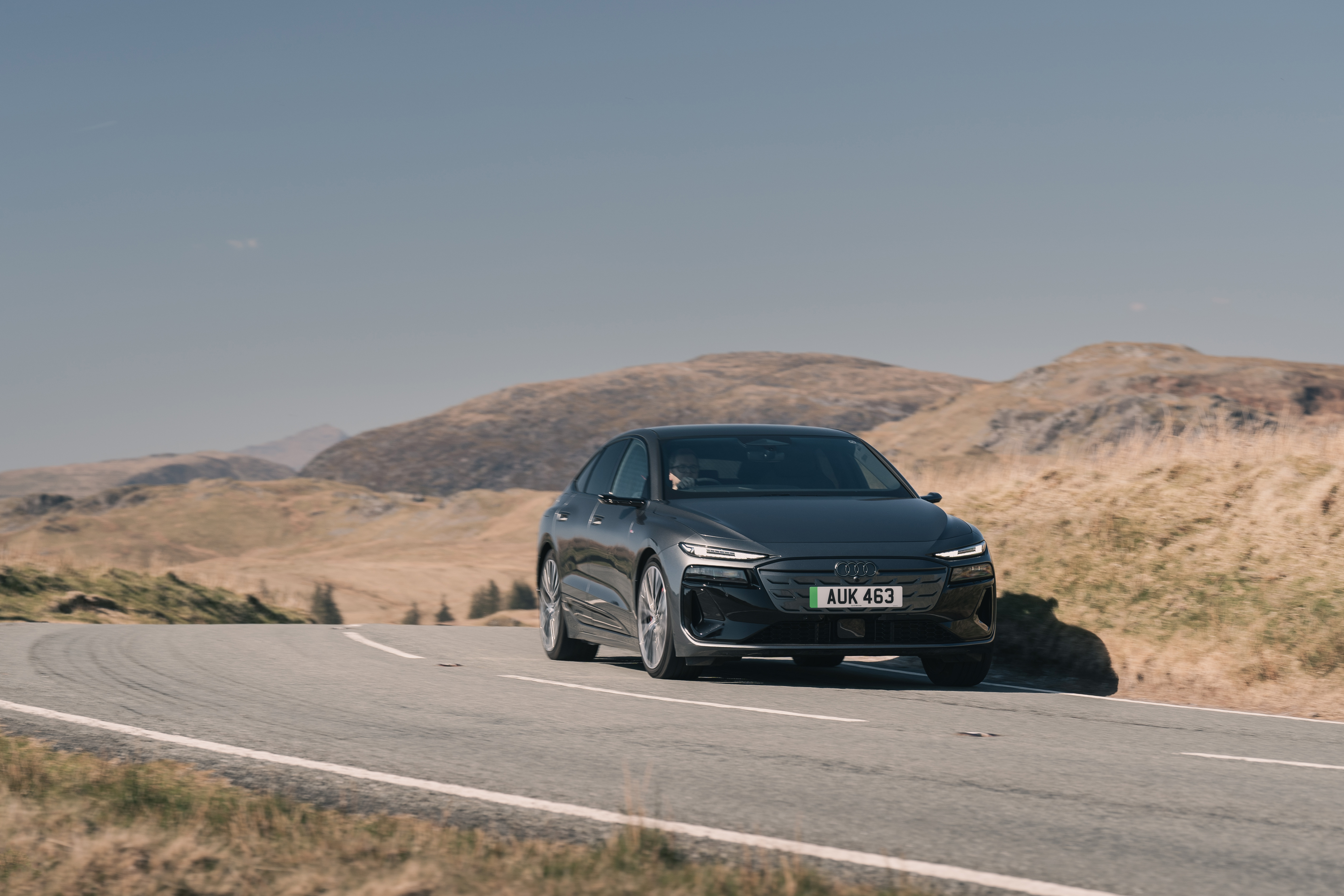
Audi Q6 e-tron Review
Read our expert Audi Q6 e-tron review. Discover range, charging, practicality, performance and whether an Audi Q6 e-tron lease is right for you.
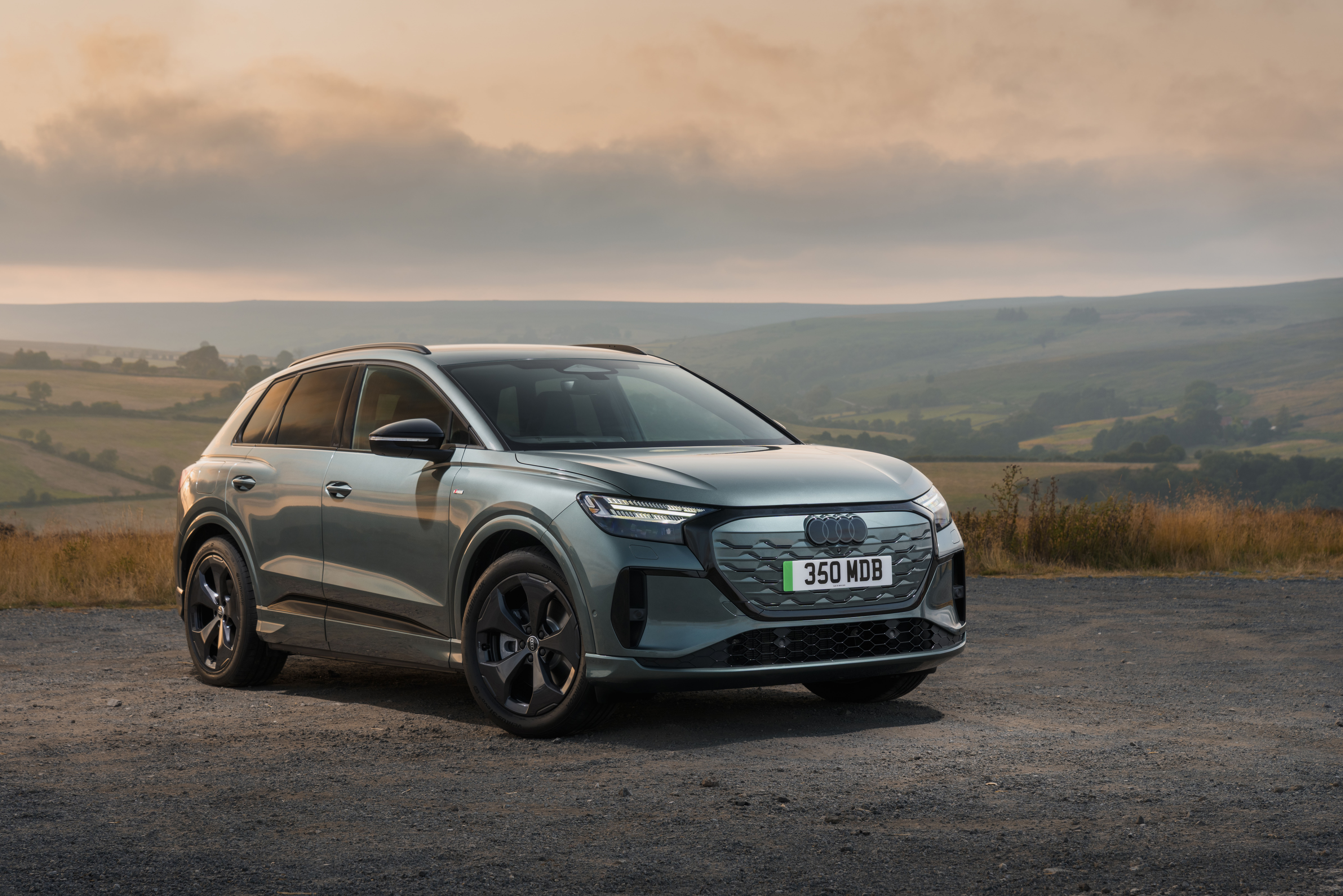
Audi Q4 e-tron Review
Thinking about leasing an Audi Q4 e-tron? Our expert review covers driving performance, interior quality, range, charging, practicality and how it compares with its biggest rivals.
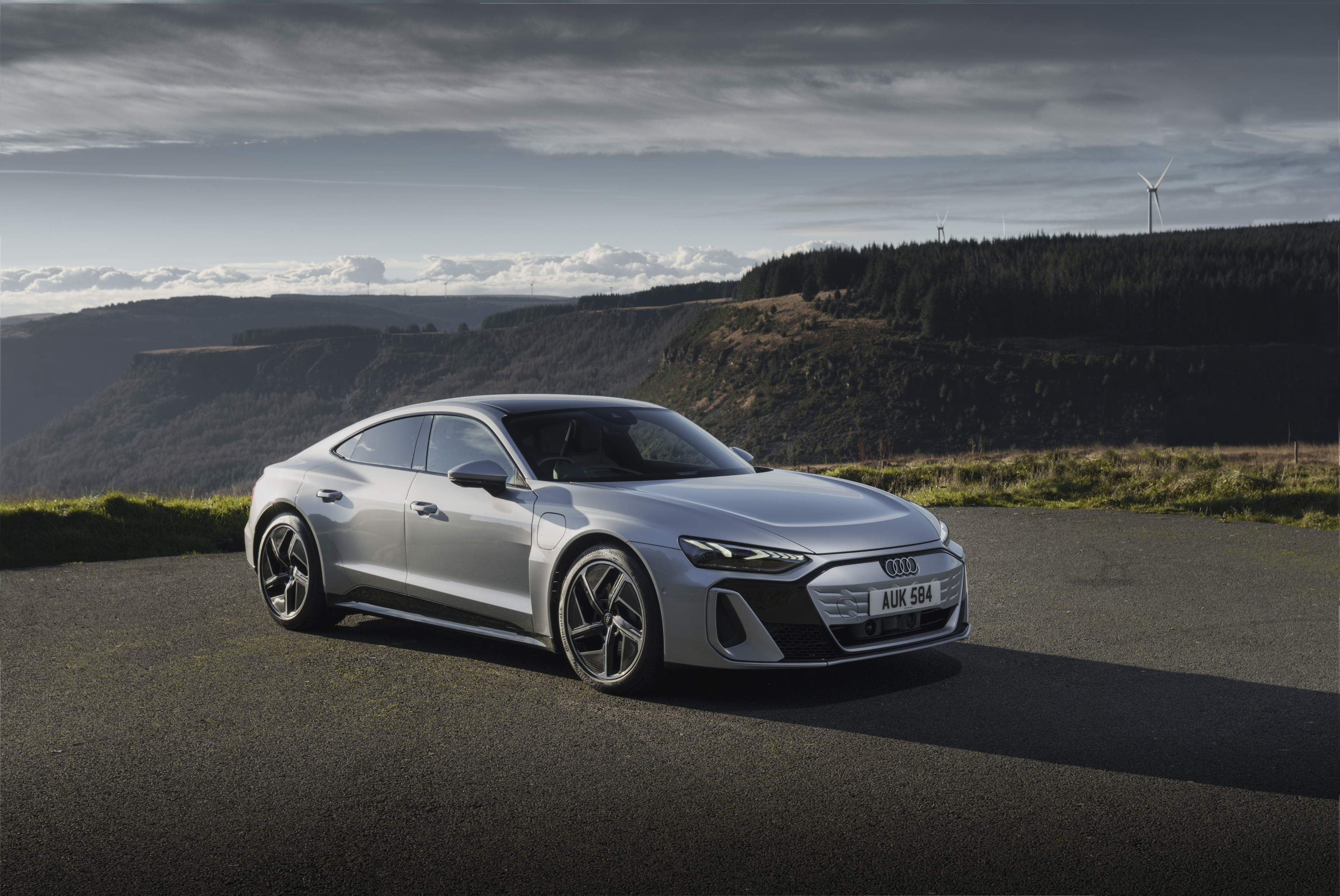
Audi e-tron GT Review
Read our expert Audi e-tron GT review. Discover performance, range, charging, practicality and whether an Audi e-tron GT lease is the right choice for you.
Customer Stories
We've helped over 1,000+ customers find their dream car, hear what they have to say.
Read more reviews“As usual, top class service. The team at Motorlet provided first class service from beginning to end with the friendly helpful expertise of Josh and Wendy. Will continue to use their services as I have done for the past six years...” Keep reading
Diane Parish | Audi Q5