







Car Rental vs Car Leasing
Which Is The Best Option?

Car rental and car leasing can often be confused as the same thing if you don’t have the details. Both mean driving a car without ownership, but that’s where the similarity ends. The terms, costs and suitable situations are very different.
You could be looking for a short-term solution for a few days, or a longer-term option with predictable monthly payments. Understanding the difference between car rental and vehicle leasing can help you make a more cost-effective decision.
Let's break it all down in simple terms, so you can choose the right option for your needs.
What Is Car Rental?
Car rental (often referred to as car hire in the UK) is designed for short-term use. You can typically rent a car for anything from a day or week to a few months, depending on the provider.
When you use rental companies, the process is straightforward:
You choose a vehicle
Agree to a rental agreement
Pay a fee based on how long you need the car
Return the car at the end of the rental period
This makes car rental a flexible option for people who need a vehicle temporarily, for holidays or commuting.
Key features of car rental:
Ideal for short term use
Available immediately
No long term commitment
Maintenance often included
Insurance options typically available
When does car rental make sense?
Car rental is typically the best option when you only need a vehicle for a short term, whether that’s a day or week, particularly if you’re travelling, on holiday, or your own car is temporarily unavailable. It offers the flexibility to get on the road quickly without being tied into a long term commitment or formal contract. For many drivers, long term rentals can also serve as a useful stopgap, helping to bridge the gap while waiting for a new vehicle or navigating a change in circumstances.
What Is Car Leasing?

Leasing a car is a longer-term solution in which you pay a fixed monthly fee to drive a vehicle for an agreed period, usually 2 to 4 years.
When you enter a leasing agreement, you’re essentially paying for the use of the car over time rather than owning it outright. At the end of the contract, you typically return the car to the leasing company.
Key features of car leasing:
Fixed monthly payments
Contract length usually 24–48 months
Brand new vehicles
Often covered by manufacturer warranty
Set mileage limits
No ownership at the end (in most cases)
When does leasing make sense?
Leasing is ideal if:
You need a car for the longer term
You want predictable monthly payments
You prefer driving a new car every few years
You don’t want the hassle of ownership or depreciation
Key Differences Between Car Rental and Leasing
Understanding the core differences is where things become clearer. While both options give you access to a vehicle, they serve very different purposes.
| Feature | Car Rental | Leasing a Car |
|---|---|---|
| Contract Length | Flexible, from a day or week to a few months | Fixed longer-term commitment, typically several years |
| Flexibility | Highly flexible, change vehicles easily, extend or end usage quickly | Less flexible, tied into a leasing agreement |
| Costs | Higher daily or weekly cost, but no long-term obligation | Lower monthly fee, but requires a long-term commitment |
| Maintenance and Running Costs | Often included through rental companies | Maintenance may be separate, but warranty usually covers major issues |
| Mileage | Typically flexible, depending on the provider | Mileage limits, with charges if exceeded |
| End of Agreement | Simply return the car | Return the car at the end of the leasing agreement or explore end-of-contract options, depending on the agreement |
Pros and Cons of Car Rental
One of the biggest advantages of car rental is flexibility. Unlike leasing, you are not tied into a long-term contract, making it much easier to adapt if your circumstances or driving needs change. Car rental can be ideal for short-term use, whether you need a vehicle for a few days, weeks or months, and most rental companies also handle maintenance and servicing as part of the agreement. Another benefit is the wide range of vehicles available, allowing drivers to choose models that suit their needs. However, that flexibility often comes at a higher cost over time. While renting can work well for temporary use, it is generally less cost-effective than leasing for extended periods, and vehicle availability can vary with demand.
Pros and Cons of Leasing a Car
For many drivers, leasing offers a more structured and cost-effective way to access a new car without the large upfront expense associated with buying a vehicle outright. Leasing typically provides predictable monthly payments, making budgeting easier, while also giving drivers access to newer vehicles with the latest technology and safety features. In many cases, leasing can be more affordable over the long term than continually replacing owned vehicles. However, leasing does come with certain restrictions. Most agreements require a long-term commitment and include set mileage limits, with additional charges applying if those limits are exceeded. Drivers may also incur costs for damage beyond fair wear and tear, and early lease termination may result in early termination fees.
When Should You Rent a Car?
There are many situations where renting a car is the more practical choice, particularly when flexibility is important. Car rental is often ideal if you only need a vehicle for a short-term period, want the freedom to change vehicles easily, or do not want to commit to a long-term leasing agreement. It can also be a better option if your circumstances are likely to change in the near future. For example, if you are travelling, working away on a temporary contract, relocating, or simply waiting for a new car to arrive, car hire can offer a simple, convenient short-term solution without the long-term commitment associated with leasing.
When Should You Lease a Car?
On the other hand, leasing a car often makes more sense when your driving needs are consistent over a longer period. Leasing can be a good option if you need a vehicle for everyday use, want fixed monthly payments that make budgeting easier, and value stability and predictability in your motoring costs. It also suits drivers who are comfortable committing to a longer-term agreement in exchange for access to a newer vehicle. For many commuters, families and regular drivers, leasing strikes a practical balance between affordability, convenience and the ability to drive a modern car without the large upfront costs associated with buying outright.
Which is More Cost-Effective?

This is one of the most common questions when comparing car rental and vehicle leasing, and the answer largely depends on how long you need the vehicle for. For short-term requirements, car rental is usually the more practical option. Although the daily or weekly cost may be higher, you benefit from maximum flexibility and avoid being tied into a long-term contract. However, for ongoing or everyday use, leasing a car is generally the more cost-effective solution. Lower monthly payments help spread the cost over a longer period, often making leasing more affordable than relying on repeated rentals.
The bottom line is that car rental tends to work best for short-term needs, while vehicle leasing is usually better suited to longer-term use.
Car Rental vs Leasing for Businesses
Businesses often use both car rental and vehicle leasing, depending on their operational needs and the duration of vehicle use. Car rental is ideal for temporary staff, short-term projects, seasonal demand or situations where flexibility is essential. It allows businesses to scale vehicle usage up or down quickly without committing to long-term agreements. Leasing, on the other hand, is usually better suited to company cars and long-term fleet planning, where predictable costs and consistency are important. With fixed monthly payments, leasing can provide better cost stability and help businesses manage budgets more effectively, while rental solutions offer the flexibility to respond quickly when requirements change.
What About Long Term Rentals?
There’s also a middle ground worth mentioning: long-term rentals.
Some rental companies offer extended rental options that last several months. These can be useful if you want flexibility but need a vehicle for more than a few weeks.
However, while convenient, they’re often less cost-effective than leasing over the same period.
Rental vs Leasing
Choosing between car rental and car leasing comes down to one key factor: time.
If you need a vehicle for a short term, want flexibility, and don’t want to commit, car hire is probably a better option for you.
If you’re looking for a longer-term solution with predictable monthly payments, and you’re comfortable with a leasing agreement, then vehicle leasing is likely the more cost-effective option.

Exploring Your Options
If you’re considering leasing a car, it’s worth exploring our latest deals to find something that fits your budget and lifestyle. With a wide range of vehicles available and flexible options to suit different needs, leasing remains one of the most popular ways to get on the road without the upfront cost of buying.
Take your time, compare your options, and choose the route that works best for how you drive.
Frequently Asked Questions
Is it better to rent or lease a car?
It depends on your situation. Car rental is better for short term flexibility, while leasing a car is more suitable for the longer term with lower monthly payments.
Can you lease a car short term?
Most leasing agreements require a long term commitment, typically 2–4 years. Shorter options are limited.
Do rentals include insurance?
Many rental companies offer insurance as part of the rental agreement, although this can vary.
What happens at the end of a lease?
At the end of a leasing agreement, you usually return the car to the leasing company.
Can you end a lease early?
Yes, but this often involves early termination fees, which can make it expensive.
What's next?
Enjoyed this? Read our latest news
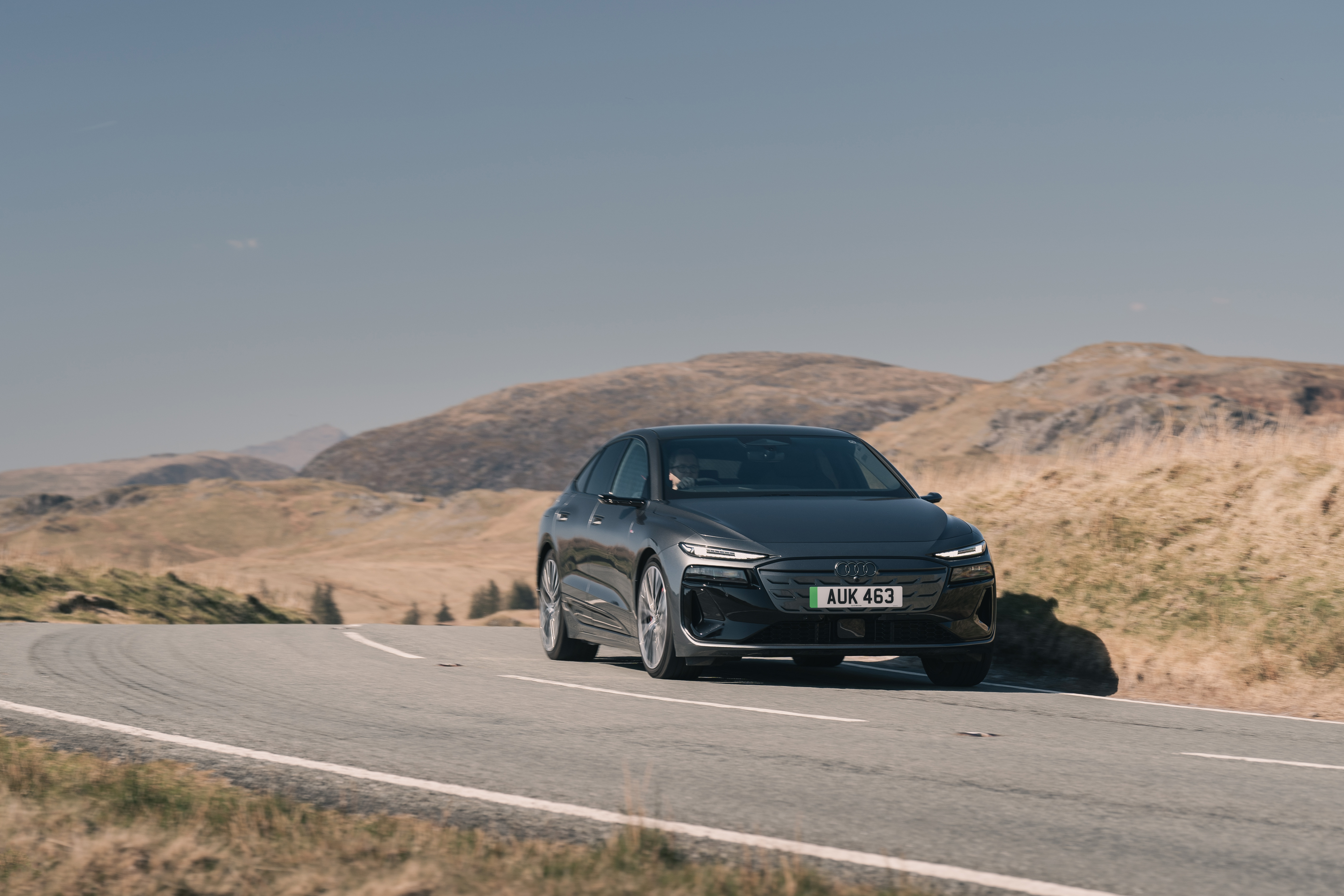
Audi Q6 e-tron Review
Read our expert Audi Q6 e-tron review. Discover range, charging, practicality, performance and whether an Audi Q6 e-tron lease is right for you.
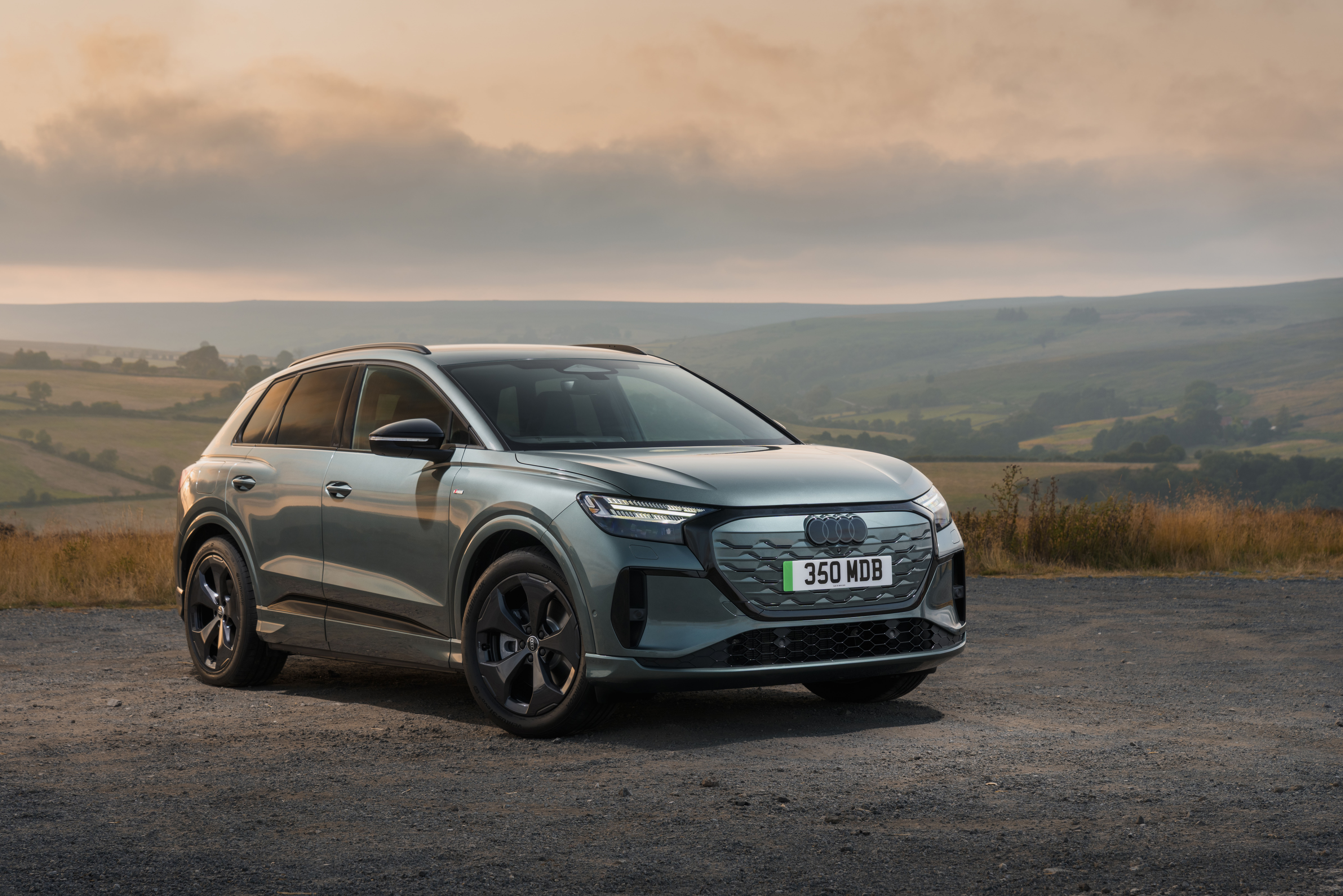
Audi Q4 e-tron Review
Thinking about leasing an Audi Q4 e-tron? Our expert review covers driving performance, interior quality, range, charging, practicality and how it compares with its biggest rivals.
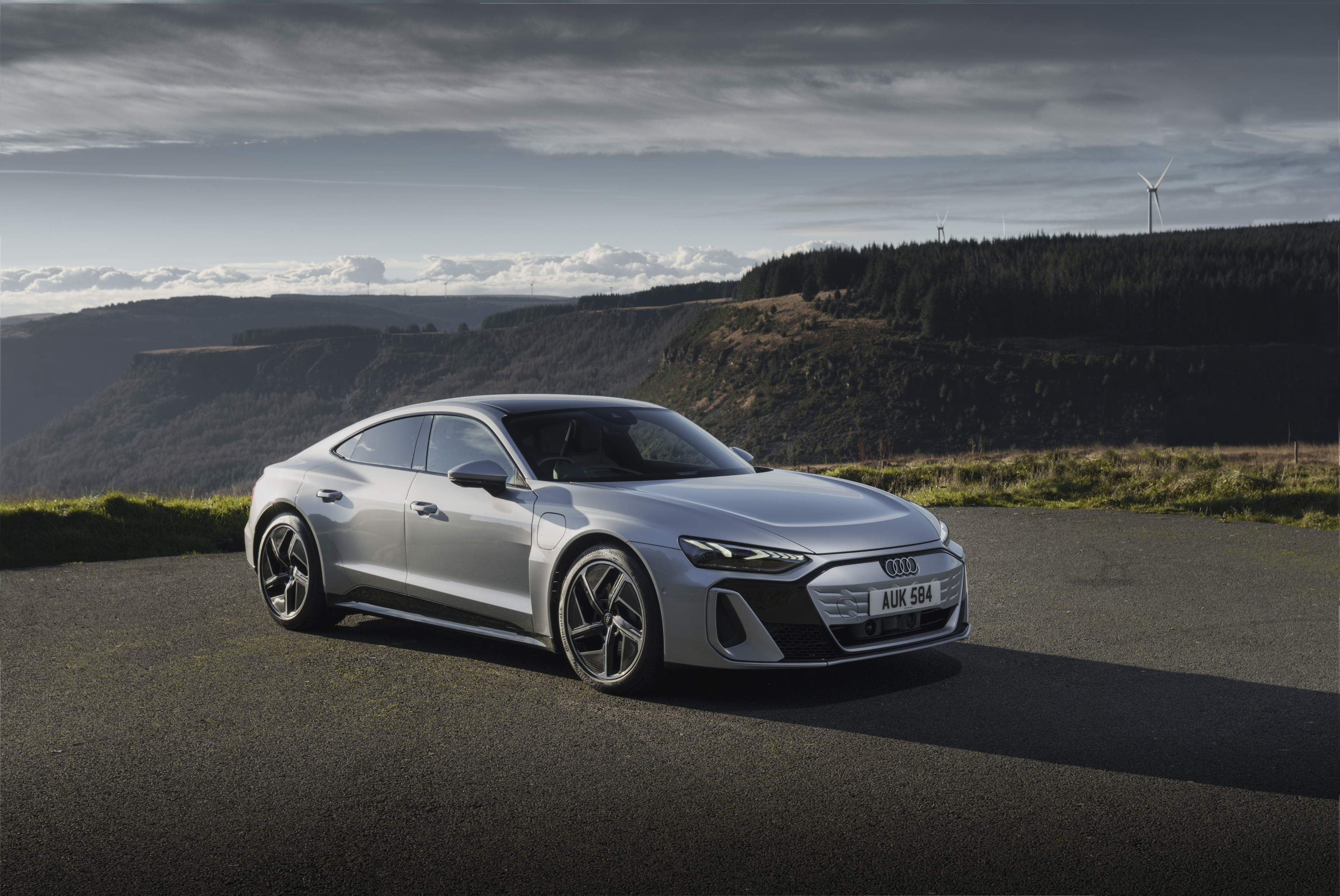
Audi e-tron GT Review
Read our expert Audi e-tron GT review. Discover performance, range, charging, practicality and whether an Audi e-tron GT lease is the right choice for you.
Customer Stories
We've helped over 1,000+ customers find their dream car, hear what they have to say.
Read more reviews“As usual, top class service. The team at Motorlet provided first class service from beginning to end with the friendly helpful expertise of Josh and Wendy. Will continue to use their services as I have done for the past six years...” Keep reading
Diane Parish | Audi Q5