






Do You Have to Report Damage to a Leased Car?
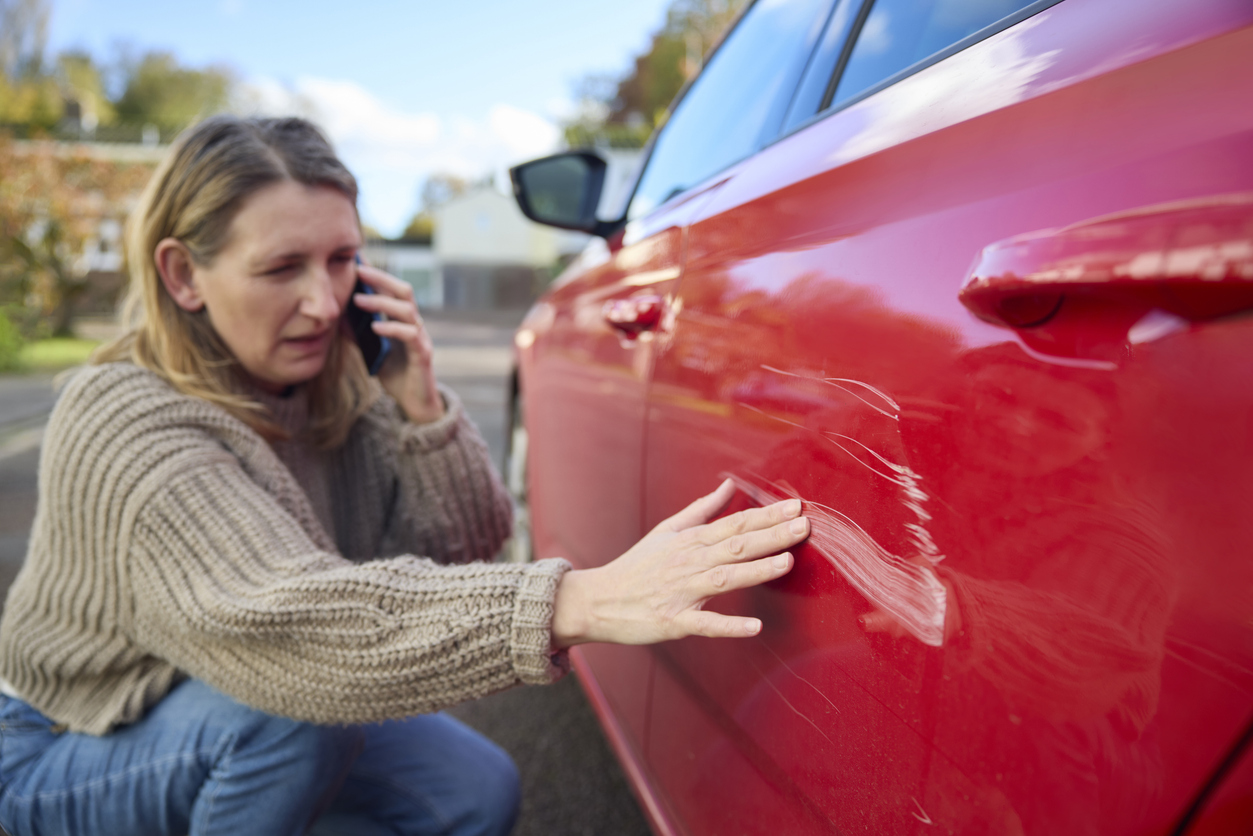
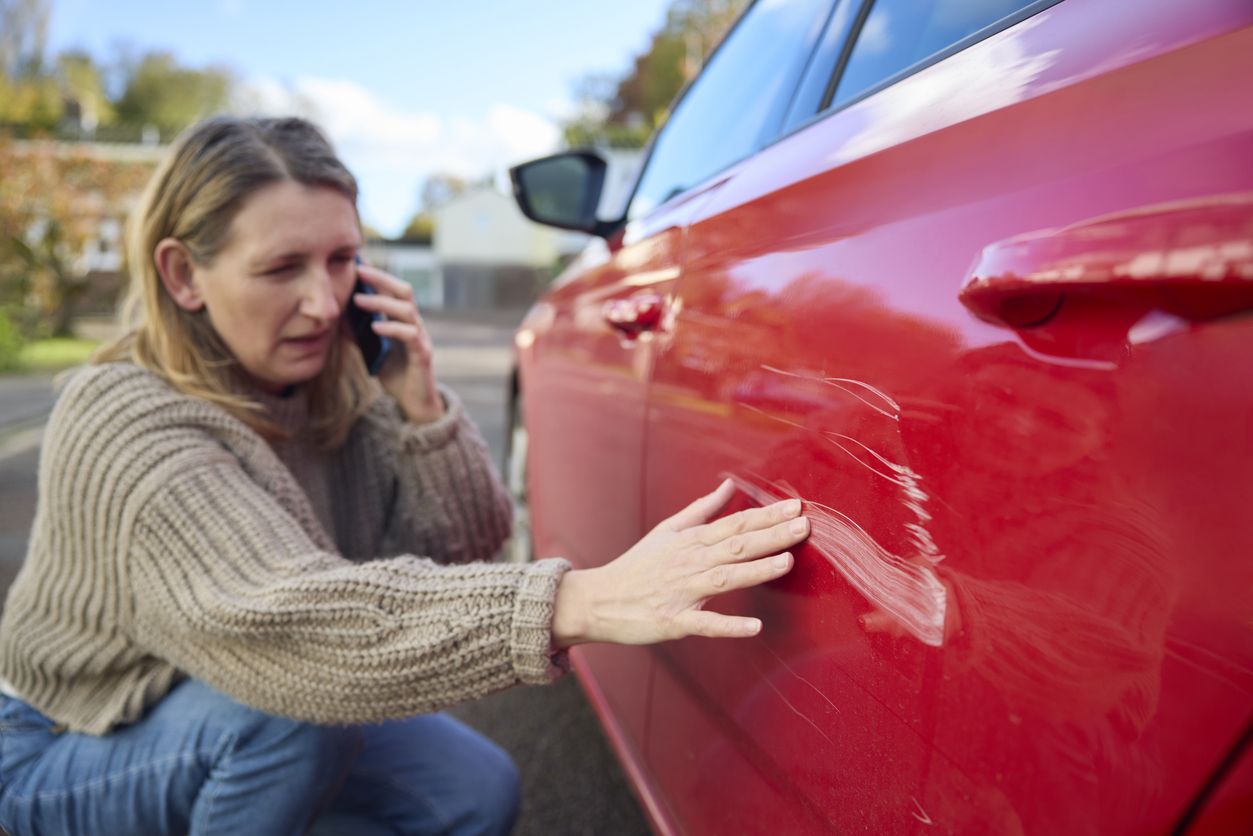
If you are considering leasing a car or already leasing one, it's important to know what to do in the event of an accident.
It could be a minor scratch, a dent in the door, or a more serious accident; many drivers aren’t sure what they’re actually required to do. Should you report it, and to whom? Can you fix the damage yourself? And what happens when it comes to returning the vehicle?
In most cases, yes, you should report damage to your leased vehicle, particularly if it goes beyond fair wear and tear. But like most things with a lease agreement, the details matter. Understanding what counts as reportable damage, when to involve your insurance company, and how to properly manage leased-car damage can save you from unexpected lease charges later on.
Do You Need to Report Damage to a Leased Car?
It's usually the case that your lease agreement will require you to report any significant damage to your lease vehicle. This is because the leasing provider owns the car, meaning they have a vested interest in maintaining its condition and value.
Throughout typical lease durations, it's expected that minor scratches and scrapes will happen. This is known as acceptable wear and tear and does not always need to be formally reported. However, any more serious issues, such as sizeable dents, cracks, or mechanical problems, should be addressed as soon as possible.
It’s also important to remember that if the damage results from being involved in an accident, you will usually be required to notify your insurance company as part of your policy terms. Failing to do so could invalidate your cover, which can create far bigger problems than the damage itself. If you are even in doubt, its best to let all parties know.
What Counts as Damage on a Lease Car?
As we have already mentioned, not all damage is treated equally when returning a lease car. The industry uses clear standards to separate acceptable use or fair wear and tear, from chargeable damage, typically based on the guidelines set by the BVRLA.
Fair wear and tear refers to the minor deterioration you would expect from normal use of a vehicle over time. If you are using a car day in day out for 4 years, it's obviously not going to stay in pristine condition after that time, and it wouldn’t be an enjoyable experience to maintain that either.
This includes things like small stone chips, light surface scratches, or minor interior wear.
As long as the condition of the car falls within these wear and tear guidelines, you shouldn’t face additional damage charges when returning the vehicle.
What Is Considered Excess Damage?
Anything not outlined as normal use is classed as excess damage, and this is where costs can quickly add up. Examples include:
Deep scratches or dents
Cracked bumpers or mirrors
Significant alloy wheel damage
Interior tears, burns, or stains
If your car has damage that exceeds acceptable standards, you’ll likely face lease charges at the end of your contract, if they have not been rectified by an approved third party beforehand. When you take out a lease, the details of fair wear and tear should be made available to you. You can also contact your leasing provider throughout your contract for these details.
What Happens If You Don’t Report Damage?
It might be tempting to ignore minor issues, after all, fixing car issues can be costly, but if you ignore damage which needs to be repaired until you hand the car back, it can result in even larger bills come the end of your lease.
If damage is discovered when returning a leased car, the leasing provider will assess it against official standards. If it falls outside acceptable limits, you’ll be billed for the cost of repairs, often at a higher rate than if you had addressed it earlier.
There’s also the risk of breaching your lease agreement, particularly if the damage should have been reported at the time it occurred. In more serious cases, failing to notify your insurance company after being involved in an accident could invalidate your coverage entirely.
In short, unreported damage rarely saves money; it usually increases your final bill.
What Should You Do If Your Lease Car Is Damaged?
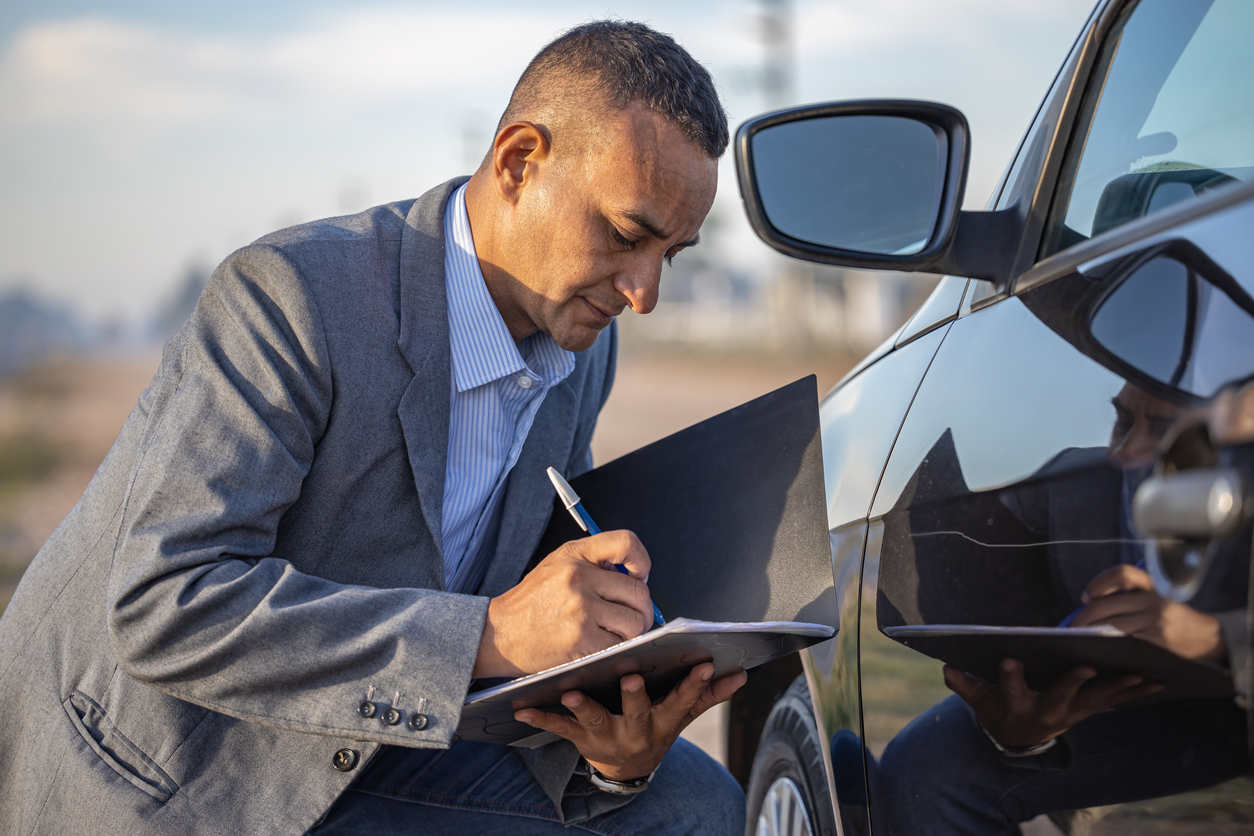
For the reasons outlined above, if you notice damage to your leased vehicle or cause damage to it, acting quickly is the best approach.
Start by assessing the severity of the issue. If it’s clearly beyond minor wear, the next step is to contact your leasing company and review the terms of your lease agreement. They can advise on whether the damage needs to be formally reported and what your next steps should be.
If the damage is linked to an accident, you should also inform your insurance company as soon as possible. They will guide you through the claims process and arrange repairs if needed.
In many cases, you’ll be able to repair any damage before the end of your lease. Using a reputable garage, ideally one approved by your leasing provider or assessed by a qualified engineer, ensures the work meets the required standard. This is another point to consider when repairing a lease car, if the repair is not approved, you could find yourself having to pay to rectify to the standard expected, and nobody wants to pay to repair a problem twice.
Taking early action gives you more control over the process, puts all the information at your fingertips, and can significantly reduce the overall cost of repairs.
What Happens If You’re Involved in an Accident?
Being involved in an accident is always stressful. Once the dust has settled and you and all parties are safe and well, it can then seem like another headache if you then need to start contacting leasing providers. While driving a leased car can feel more complicated than with an owned vehicle, the process is largely the same.
You’ll need to:
Notify your insurance company
Inform your leasing provider
Follow the correct claims and repair process
Your insurance will typically cover the repair work, although you will still need to pay any excess. If the vehicle is written off, the situation becomes slightly more complex.
GAP Insurance and Lease Protection
If your leased car is declared a total loss, your insurer will usually pay out the market value of the car at the time of the incident. However, this may not cover the remaining balance on your lease.
This is where gap insurance can be valuable. It covers the difference between the insurer’s payout and the amount still owed on the lease, protecting you from unexpected financial shortfalls.
Can You Repair Damage Before Returning a Lease Car?
Yes, you can, and in many cases, it’s the most cost-effective option.
If you’re aware of lease car damage before the end of your contract, choosing to repair any damage yourself can help you avoid inflated damage charges from the leasing provider.
However, the quality of the repair is crucial. Work must meet industry standards and align with wear and tear guidelines, otherwise the damage could still be flagged during inspection.
Using a trusted garage or a qualified engineer ensures the repairs are completed to an acceptable level. While this involves an upfront cost, it’s often significantly lower than the charges applied at the end of the lease.
What to Expect at an End of Lease Inspection
When it comes to returning a lease car, the vehicle will go through a formal inspection process, carried out by a qualified assessor from the leasing company.
This assessment checks:
Exterior condition
Interior condition
Mileage
Overall compliance with wear and tear guidelines
Any damage to a leased vehicle that falls outside acceptable standards will result in damage charges. These are typically itemised, giving you a breakdown of the required repairs and associated costs.
Understanding this process in advance helps you prepare and avoid surprises when returning the vehicle.
Who Pays for Damage on a Lease Car?
Ultimately, responsibility for damage to your leased vehicle sits with the leaseholder.
If the damage is covered by insurance, the insurance company will handle the repair costs, minus any excess. However, for damage not covered by your policy, or for minor issues you choose not to claim, the cost is your responsibility.
This is why it’s important to manage lease car damage proactively. Whether through insurance claims or arranging repairs yourself, addressing issues early can reduce your financial exposure.
How to Avoid Damage Charges When Returning a Lease Car
While some level of wear is inevitable, there are practical steps you can take to minimise lease charges at the end of your agreement.
Regular cleaning and maintenance help preserve the car's condition, while careful driving and parking can reduce the risk of dents and scratches. It’s also worth keeping a record of the vehicle’s condition, including photos. This provides useful evidence if there are any disputes during the return process.

Managing Lease Car Damage the Right Way
Dealing with damage to a leased vehicle doesn’t have to be stressful, but it does require the right approach. Minor wear is expected. We will outline it to you when you take out your lease, so you will know what will and won’t be chargeable at inspection. Anything beyond standard use should be taken seriously, both to stay within the terms of your lease agreement and to avoid unnecessary lease charges.
Reporting damage when required, working with your insurance company, and choosing to repair any damage early where appropriate can all help you stay in control of costs. And when it comes to returning the vehicle, being prepared makes the process far smoother.
If you’re unsure what to do next, the best first step is always to contact your leasing company. A quick conversation can give you clarity, protect your position, and help you avoid paying more than you need to.
What's next?
Enjoyed this? Read our latest news

Audi Q6 e-tron Review
Read our expert Audi Q6 e-tron review. Discover range, charging, practicality, performance and whether an Audi Q6 e-tron lease is right for you.

Audi Q4 e-tron Review
Thinking about leasing an Audi Q4 e-tron? Our expert review covers driving performance, interior quality, range, charging, practicality and how it compares with its biggest rivals.

Audi e-tron GT Review
Read our expert Audi e-tron GT review. Discover performance, range, charging, practicality and whether an Audi e-tron GT lease is the right choice for you.
Customer Stories
We've helped over 1,000+ customers find their dream car, hear what they have to say.
Read more reviews“As usual, top class service. The team at Motorlet provided first class service from beginning to end with the friendly helpful expertise of Josh and Wendy. Will continue to use their services as I have done for the past six years...” Keep reading
Diane Parish | Audi Q5