






Which Is Right for You? Estate vs Hatchback
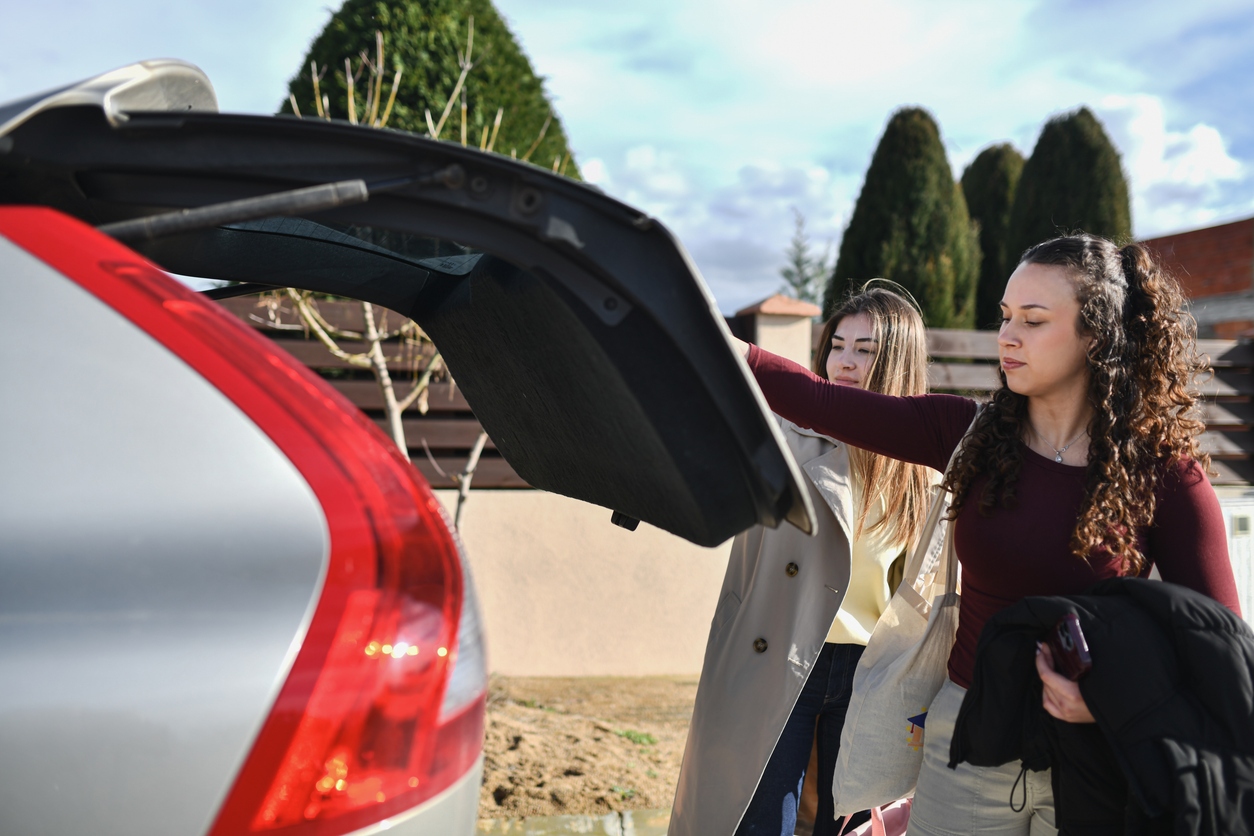
Choosing between an estate car and a hatchback is a common decision when looking for a practical everyday vehicle. Both body styles are extremely popular in the UK and offer different advantages depending on your lifestyle, driving habits and storage requirements.
For some, a compact hatchback offers the ideal balance of fuel economy, ease of parking and everyday practicality. For others, estate cars provide a larger boot, increased luggage capacity, and the flexibility needed for family life, long motorway journeys, or transporting bulky items.
Modern vehicles such as the Skoda Octavia are available in both hatchback and estate versions, highlighting how closely related these body styles can be while still offering very different ownership experiences.
In this guide, we compare estate vs hatchback models in detail, including boot space, family practicality, running costs, driving experience, and which option may best suit your needs if you are currently trying to decide!
What Is a Hatchback?
A hatchback is one of the most popular car body styles on UK roads, offering a practical balance between comfort, efficiency and everyday usability. Defined by a rear door that lifts to access the boot, hatchbacks feature a luggage area connected directly to the passenger cabin. Most models also include folding rear seats, allowing you to increase boot space when needed. Their compact dimensions make them easier to park and manoeuvre than larger vehicles, while their lighter weight often improves fuel efficiency. Well-suited to urban driving and daily commuting, hatchbacks remain a favourite choice for families and individuals alike. Popular examples include the Volkswagen Golf, Ford Focus, Renault Clio, Peugeot 208 and Honda Civic, all of which combine manageable dimensions with practical boot space and passenger comfort.
What Is an Estate Car?
Estate cars are closely related to hatchbacks but are distinguished by their longer rear body section and extended roofline, which are designed to maximise practicality and cargo capacity. While both body styles feature a tailgate, estate cars offer a larger, often flatter loading area behind the rear seats, making them ideal for drivers who need extra space. Compared to hatchbacks, estate cars typically offer bigger boot capacity, more luggage room and greater flexibility for carrying bulky items. They are particularly popular with families and those who frequently travel long distances, thanks to their ability to accommodate sports equipment, pets, pushchairs and holiday luggage with ease. Popular examples include the Skoda Octavia Estate, BMW 3 Series Touring, Audi A4 Avant, Volkswagen Passat Estate and Volvo V60. For many drivers, an estate car offers the ideal balance of passenger comfort, driving refinement and everyday practicality.
Key Differences in Estates vs Hatchbacks

Although hatchbacks and estate cars often share the same platform and front-end design, their practicality and driving characteristics can differ quite noticeably.
Boot Space
One of the biggest differences between hatchbacks and estate cars is boot space.
Estate cars are specifically designed to offer larger luggage compartments and increased practicality. Their longer roofline creates a flatter, more usable loading area, making them ideal for carrying bulky items such as bicycles, prams, furniture, or dog crates.
The Skoda Octavia Estate is a good example of this. While the standard hatchback version already offers impressive practicality, the estate model provides even greater cargo flexibility and a noticeably bigger boot.
For families or drivers who regularly carry larger loads, estate cars usually offer a clear advantage.
Vehicle Size
Hatchbacks are generally shorter and more compact than estate cars.
This makes hatchbacks easier to manoeuvre in urban environments, such as tighter parking spaces and narrow roads.
Estate cars may feel larger at low speeds and when parking, although modern parking sensors and reversing cameras help reduce this issue considerably.
Passenger Space
Estate cars often offer slightly improved rear-seat comfort thanks to their larger dimensions and extended roofline.
Rear seats may feel more spacious, particularly on long motorway journeys, when passenger comfort is more important.
Fuel Economy
Hatchbacks often have a slight advantage in fuel economy. Because estate cars are larger and heavier, they can sometimes produce slightly higher fuel consumption figures compared to equivalent hatchback models. However, the difference is often relatively small on modern vehicles.
If you prioritise efficiency for commuting or city driving, you may still prefer hatchbacks, but if you value practicality, you may feel the trade-off is worthwhile.
Driving Experience
Hatchbacks typically feel slightly more agile and easier to drive in urban environments due to their compact dimensions.
Estate cars, however, can feel more stable and comfortable on motorways, especially when carrying passengers or luggage. For long distance driving and family travel, many drivers prefer the added refinement and practicality of an estate car.
Which Is Better for Families?
For many buyers, practicality is the deciding factor when comparing estate and hatchback models. Estate cars are often considered among the best family car options thanks to their larger boot capacity, more flexible storage space, and greater ease of loading pushchairs, luggage, or other bulky items. They also tend to offer improved practicality for transporting dogs, sports equipment and holiday gear, while the longer body can provide additional comfort for rear-seat passengers on longer journeys. If you have a busy family, you will know the need to regularly carry school bags, sports kits, pets or large amounts of luggage, so the extra space offered by an estate car can make everyday life considerably easier.
That said, hatchbacks remain a popular choice for families because they are generally easier to park, more economical to run and often more affordable to purchase. While they may offer less cargo space, modern hatchbacks still provide a good level of practicality for everyday use. Ultimately, the best option depends on your lifestyle and how much storage space you genuinely need on a regular basis.
Which Is Better for City Driving?
Hatchbacks generally have the advantage in urban environments thanks to their compact dimensions and agile handling. Their smaller size makes them easier to park, simpler to manoeuvre and better suited to narrow streets, busy city centres and multi-storey car parks. If you spend most of your time commuting, navigating traffic or fitting into tight parking spaces, a hatchback often provides greater day-to-day convenience and reduces the stress of driving in congested areas.
Estate cars can still perform well in urban settings and offer the added benefit of significantly more storage space, but their longer body length may require extra care when parking or manoeuvring in confined spaces. As a result, buyers who primarily drive in towns and cities often favour hatchbacks, while those who regularly need additional cargo capacity may find the trade-off worthwhile.
Which Is Better for long-distance driving?

Estate cars often come into their own on long motorway journeys, where their additional space and practicality can make travelling more comfortable and convenient. The larger cabin feel, generous luggage capacity, and flexible storage options make them particularly well-suited to family holidays, business travel, airport transfers and long-distance commuting. They also provide ample room for transporting pets, making them a popular choice for dog owners who regularly travel with their animals.
Many estate cars are designed with comfort-focused driving in mind, offering refined ride quality and plenty of space for passengers and luggage alike. This combination of comfort and practicality is one reason why estate models continue to be a favourite among company car drivers and families who spend significant time on the road. For those who regularly cover long distances, an estate car can provide a more relaxed and versatile driving experience than a smaller hatchback.
Are Estate Cars More Expensive?
Estate cars are often slightly more expensive than their hatchback equivalents, with differences sometimes reflected in purchase prices, lease costs, insurance premiums and fuel consumption. However, if you regularly need extra luggage capacity, family-friendly practicality or additional flexibility, the added cost can represent excellent value. In reality, the price gap between a hatchback and estate version of the same model is often smaller than many buyers expect, particularly when comparing leasing offers, making an estate a more affordable upgrade than it may initially appear.
Estate vs Hatchback for Leasing
Both hatchbacks and estate cars remain popular choices for car leasing, with each appealing to different types of drivers. Hatchbacks are often favoured by city commuters, younger drivers, couples and those looking to maximise fuel economy and everyday convenience. Estate cars, on the other hand, are particularly popular with families, business users, dog owners and anyone who regularly requires additional luggage or cargo space. The growing demand for estate car leasing reflects a broader preference for vehicles that combine practicality and versatility with the comfort, efficiency, and driving experience expected of modern cars.

Find the Right Car Body Style for Your Lifestyle
When comparing estate vs hatchback models, there is no universal “best” option. The right choice depends entirely on your lifestyle, driving conditions and practicality requirements.
Hatchbacks remain ideal for urban driving, parking convenience, and fuel economy, while estate cars offer a bigger boot, increased storage space, and the family practicality many drivers need for everyday life.
If you regularly carry bulky items, travel long distances or need additional flexibility for family life, an estate car such as the Skoda Octavia Estate may be the better fit.
However, if you value compact dimensions, lower running costs and easier manoeuvrability, a hatchback may still be the smarter overall choice.
Explore our latest offers today or speak to our team for help choosing the right vehicle for your needs.
Frequently Asked Questions
What is the difference between an estate car and a hatchback?
The main difference between an estate car and a hatchback is size and practicality. Estate cars feature a longer rear body and larger boot space, while hatchbacks are more compact and easier to manoeuvre.
Are estate cars bigger than hatchbacks?
Yes, estate cars are usually longer and offer larger storage space and luggage capacity than hatchbacks.
Which is better for families, an estate or a hatchback?
Estate cars are often better suited to families because they offer a bigger boot, improved practicality and more space for bulky items such as pushchairs, luggage and pets.
Do estate cars cost more to run?
Estate cars can sometimes have slightly higher fuel consumption and insurance costs due to their larger size and weight, although the difference is often relatively small.
Are hatchbacks easier to park?
Yes, hatchbacks are generally easier to park because they are shorter and more compact than estate cars.
Which has more boot space, an estate or a hatchback?
Estate cars almost always provide significantly more boot space than hatchbacks.
Are estate cars good for motorway driving?
Yes, estate cars are excellent for motorway driving because they offer strong comfort, stability and luggage flexibility during long journeys.
Are hatchbacks more fuel-efficient?
Hatchbacks are often slightly more fuel efficient because they are lighter and more aerodynamic than estate cars.
Which is better for dogs and pets?
Estate cars are usually better for dogs and pets because they provide larger cargo areas and flatter loading spaces.
What's next?
Enjoyed this? Read our latest news
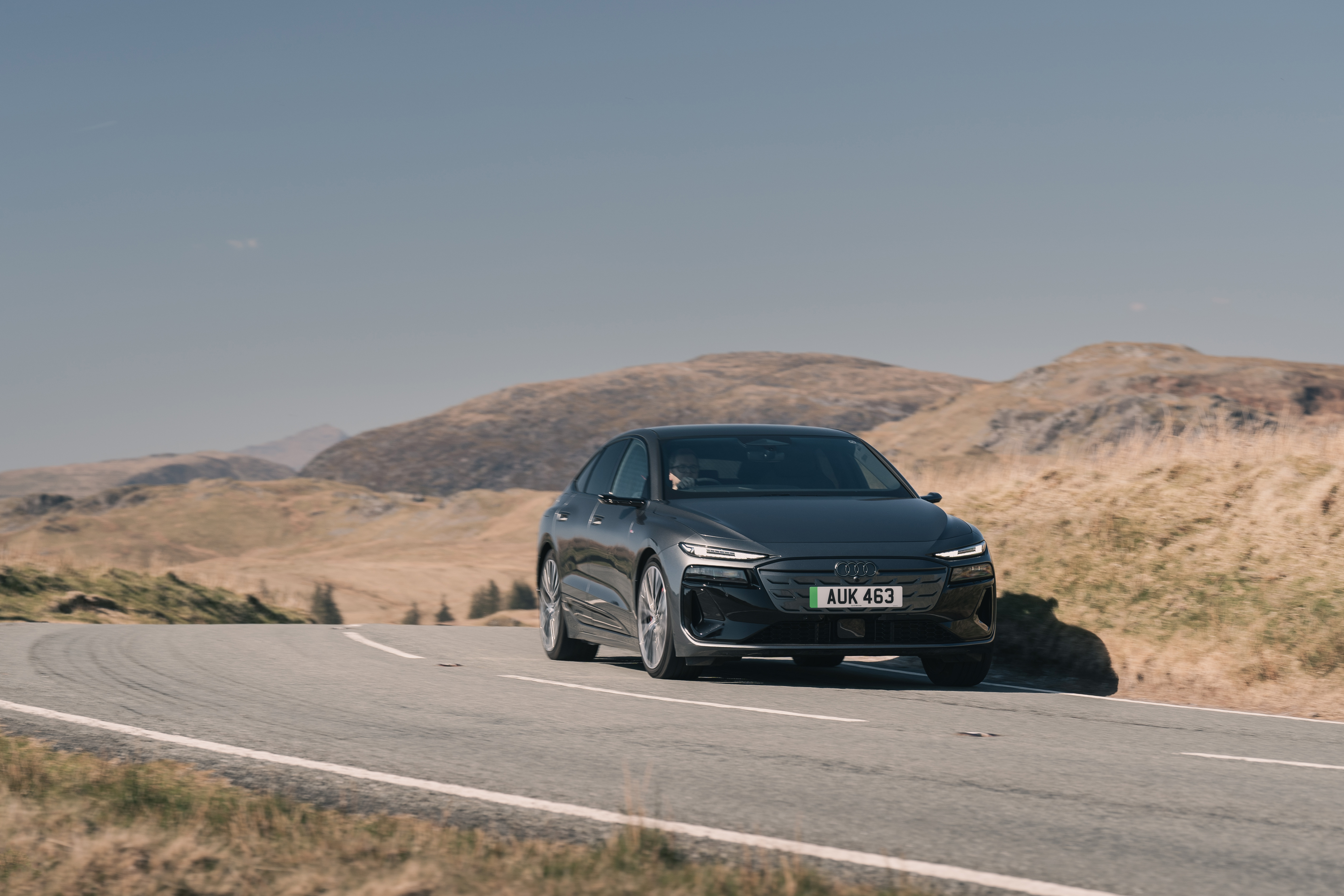
Audi Q6 e-tron Review
Read our expert Audi Q6 e-tron review. Discover range, charging, practicality, performance and whether an Audi Q6 e-tron lease is right for you.
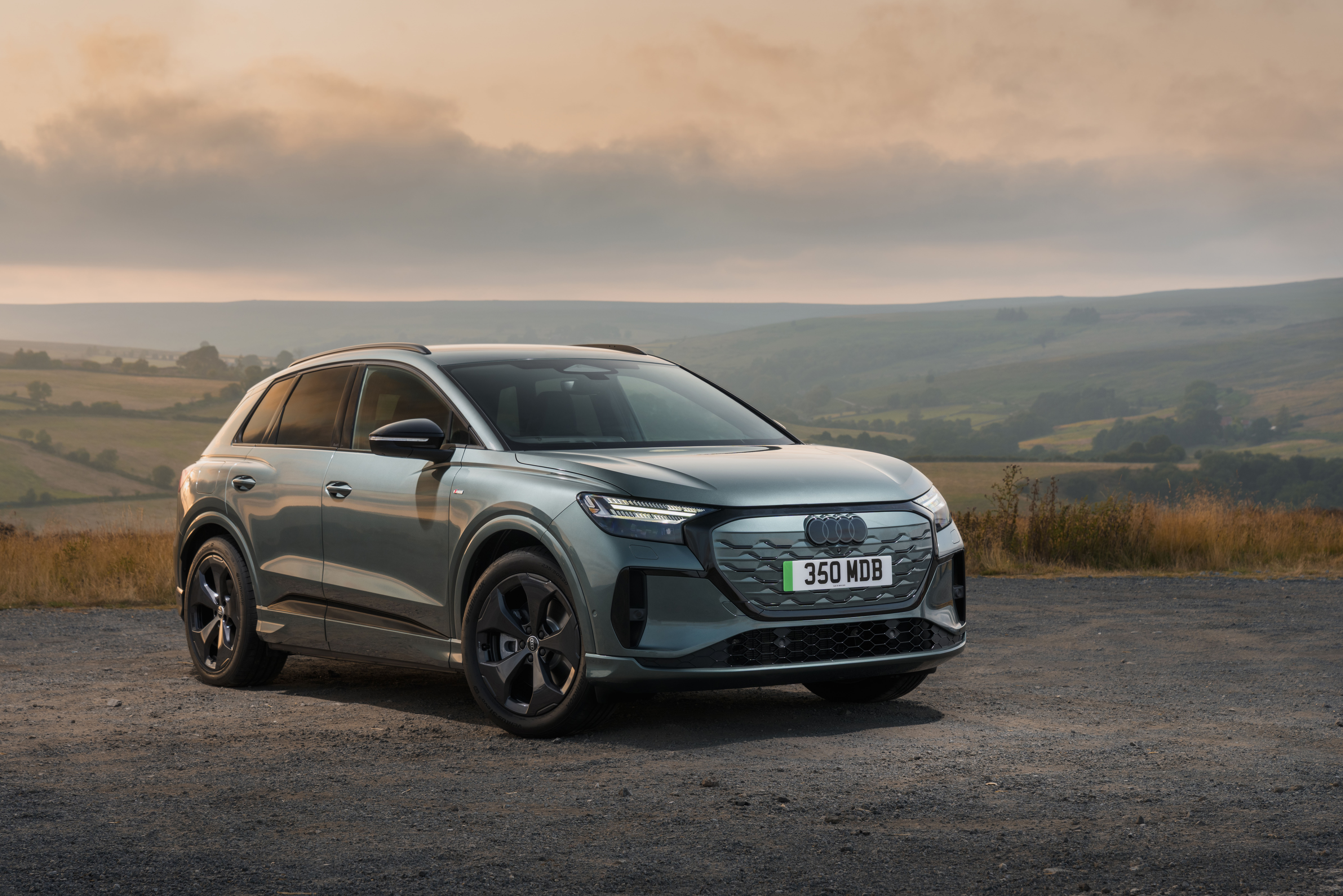
Audi Q4 e-tron Review
Thinking about leasing an Audi Q4 e-tron? Our expert review covers driving performance, interior quality, range, charging, practicality and how it compares with its biggest rivals.
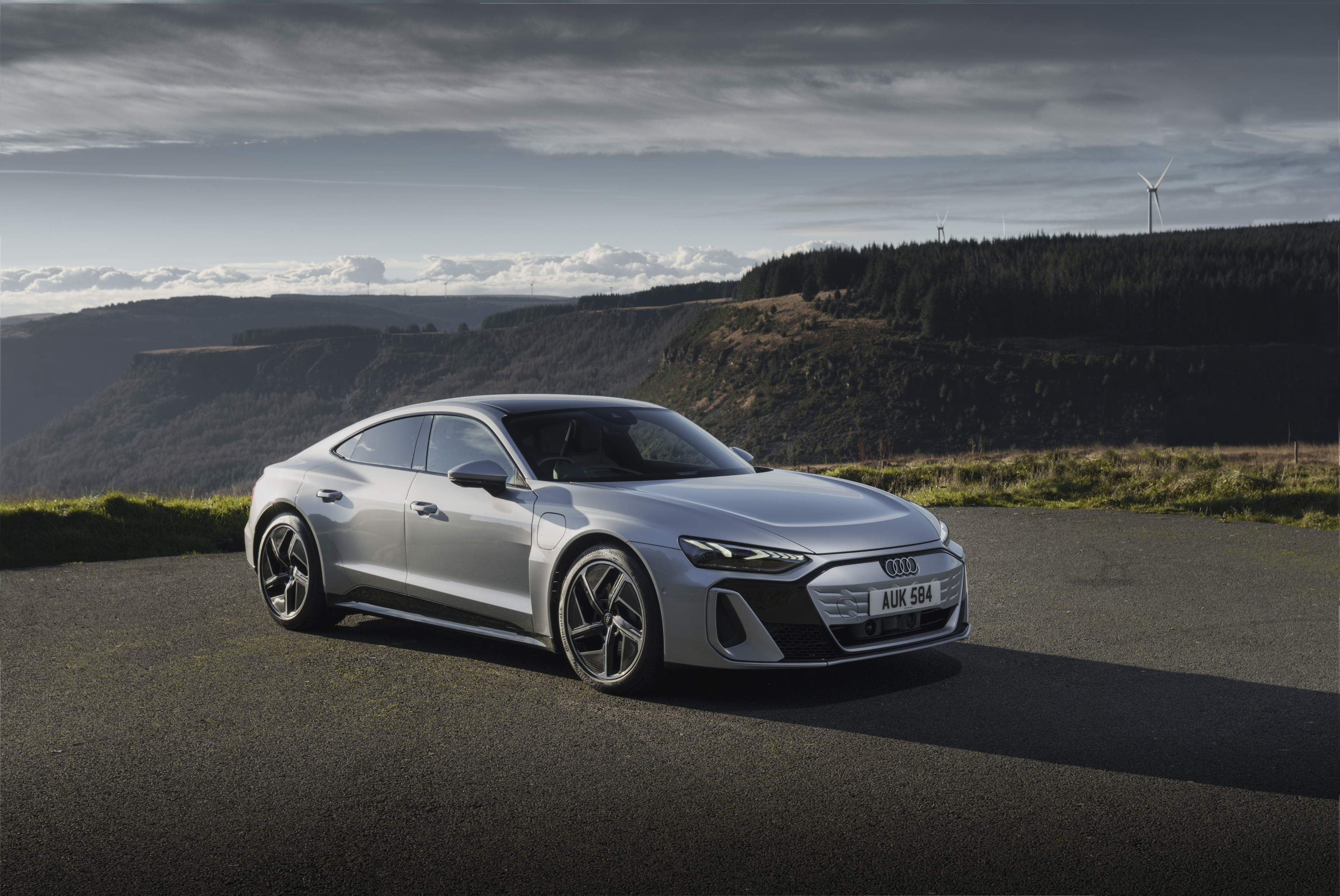
Audi e-tron GT Review
Read our expert Audi e-tron GT review. Discover performance, range, charging, practicality and whether an Audi e-tron GT lease is the right choice for you.
Customer Stories
We've helped over 1,000+ customers find their dream car, hear what they have to say.
Read more reviews“As usual, top class service. The team at Motorlet provided first class service from beginning to end with the friendly helpful expertise of Josh and Wendy. Will continue to use their services as I have done for the past six years...” Keep reading
Diane Parish | Audi Q5