







How Many Miles Can You Put on a Leased Car? Understanding Lease Car Mileage Limits
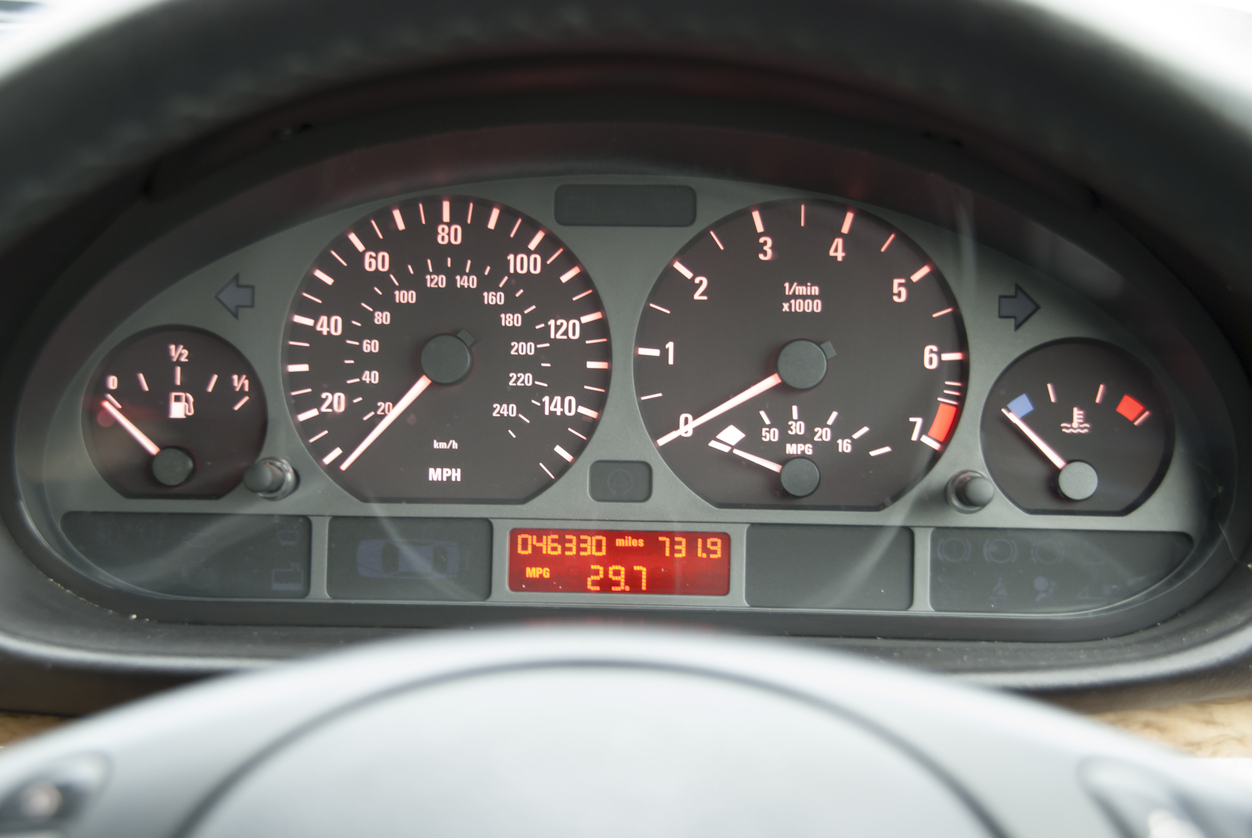
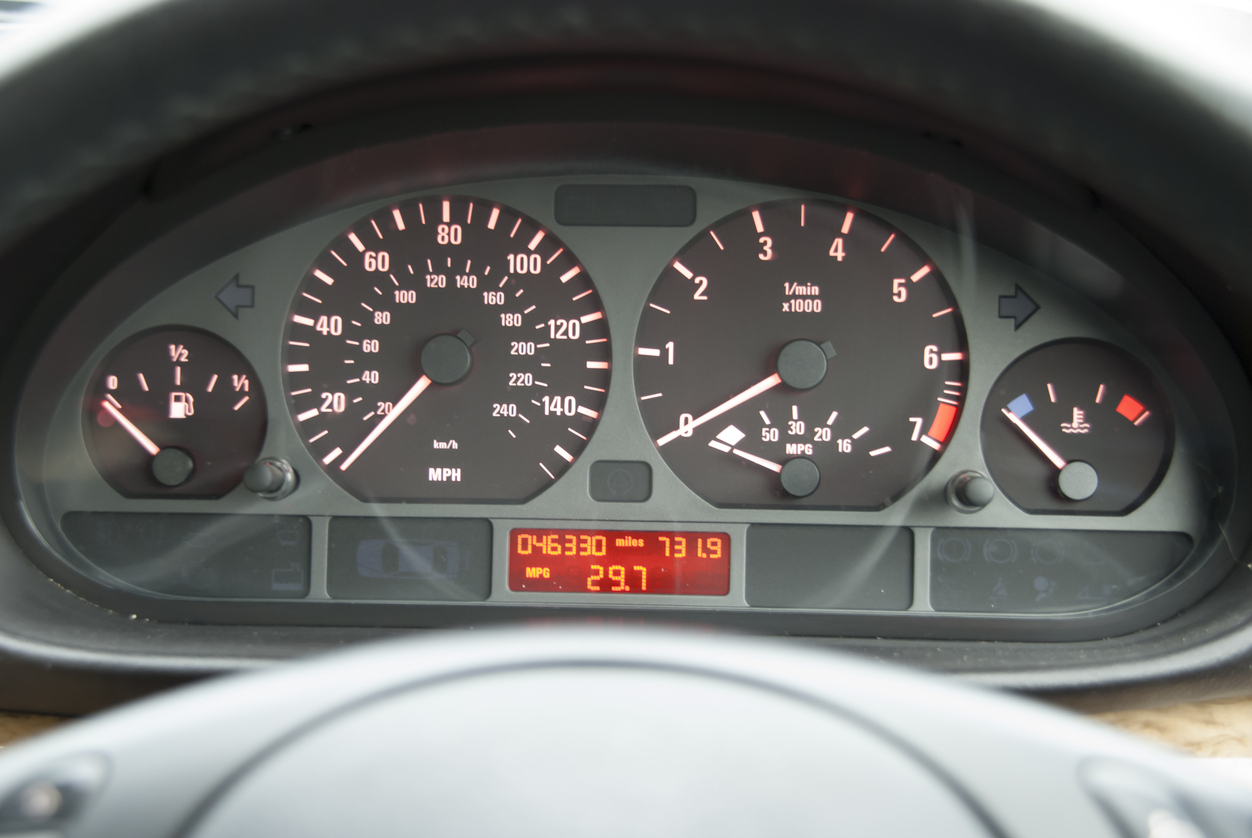
One of the biggest myths about leasing is that you're only allowed to drive a tiny number of miles before someone comes looking for the keys. Thankfully, that's not how it works. Your lease car mileage limit is simply the annual mileage allowance you choose when you take out your lease. Most UK lease deals offer between 5,000 and 30,000 miles a year, so there's an option to suit everyone.
The more miles you choose, the higher your monthly lease costs will be, as higher-mileage cars lose value more quickly. If you drive beyond your agreed allowance, you'll pay an excess mileage charge when you return the vehicle.
The key is choosing a mileage allowance that matches how you actually drive. In this guide, we'll explain how lease car mileage works, what happens if you go over your limit and how to choose the right contract, whether you're an occasional driver or need a lease car with high mileage.
How Does Lease Car Mileage Work?
Lease car mileage is actually pretty simple. Before your contract starts, you'll choose how many miles you expect to drive each year. That figure helps the leasing company estimate what the car will be worth when you hand it back. More miles generally mean more depreciation, which is why higher-mileage leases come with higher monthly payments.
One thing that often catches people out is that your allowance is based on the total mileage across the whole lease, not a strict lease car mileage limit for each individual year. So, if you choose 10,000 miles a year on a three-year contract, you'll have 30,000 miles to use overall.
| Lease Length | Annual Mileage Allowance | Total Contract Mileage |
|---|---|---|
| 24 months | 8,000 miles | 16,000 miles |
| 36 months | 10,000 miles | 30,000 miles |
| 48 months | 12,000 miles | 48,000 miles |
That means life can happen. Maybe you rack up a few extra miles during a summer road trip, then spend the following winter working from home. As long as you're within your total contract mileage when you return the car, those ups and downs aren't a problem, and no one is checking your mileage at the end of every year while you still have your car lease.
Before choosing your mileage allowance, think beyond the Monday-to-Friday commute. Holidays, family visits, weekends away and the occasional IKEA trip all count too, and they can add up surprisingly quickly. A realistic estimate now is the easiest way to avoid paying for mileage you don't use or getting caught out by excess mileage charges later.
What Is the Typical Mileage Limit on a Lease Car?
There isn't a one-size-fits-all mileage limit on a leased car. Instead, you'll choose an annual allowance that matches how you drive. Most UK leasing companies offer anything from 5,000 to 30,000 miles a year, so whether you're a weekend driver or someone who practically lives in the outside lane, there's going to be a contract that fits.
For most personal leases, 8,000 to 10,000 miles a year is the sweet spot. It's enough for commuting, shopping, weekends away and the occasional road trip without paying for mileage you'll probably never use. 8000 can seem like an insane amount, but it works out at just under 22 miles a day. If you commute to work, that will get eaten up fast.
Typical Lease Car Mileage Allowances
| Annual Mileage | Best For |
|---|---|
| 5,000 miles | Drivers who rarely use their car, work from home or mainly make short local journeys. |
| 8,000 miles | Low-mileage drivers with a short commute and occasional weekend trips. |
| 10,000 miles | The most common choice for many private motorists, offering a good balance for everyday driving. |
| 12,000 miles | Drivers with a longer commute or more frequent leisure travel. |
| 15,000 miles | Regular motorway users, families who travel often or those with multiple weekly commitments. |
| 20,000+ miles | High-mileage drivers, sales representatives and frequent business travellers. |
| 30,000+ miles | Drivers who spend much of their working week on the road, although availability may vary depending on the leasing company and vehicle. |
It can be tempting to pick the lowest allowance to get the lowest monthly lease payment. That's great if you genuinely don't drive very much, but it can become a false economy if you end up paying excess mileage charges when the lease finishes.
If you're stuck between two mileage bands, think about where you'll be in two or three years rather than where you are today. A new job or finally taking those UK road trips you've been talking about could mean you cover more miles than you expected. It's better to choose a slightly higher allowance than spend the whole lease wondering whether every extra journey is going to cost you later.
Why Do Lease Companies Even Have Mileage Limits?
Lease car mileage limits aren't there to stop you taking that spontaneous weekend trip to the coast. They're there because miles affect what a car is worth.
Every extra mile adds a little more wear to the vehicle and, generally speaking, a lower resale value. Leasing companies know they'll be selling the car once your contract ends, so they use your expected annual mileage to estimate how much it'll be worth in a few years' time.
That's why mileage plays such a big part in calculating your monthly payments. A car that's expected to cover 8,000 miles a year is going to be worth more than the same model that's travelled 20,000 miles a year, so the higher-mileage lease usually costs more.
It's not just about the number on the odometer, either. More miles often mean more tyre wear, more servicing and more general wear and tear, all of which can affect the car's value when it's returned.
So, if you're wondering why increasing your mileage allowance also increases your monthly payment, that's the reason. You're paying for the extra depreciation the leasing company expects over the course of your agreement.

How Expensive is a High Mileage Lease?
Increasing your lease car mileage allowance by a couple of thousand miles a year will only add a relatively small amount to your monthly payment. Jumping from 8,000 miles to 20,000 miles, however, is likely to have a much bigger impact because the leasing company expects the car to lose more value over the course of your agreement.
Here's a simple example of how monthly payments might change.
| Annual Mileage Allowance | Illustrative Monthly Payment* |
|---|---|
| 8,000 miles | £289 |
| 10,000 miles | £301 |
| 12,000 miles | £314 |
| 15,000 miles | £336 |
| 20,000 miles | £372 |
*Illustrative figures only. Actual lease prices vary depending on the vehicle, contract length, initial rental and finance provider.
This is why it's worth taking a few minutes to work out your expected mileage before requesting quotes. Choosing 15,000 miles when you'll only drive 8,000 means you'll pay more every month than you needed to. On the flip side, choosing 8,000 miles when you're really going to drive 15,000 could leave you with excess mileage charges at the end of the lease.
The sweet spot is somewhere in the middle: a mileage allowance that's as close as possible to how you'll actually use the car.
What Happens If You Go Over Your Lease Car Mileage Limit?
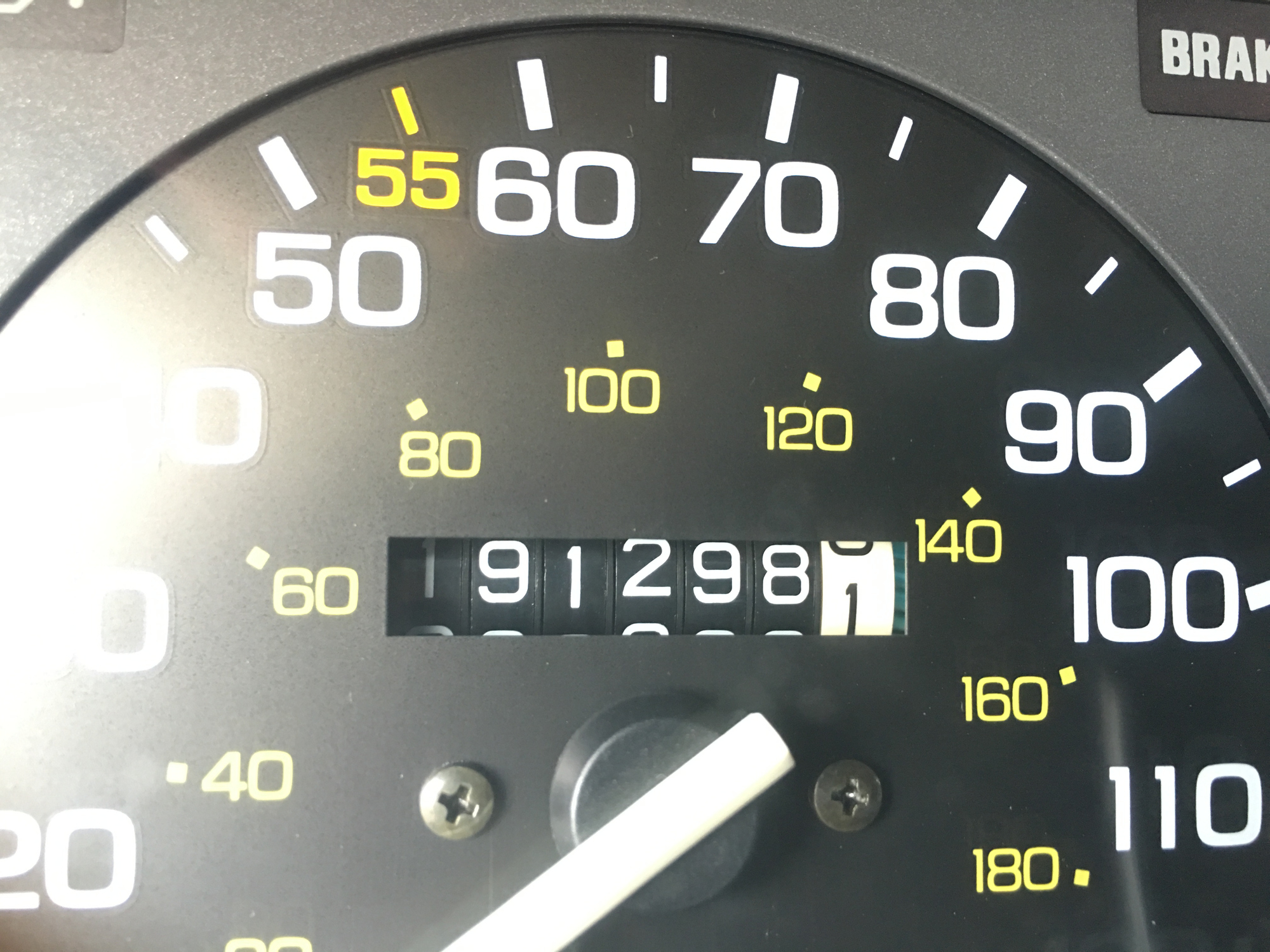
Going over your lease car mileage allowance isn't the end of the world. It doesn't cancel your lease or mean somebody turns up to collect the car early. Instead, you'll pay an excess mileage charge when you return the lease vehicle. The rate is agreed before your lease begins and is usually charged on a pence-per-mile basis.
Exactly how much you'll pay depends on your finance provider and the vehicle you've leased. Premium cars often have higher excess mileage charges than smaller, lower-value models.
How Excess Mileage Charges Are Calculated
The calculation is straightforward:
Miles over your allowance × excess mileage rate = total excess mileage charge
For example, imagine you've leased a car with an annual allowance of 10,000 miles on a three-year contract. Your total contract mileage would be 30,000 miles.
If you return the vehicle having driven 32,500 miles, you've exceeded your allowance by 2,500 miles.
| Total Contract Mileage | Actual Mileage | Excess Mileage | Charge Per Mile | Total Charge |
|---|---|---|---|---|
| 30,000 miles | 32,500 miles | 2,500 miles | 15p | £375 |
In this example, the additional charge would be £375.
That might sound frustrating, but it doesn't automatically mean you've made the wrong decision. If you'd increased your mileage allowance at the start of the lease, your monthly payments may have been higher for the entire contract. Depending on how many miles you've exceeded the lease car mileage limit by, paying the excess charge can sometimes work out to be the cheaper option overall.
One final point worth remembering is that excess mileage charges are completely separate from fair wear and tear. Staying within your mileage allowance won't prevent charges for damage beyond the leasing company's return standards, just as going over your mileage doesn't affect how the vehicle's condition is assessed.
Is It Better to Choose More Mileage or Pay Excess Charges?
This is one of the most common questions we get about car lease mileage restrictions. There's no universal answer, but in most cases, buying thousands of extra miles "just in case" isn't the cheapest strategy.
If you're almost certain you'll drive well beyond your lease car mileage limit, choosing a higher-mileage lease from the start makes sense. Your monthly payments will be a little higher, but you'll avoid the risk of a hefty bill when it's time to return the car.
If you're only likely to go over by a few hundred miles, however, the maths can look very different. Depending on your excess mileage rate, paying the charge at the end of the lease could work out cheaper than paying higher monthly payments for three or four years.
Which Option Makes More Sense?
| Your Situation | Usually the Better Choice |
|---|---|
| Your mileage is very consistent each year | Choose an allowance that closely matches your expected annual mileage. |
| You're confident you'll exceed a lower allowance | Select a higher mileage contract from the outset. |
| Your mileage changes slightly from year to year | Choose a realistic allowance with a small buffer rather than a much higher limit. |
| You're unsure because your circumstances may change | Speak to your leasing provider before signing, as some finance companies allow mileage adjustments during the lease. |
There isn't much value in paying for mileage you'll never use. Equally, choosing the cheapest contract and hoping for the best can become an expensive gamble if you're thousands of miles over your allowance.
If you're stuck between two mileage options, compare the increase in the monthly payment with the excess mileage rate in the lease agreement. Sometimes the difference is surprisingly small, making the higher allowance worthwhile. Other times, accepting the possibility of a modest excess mileage charge could leave you better off overall.
At the end of the day, the best lease isn't necessarily the one with the lowest monthly payment. It's the one that's priced around how you actually drive.
Can You Change Your Mileage During the Lease?
If your driving habits change after your lease starts, your finance provider may let you increase your lease car mileage limit. It isn't guaranteed, but it's always worth asking if you suddenly find yourself spending far more time behind the wheel than you expected.
Maybe you've landed a new job with a longer commute or moved further away from family. Whatever the reason, it's much better to have the conversation early than wait until you're handing the keys back.
If your provider agrees to increase your mileage allowance, your monthly payments will usually go up to reflect the extra depreciation. Some finance companies, however, don't allow changes once the agreement has started, so the only way to know is to ask.
When Should You Contact Your Leasing Company?
Get in touch if you've:
Started a job with a much longer commute.
Moved home and now drive further each day.
Begun travelling regularly for work.
Noticed you're well ahead of your expected mileage.
Planned several long road trips before your lease ends.
Even if your contract can't be changed, your leasing provider can explain what your excess mileage charges are likely to be, so you'll know what to expect before you’re shell shocked with a heft mileage bill.
Can You Lease a Car With High Mileage?
Just because you drive 20,000 miles a year doesn't mean you should automatically rule out leasing. Plenty of UK leasing companies offer high-mileage contracts with allowances of 20,000, 25,000 or even 30,000 miles per year, so there's a good chance you'll find an agreement that suits the way you drive.
The monthly payment will be higher than an equivalent low-mileage lease, but that's far better than choosing a cheaper contract and paying thousands of excess mileage charges later.
High-mileage lease cars are a popular choice for:
Long-distance commuters.
Sales representatives and field engineers.
Business owners who regularly visit clients.
Drivers who spend most of the week on the motorway.
Families who frequently travel around the UK.
We actually have a dedicated filter for high mileage lease deals on our search page, so you can find the best lease to fit your needs.

Should You Lease if You Drive Lots of Miles?
If you're covering 20,000 miles or more each year, leasing still gives you all the usual benefits of driving a newer car, including modern technology, improved fuel efficiency and, in most cases, the reassurance of the manufacturer's warranty throughout your agreement.
The only real difference is that you'll need to choose a mileage allowance that matches how you actually drive.
If you're considering switching to an electric car, high annual mileage could even work in your favour. Drivers who regularly cover long distances see the biggest savings from charging at home compared with paying for petrol or diesel, although it's still worth thinking about charging infrastructure if your journeys regularly take you well beyond the vehicle's range.
If you're unsure which lease car mileage limit you need, speak to your leasing provider before ordering your car. They can help you compare different contract options and avoid paying for miles you won't use, or paying excess mileage charges because you underestimated them.
How to Work Out Your Annual Mileage
If you're not sure which lease car mileage allowance to choose, don't just guess. Spending five minutes working it out now is much easier than paying for the wrong contract over the next three years.
You don't need a spreadsheet or calculator. A few quick checks will usually get you surprisingly close.
1. Check Your Current Car's Mileage
If you've owned your current car for at least a year, you're already holding the answer. Check your latest MOT certificate or service record and compare it with your current odometer reading. That will give you a realistic picture of how many miles you drive in a typical year.
2. Calculate Your Weekly Driving
If you don't have previous mileage records, work out roughly how far you drive in an average week.
Your journey to work is only part of the story. Don't forget to include things like:
School runs.
Shopping trips.
Visiting friends and family.
Regular hobbies or sports.
Weekend days out.
Those little journeys soon add up.
3. Don't Forget Occasional Journeys
This is where many drivers underestimate their mileage. A couple of UK holidays, a few airport runs and the odd family visit might not seem like much, but together they can easily add another thousand miles or more to your yearly total.
Think about trips that don't happen every week, including:
UK holidays.
Weekend breaks.
Airport journeys.
Visiting relatives.
Seasonal events and days out.
4. Consider Whether Your Circumstances Might Change
You're choosing a lease car mileage limit for the whole lease, not just next month. If there's a good chance you'll move house, change jobs or start travelling more, it might be worth building in a little breathing room rather than choosing the absolute minimum allowance.
Quick Mileage Estimator
| Driving Habit | Approximate Annual Mileage |
|---|---|
| Mostly local journeys | Up to 6,000 miles |
| Short daily commute | 6,000–10,000 miles |
| Average commuter | 10,000–12,000 miles |
| Long-distance commuter | 12,000–20,000 miles |
| Frequent business travel | 20,000+ miles |
No guide can tell you exactly how many miles you'll drive, but it should point you in the right direction. If you're between two mileage bands, it's usually worth getting a couple of lease quotes for each so you can compare the monthly payments before making your decision.
Find a Lease That Fits Your Driving Habits
Lease car mileage limits aren't something to worry about. They're just part of choosing the right contract. Get your mileage about right and everything else becomes much easier. You'll avoid paying for miles you never use, reduce the chances of excess mileage charges and know exactly what your lease is likely to cost from day one.
At Motorlet, we help drivers find lease deals that make sense for the way they actually use their cars. From low-mileage city runabouts to contracts designed for drivers covering 20,000 miles or more each year, we'll help you compare your options without the jargon.
Have a look at our latest lease deals or get in touch if you're unsure which mileage allowance makes the most sense. We'd much rather help you choose the right contract now than see you paying for the wrong one later.
Frequently Asked Questions
How many miles can you put on a leased car?
You can drive as many miles as your lease agreement allows. Most UK lease deals offer annual mileage allowances between 5,000 and 30,000 miles, although higher-mileage contracts are available if you regularly spend long hours on the road.
What is the average lease car mileage limit?
Most personal lease agreements are based on 8,000 to 10,000 miles per year. If you expect to drive further than that, you can choose a higher mileage allowance before your lease begins.
What happens if I exceed my lease mileage allowance?
You'll normally pay an excess mileage charge when you return the car. The cost is agreed before your lease starts and is usually charged on a pence-per-mile basis for every mile over your allowance.
Can I increase my mileage allowance during my lease?
Some finance providers allow you to increase your mileage allowance if your circumstances change, whilst others don't. If you think you're going to exceed your lease car mileage limit, it's worth contacting your leasing company sooner rather than later.
Is it better to pay excess mileage charges or choose a higher allowance?
It depends how many extra miles you expect to drive. If you're only likely to go a few hundred miles over, paying the excess charge could be cheaper. If you'll exceed your allowance by several thousand miles, a higher-mileage contract often works out better.
Can you get an unlimited mileage lease?
You can, but they're very uncommon in the UK. Most leasing companies offer a range of high-mileage contracts instead, giving you more choice while keeping monthly payments competitive.
Does motorway driving count differently?
No. A mile is a mile as far as your lease agreement is concerned. Whether you're driving on the motorway, around town or down country lanes, every mile tracked on the odometer counts towards your allowance.
Is leasing worth it if I drive 20,000 miles a year?
Absolutely. Many leasing companies offer contracts designed for high-mileage drivers, so covering 20,000 miles a year doesn't mean leasing is off the table. You'll simply need a mileage allowance that reflects how you actually drive.
What's next?
Enjoyed this? Read our latest news

Audi Q6 e-tron Review
Read our expert Audi Q6 e-tron review. Discover range, charging, practicality, performance and whether an Audi Q6 e-tron lease is right for you.

Audi Q4 e-tron Review
Thinking about leasing an Audi Q4 e-tron? Our expert review covers driving performance, interior quality, range, charging, practicality and how it compares with its biggest rivals.
Audi e-tron GT Review
Read our expert Audi e-tron GT review. Discover performance, range, charging, practicality and whether an Audi e-tron GT lease is the right choice for you.
Customer Stories
We've helped over 1,000+ customers find their dream car, hear what they have to say.
Read more reviews“As usual, top class service. The team at Motorlet provided first class service from beginning to end with the friendly helpful expertise of Josh and Wendy. Will continue to use their services as I have done for the past six years...” Keep reading
Diane Parish | Audi Q5