







Types of Tyres Explained
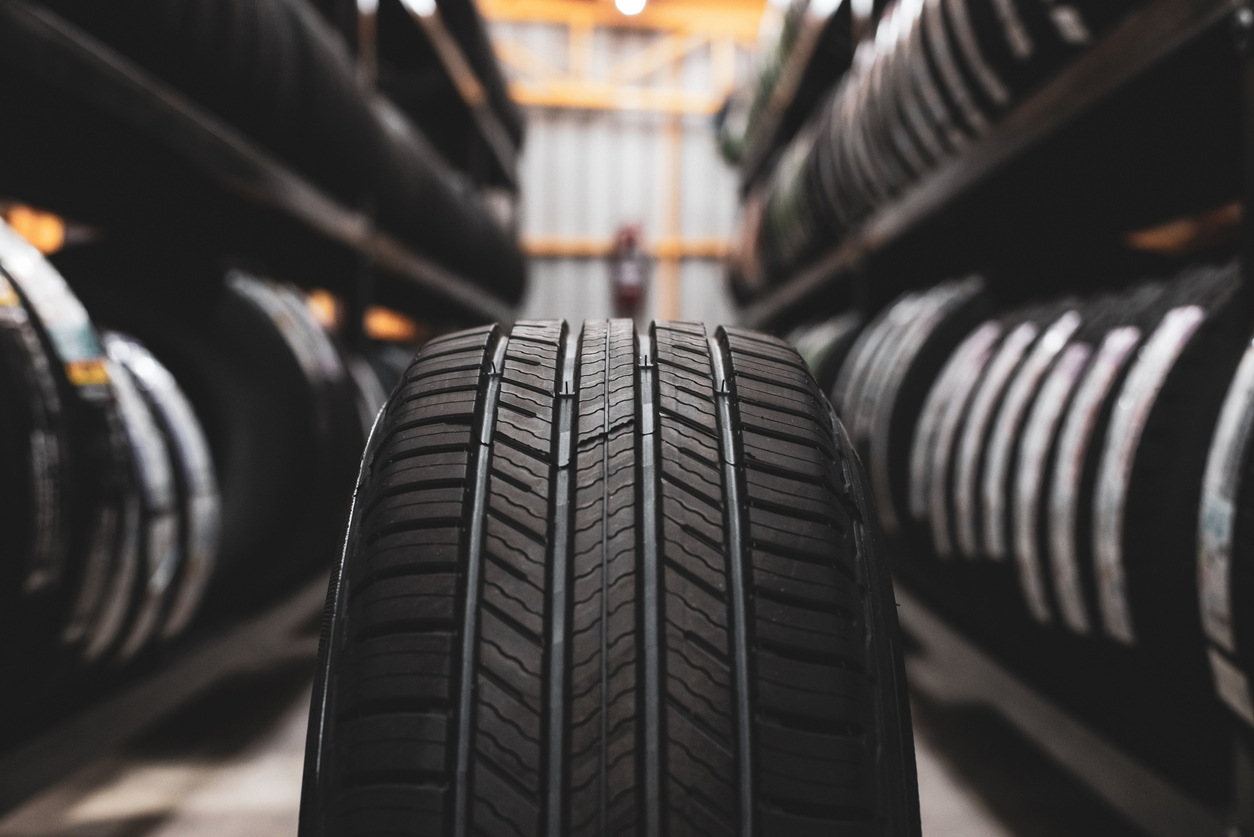
Your tyres are one of the most important parts of your vehicle. They are the only point of contact between your car and the road, affecting everything from braking distances and handling to fuel consumption and comfort.
Different types of tyres are designed for different driving conditions, weather patterns and vehicle types. Choosing the right car tyres can improve fuel efficiency, provide excellent grip in dry and wet conditions, reduce road noise, and enhance overall driving safety.
Obviously, there are many different types of driving conditions, like winter conditions, if you commute many miles daily, or you may want high-performance handling, so understanding the different types of tyres available can help you choose the best tyres for your vehicle.
In this guide, we explain the main tyre categories, how they work, and which tyre types are best suited to different driving conditions throughout the year, so you can make the best decision.
Why Choosing the Right Tyres Matters
Tyres play a crucial role in the safety, performance and efficiency of your vehicle. Choosing the wrong tyres can negatively impact braking distances, grip, steering response, and even fuel economy. Modern tyres are specifically engineered with different rubber compounds and tread patterns to perform in particular weather and road conditions. For example, summer tyres are designed to deliver optimal performance in warm, dry conditions, while winter tyres provide enhanced traction on snow, ice and cold roads. All-season tyres offer a balance between summer and winter capabilities, making them a versatile option for many drivers, while performance tyres prioritise maximum grip and handling for a more responsive driving experience. The right tyres can also help reduce rolling resistance, improving fuel efficiency and lowering fuel consumption over time. As tyres influence everything from emergency braking and cornering stability to overall vehicle control, selecting the correct type for your driving needs is an important part of staying safe on the road.
Main Types of Tyres
Modern car tyres are generally split into several key categories based on weather conditions, vehicle types and driving priorities.
Summer Tyres
Summer tyres are the most commonly fitted tyres on vehicles in the UK and are designed to deliver optimal performance in temperatures above 7°C. Their specialised rubber compound remains firm in warmer conditions, providing excellent grip, responsive handling and shorter braking distances on both dry and wet roads. The tread patterns are engineered to disperse water effectively, helping maintain strong contact with the road surface while reducing the risk of aquaplaning.
Key benefits of summer tyres include excellent traction in warm weather, improved steering response, reduced rolling resistance, lower road noise and enhanced fuel efficiency. By requiring less energy to roll, they can help reduce fuel consumption during everyday driving. However, summer tyres are less effective in colder conditions, as the rubber compound hardens when temperatures fall, resulting in reduced grip and performance on cold roads, snow and ice.
Winter Tyres
Winter tyres are specifically designed to deliver improved performance at temperatures below 7°C and in challenging winter conditions. Unlike summer tyres, they use a softer rubber compound that remains flexible in cold temperatures, helping to maintain grip and contact with the road surface. This results in better traction, shorter braking distances and improved steering control on cold, wet, snowy and icy roads.
Winter tyres also feature deeper tread patterns and thousands of small grooves known as sipes, which help bite into snow and disperse slush more effectively. The combination of specialised tread design and flexible rubber provides greater stability and control when driving in winter conditions.
Key benefits of winter tyres include improved traction on snow and ice, enhanced braking performance in cold weather, increased grip during winter driving and a reduced risk of skidding. For drivers in areas that regularly experience snow, frost or icy roads, winter tyres can significantly improve safety and confidence behind the wheel. Because the rubber compound is softer, winter tyres tend to wear more quickly in warmer temperatures and may slightly increase fuel consumption when used during the summer months.
All Season Tyres
All-season tyres, sometimes referred to as all-weather tyres, are designed to provide reliable performance throughout the year without the need to switch between summer and winter tyres. These are often a good choice for UK drivers thanks to the ever-changing English weather!
The tread pattern and rubber compound are engineered to deliver good grip in both warm and cold temperatures, offering dependable performance on dry roads, wet surfaces and light snow. This makes all-season tyres particularly well suited to the UK's moderate climate, where extreme weather conditions are relatively uncommon and don’t happen for extended periods.
Key benefits of all-season tyres include strong performance in both dry and wet conditions, improved winter capability compared to summer tyres, year-round convenience and suitability for a wide range of driving conditions. While they offer excellent versatility, they are still a compromise compared to specialist tyres. For many UK motorists, all-season tyres provide an ideal balance of convenience, safety and fuel efficiency throughout the year.
Run Flat Tyres
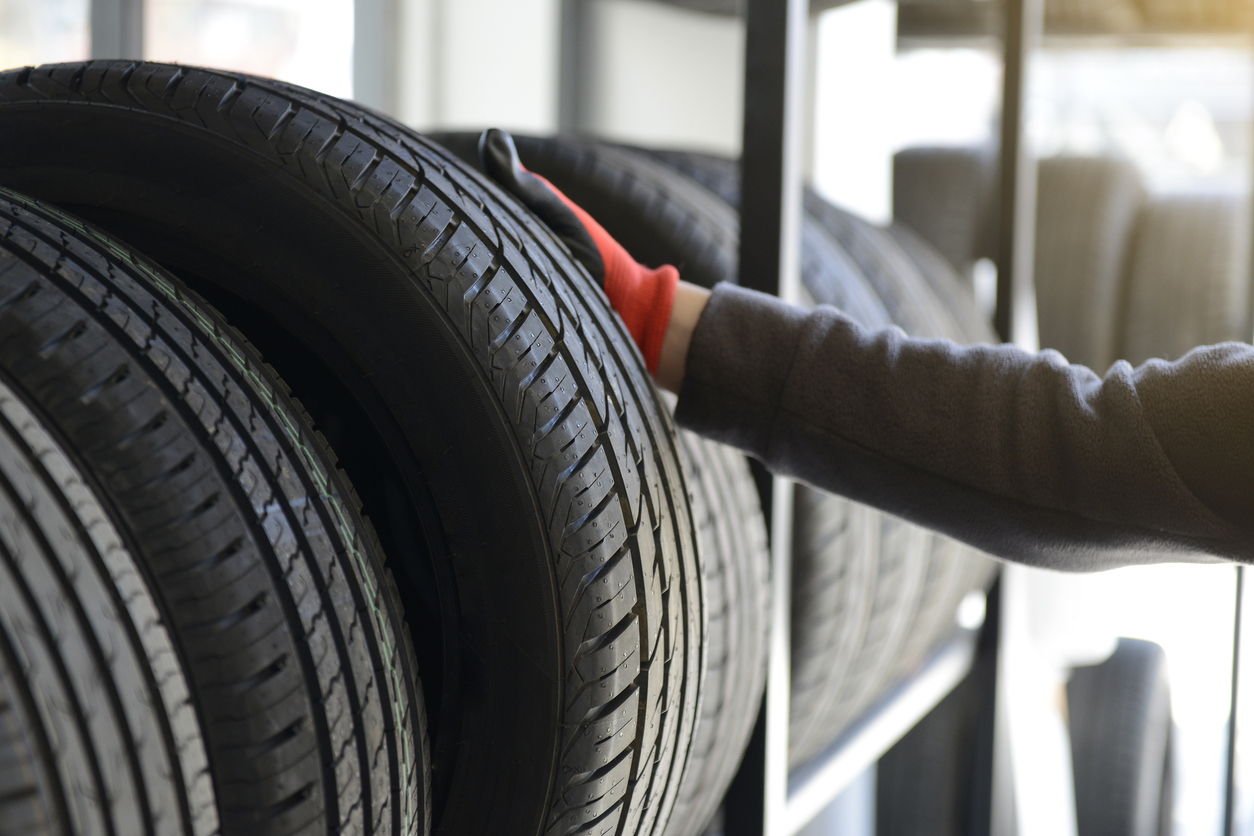
Run-flat tyres are designed to allow continued driving for a limited distance after a puncture, helping drivers reach a safe location or a tyre specialist without stopping immediately at the roadside. Unlike conventional tyres, run-flat tyres feature reinforced sidewalls that can support the vehicle's weight even after a loss of air pressure, reducing the risk and inconvenience associated with a sudden puncture.
One of the main advantages of run-flat tyres is improved safety, particularly on busy roads and motorways, where changing a tyre can be hazardous, especially if there isn’t a hard shoulder. They also eliminate the need for an immediate roadside tyre change and remove the requirement for a spare wheel, freeing up valuable boot space and reducing vehicle weight.
Run flat tyres are generally more expensive than standard tyres and can provide a firmer ride due to their reinforced construction. As not all vehicles are designed to use run flat tyres, you should always check the vehicle manufacturer's recommendations before fitting them.
Performance Tyres
Performance tyres are specifically engineered for sports cars, performance vehicles and drivers who prioritise maximum grip, precise handling and enhanced driving dynamics. These tyres use advanced rubber compounds and specialised tread patterns to maximise traction, improve cornering stability and deliver shorter braking distances, particularly at higher speeds.
Many performance tyres also feature low-profile sidewalls, which reduce tyre flex during cornering and provide more direct steering feedback. This means sharper handling and greater control, making them a popular choice for enthusiastic drivers and high-performance vehicles.
Key benefits of performance tyres include exceptional grip, responsive handling, improved cornering stability and enhanced performance in dry weather conditions. But these benefits often come with some trade-offs. Performance tyres typically wear more quickly than standard touring tyres, may generate higher levels of road noise and can provide a firmer ride due to their focus on handling rather than comfort. If you are looking for the highest levels of control and driving performance, performance tyres remain the preferred choice.
Touring Tyres
Touring tyres are designed for drivers who prioritise comfort, refinement and long-term durability during everyday driving. Rather than focusing on maximum performance, these tyres are engineered to deliver a smooth, quiet driving experience, making them a popular choice for family cars, saloons and commuter vehicles.
The tread patterns and construction of touring tyres are optimised to reduce road noise, improve ride comfort and deliver predictable handling in a wide range of normal driving conditions. They also tend to offer a longer lifespan than performance-focused tyres, helping to reduce replacement costs over time.
Their combination of comfort, durability and dependable performance makes them an excellent option for motorists who spend significant time on the road and want a relaxed, economical driving experience.
SUV and 4x4 Tyres
SUV and 4x4 tyres are specifically designed to support the greater weight, higher centre of gravity and varied driving demands of larger vehicles. They often feature reinforced sidewalls and stronger internal construction to improve durability, load-carrying capacity and overall stability. Depending on the intended use of the vehicle, SUV tyres can be tailored for smooth on-road driving, mixed-use conditions or challenging off-road environments.
There are several common categories of SUV and 4x4 tyres. Highway terrain tyres are designed primarily for road use, offering good comfort, low noise levels and fuel efficiency. All-terrain tyres provide a balance between on-road performance and off-road capability, making them a popular choice for drivers who regularly encounter mixed surfaces. Mud-terrain tyres are built for demanding off-road conditions, featuring aggressive tread patterns that deliver maximum traction on mud, loose ground, and rough terrain.
Choosing the right SUV or 4x4 tyre depends largely on how the vehicle is used. If you spend most of your time on the road, you may benefit from highway terrain tyres, while those who regularly venture off-road may require all-terrain or mud terrain options to achieve the best levels of grip, durability and performance.
Electric Vehicle (EV) Tyres
Electric vehicles place unique demands on tyres due to their heavier battery packs, increased vehicle weight and the instant torque delivered by electric motors. As a result, many manufacturers have developed specialist EV tyres designed to improve efficiency, durability and overall driving performance.
EV tyres are engineered with reduced rolling resistance, which helps minimise energy loss as the tyre moves along the road. This is particularly important for electric vehicles, as lower rolling resistance can help maximise driving range and improve battery efficiency. Many EV-specific tyres also feature advanced tread patterns designed to reduce road noise, creating a quieter driving experience that complements the near-silent operation of electric vehicles.
Key benefits of EV tyres include improved energy efficiency, reduced rolling resistance, lower cabin noise, enhanced durability and better support for the additional weight of electric vehicles. Reinforced construction and specialised rubber compounds also help manage the increased torque produced by EVs, improving traction and reducing tyre wear. For electric vehicle owners, choosing tyres specifically designed for EVs can help optimise performance and range while maintaining safety and comfort.
Understanding Tyre Tread Patterns
Tyre tread patterns play a major role in grip, water dispersion and overall vehicle handling.
The three main tread designs are:
Symmetrical Tread Patterns
These provide quiet running, low rolling resistance and longer tyre lifespan.
Asymmetrical Tread Patterns
These are designed to improve both dry and wet handling performance by using different tread zones across the tyre.
Directional Tread Patterns
Directional tread designs are optimised for water evacuation and reducing aquaplaning risks during heavy rain.
What Do Tyre Numbers Mean?
On your tyre sidewalls, you may or may not know that there is important information about tyre size and capability.
For example:
225/45 R17 94W
This means:
225 = tyre width in millimetres
45 = aspect ratio
R = radial construction
17 = wheel diameter
94 = load rating
W = speed rating
Understanding these markings helps ensure you choose tyres compatible with your vehicle. It also helps you replace with like-for-like when you need to.
Different Types of Tyres Compared
| Tyre Type | Best For | Weather Conditions | Main Benefit | Potential Drawback |
|---|---|---|---|---|
| Summer Tyres | Everyday driving | Warm, dry and wet conditions | Excellent grip and fuel efficiency | Reduced winter performance |
| Winter Tyres | Snow and ice | Cold weather and winter conditions | Improved traction and braking | Faster wear in warm weather |
| All Season Tyres | Mixed climates | Year-round use | Convenience and versatility | Compromise compared to specialist tyres |
| Run Flat Tyres | Puncture protection | All conditions | Continue driving after puncture | Higher replacement costs |
| Performance Tyres | Sports driving | Dry conditions | High performance handling | Reduced comfort and lifespan |
| Touring Tyres | Comfortable commuting | Everyday use | Quiet and efficient driving | Less sporty handling |
| SUV Tyres | Larger vehicles | Mixed terrain | Extra durability | Increased rolling resistance |
| EV Tyres | Electric vehicles | Everyday driving | Improved fuel efficiency | Often more expensive |
How to Choose the Best Tyres for Your Car
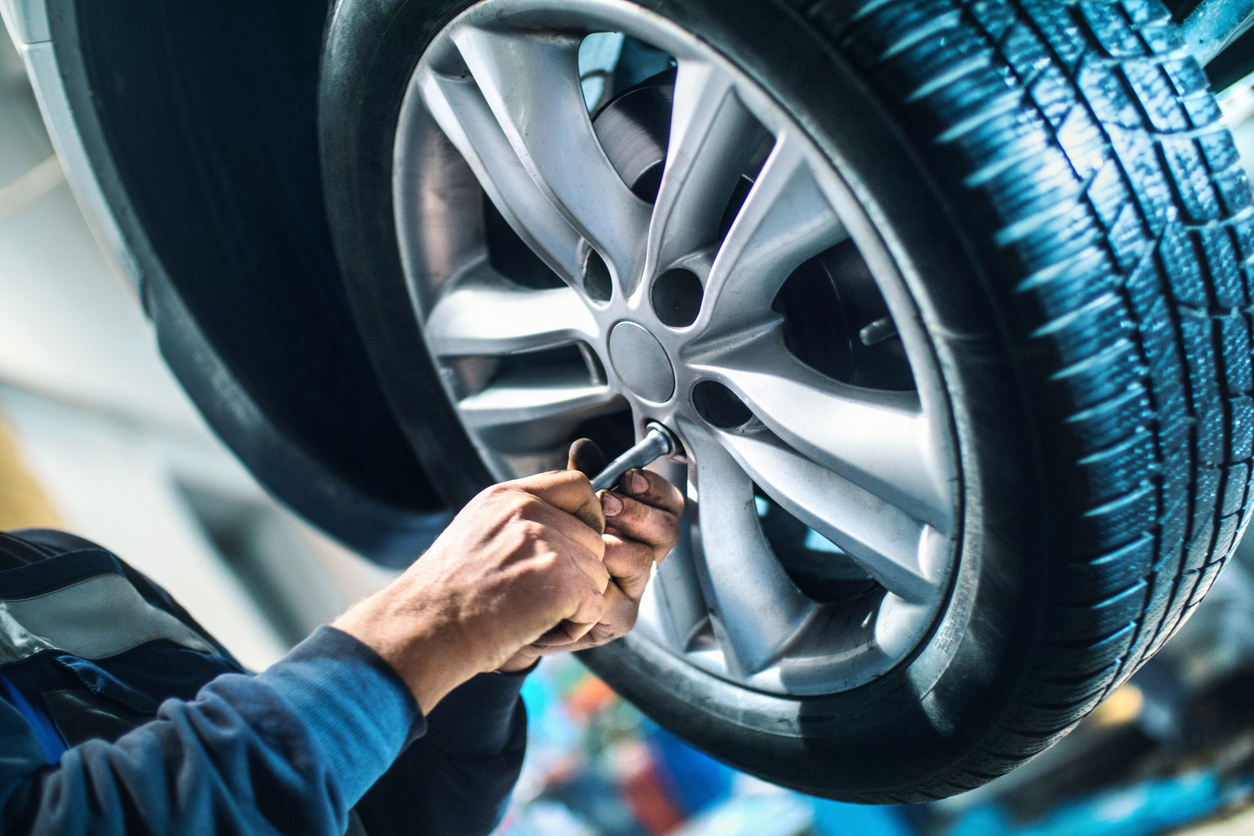
If you regularly cover long motorway distances, you may benefit from tyres with reduced rolling resistance, which can improve fuel economy and reduce tyre wear. If you enjoy a more dynamic driving experience, you may prefer tyres that offer enhanced grip, sharper handling and improved cornering stability. Vehicle type is also important, as SUVs, electric vehicles and performance cars often require tyres specifically designed to meet their unique demands.
For motorists living in areas that experience frequent snow, ice or prolonged cold temperatures, dedicated winter tyres can provide substantially better traction, braking performance and control than standard summer tyres. By considering your individual driving requirements and typical road conditions, you can choose tyres that deliver the right balance of safety, comfort, efficiency and performance.
Premium vs Budget Tyres
Premium tyres from major manufacturers often deliver stronger wet weather performance, shorter braking distances and improved durability compared to budget alternatives.
They may also offer:
Better fuel economy
Reduced road noise
Longer lifespan
Improved dry and wet grip
Budget tyres can still be suitable for lower-mileage drivers, but tyre quality should always be carefully considered because tyres directly affect safety.
How Long Do Tyres Last?
Tyre lifespan varies depending on driving style, mileage, tyre type and road conditions.
In the UK, the legal minimum tread depth is 1.6mm across the central three-quarters of the tyre.
However, many experts recommend replacing tyres before reaching this limit, particularly for wet weather performance.
Regular tyre maintenance can help extend tyre life and improve safety.
Signs Your Tyres Need Replacing
Common signs of tyre wear include:
Low tread depth
Cracks in the sidewall
Uneven wear patterns
Bulges or damage
Reduced grip
Increased road noise
Vibration while driving
Regular tyre inspections are important for maintaining vehicle safety and performance.

Car Tyres and Car Leasing
When you lease a car, there is often a requirement to maintain it to a standard set by the leasing company; they may specify the tyres the car needs if they need replacement. If you have a maintenance agreement with your lease, you may only be able to have tyres replaced by certain companies and only use certain tyre manufacturers.
It's also worth noting that changing tyres to some which are not recommended can affect your insurance, as the original fitment tyres have been chosen specifically for the vehicle.
If you have any questions regarding your leased car tyres, please get in touch.
Frequently Asked Questions
What are the main types of tyres?
The main types of tyres include summer tyres, winter tyres, all-season tyres, run-flat tyres, performance tyres, touring tyres and SUV tyres.
What is the difference between summer and winter tyres?
Summer tyres are designed for temperatures above 7°C and provide excellent grip in dry and wet conditions, while winter tyres use softer rubber compounds and specialised tread patterns for snow and ice.
Are all-season tyres worth it in the UK?
All-season tyres can be a good option for UK drivers because they provide balanced year-round performance without needing seasonal tyre changes.
What are run-flat tyres?
Run flat tyres are reinforced tyres that allow drivers to continue driving for a limited distance after a puncture.
Do electric cars need special tyres?
Many electric vehicles use specially designed EV tyres that offer reduced rolling resistance, improved durability, and greater efficiency.
How often should tyres be replaced?
Tyres should be replaced when tread depth becomes low, visible damage appears, or grip and performance begin to decline.
What tyre tread depth is legal in the UK?
The legal minimum tyre tread depth in the UK is 1.6mm across the central three-quarters of the tyre.
Are premium tyres better than budget tyres?
Premium tyres often offer improved grip, braking performance, fuel efficiency and durability compared to budget alternatives.
Can winter tyres be used in summer?
Winter tyres can technically be used in summer, but they may wear more quickly and provide reduced performance in warmer temperatures.
How do I know what tyres my car needs?
How do I know what tyres my car needs? You should check your vehicle manufacturer recommendations, tyre sidewall markings and driving requirements before choosing tyres for your vehicle.
What's next?
Enjoyed this? Read our latest news
Audi Q6 e-tron Review
Read our expert Audi Q6 e-tron review. Discover range, charging, practicality, performance and whether an Audi Q6 e-tron lease is right for you.

Audi Q4 e-tron Review
Thinking about leasing an Audi Q4 e-tron? Our expert review covers driving performance, interior quality, range, charging, practicality and how it compares with its biggest rivals.
Audi e-tron GT Review
Read our expert Audi e-tron GT review. Discover performance, range, charging, practicality and whether an Audi e-tron GT lease is the right choice for you.
Customer Stories
We've helped over 1,000+ customers find their dream car, hear what they have to say.
Read more reviews“As usual, top class service. The team at Motorlet provided first class service from beginning to end with the friendly helpful expertise of Josh and Wendy. Will continue to use their services as I have done for the past six years...” Keep reading
Diane Parish | Audi Q5