







Safest Place to Keep Car Keys at Home
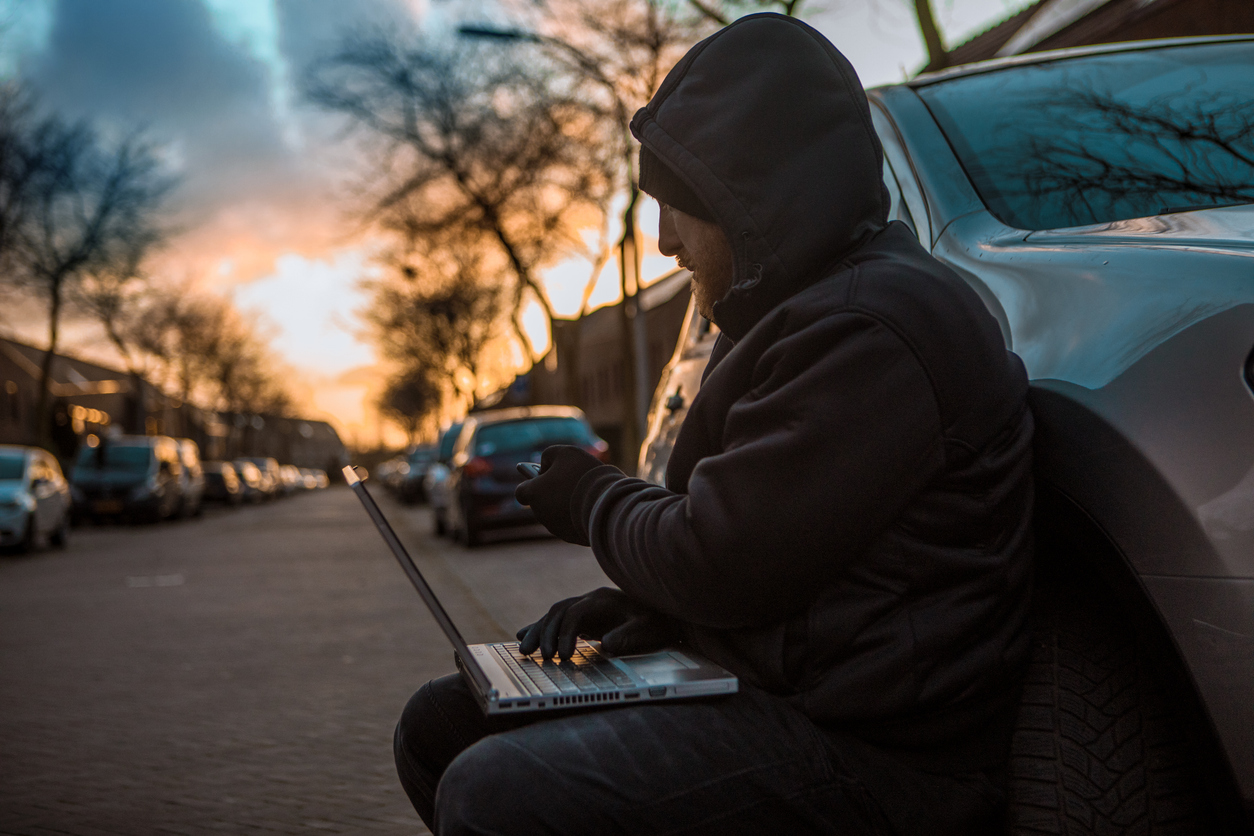
Modern vehicles are becoming harder to steal in traditional ways as safety features continue to improve, but keyless technology has created a new security problem for drivers across the UK. Criminals are increasingly using electronic relay attacks to steal cars directly from driveways without needing to physically take the keys.
You may still leave your keys near the front door, on hallway tables, or hanging on visible hooks, without realising these are among the easiest places for thieves to target. If your vehicle has keyless entry or keyless ignition, where you keep your car keys at home can make a huge difference to your security.
Understanding where to keep car keys at home is now an important part of protecting your vehicles from theft. From signal-blocking Faraday pouches to smarter storage habits, there are several practical ways to reduce the risk of keyless car theft. Let’s look into them.
What Is Keyless Car Theft?
Keyless car theft, often referred to as relay theft or a relay attack, is a method criminals use to steal vehicles equipped with keyless entry systems.
Instead of breaking into the home or physically stealing the keys, thieves use electronic devices to amplify the key fob signal inside the property. One criminal typically stands near the house while another stands next to the vehicle. The device near the house captures the key's signal and relays it to the second device near the car, effectively tricking the vehicle into thinking the key is present.
Once the car is unlocked and started, thieves can drive away within seconds.
This type of electronic car theft has become common because many modern vehicles automatically unlock when the key is nearby. A handy feature if you get back to your car with your hands full, but unfortunately, if the keys are stored near doors, windows, or external walls, the signal can sometimes be detected from outside the property, which is where thieves will take advantage.
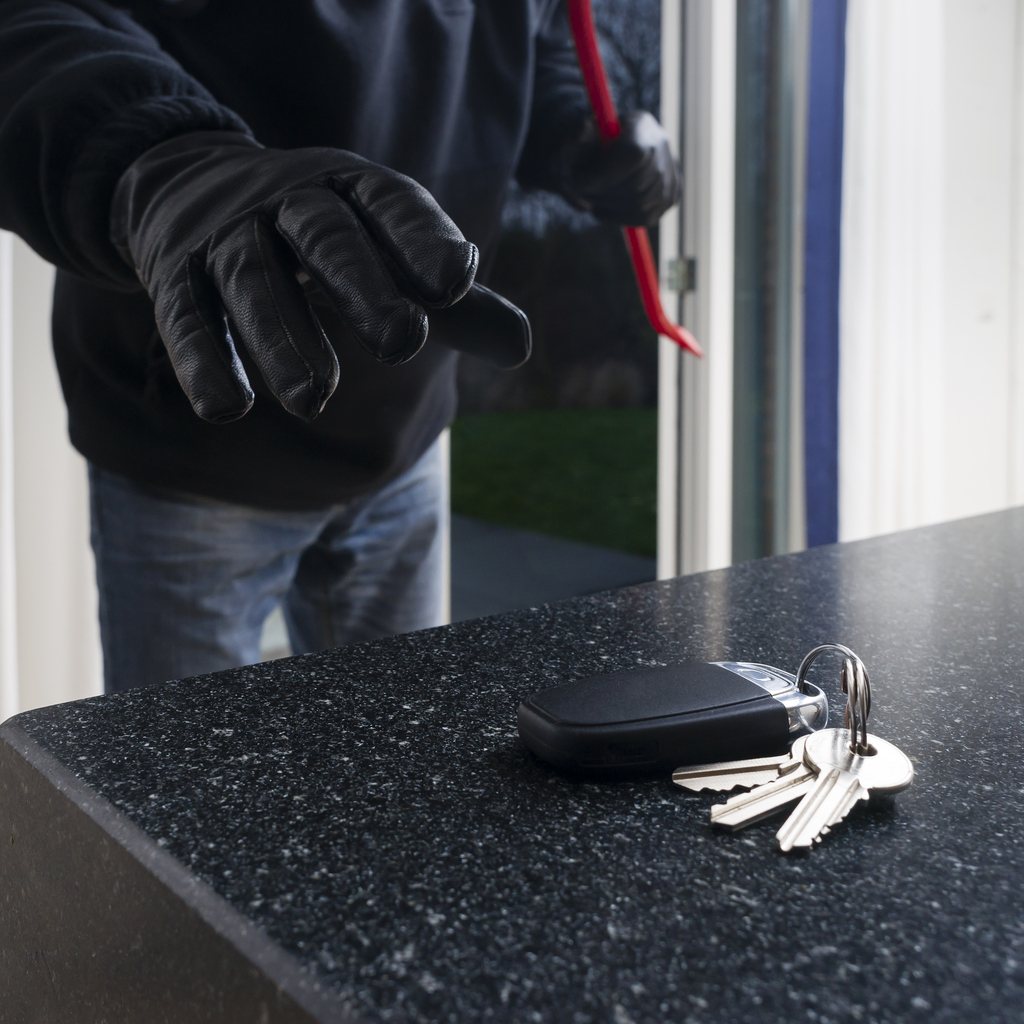
Many vehicle thefts happen because car keys are kept in predictable locations.
Common high-risk locations include:
Hallway tables
Hooks beside the front door
Kitchen counters near windows
Coat pockets close to entrances
Visible bowls or trays
These locations make it easier for criminals to both relay the signal and quickly locate the keys during burglaries.
Police forces across the UK regularly advise drivers to avoid leaving keys near entry points and to keep them well away from doors and windows wherever possible.
The further your keys are from the vehicle, the harder it becomes for thieves to capture and amplify the signal.
The Safest Place to Keep Car Keys at Home
So where should you keep them? There is no single perfect location, but combining several security habits provides the best protection against relay theft and burglary.
Keep Keys Away From Doors and Windows
One of the simplest ways to reduce the risk of keyless car theft is to store your keys as far from your vehicle as possible.
Leaving keys directly beside the front door makes it much easier for criminals to capture the signal. Moving them deeper into the property can significantly reduce the range available to thieves.
Even moving your keys from the hallway to a central upstairs room can make relay attacks far more difficult.
Store Keys Upstairs
Keeping keys upstairs creates additional physical distance between the key fob and the vehicle parked outside.
This approach is particularly effective for homes where cars are parked on driveways close to the front of the property.
Many police forces now recommend storing keys upstairs as a simple but effective theft-prevention step for keyless-entry vehicles.
Use a Faraday Pouch or Signal Blocking Box
Faraday pouches are designed to block the radio frequency signals emitted by modern keyless car keys.
When the key is placed inside the pouch, thieves should no longer be able to capture or relay the signal. Signal-blocking boxes operate similarly and can provide additional convenience for households with multiple drivers.
Faraday pouches have become one of the most popular anti-theft tools for keyless vehicles because they are affordable, portable and easy to use.
However, it is important to buy high-quality products and test them regularly, as damaged or worn pouches may stop working effectively over time.
Keep Keys Hidden but Accessible
Keys should always remain accessible in emergencies, but avoid leaving them in obvious or visible locations.
Thieves often target predictable storage habits, so visible hooks, bowls and shelves near entrances should generally be avoided.
The goal is not simply to hide the keys, but to reduce visibility, signal access and ease of theft.
Do Faraday Pouches Actually Work?
A high-quality Faraday pouch can be highly effective at preventing relay attacks when used correctly.
The pouch blocks RFID and wireless signals emitted by the key, preventing criminals from amplifying the signal outside the home.
However, not all Faraday pouches offer the same level of protection.
Cheaper products can lose effectiveness over time, particularly if the inner signal-blocking material becomes damaged through regular use.
You should be mindful to regularly test your pouch by standing next to the car while the key is sealed inside. If the vehicle still unlocks or starts, the pouch may no longer be working properly.
Signal-blocking boxes, metal tins, and dedicated RFID containers can also help reduce risk, although purpose-built Faraday products are generally considered more reliable.
Other Ways to Protect Your Car From Theft
Keeping your car keys safe is only one part of modern vehicle security. The best protection usually comes from using several layers of security together.
Steering Wheel Locks
Visible steering locks act as strong visual deterrents and make vehicles harder to steal quickly.
CCTV and Security Lighting
Motion-activated lighting and visible security cameras increase the likelihood that criminals will be identified and discourage opportunistic theft attempts.
Vehicle Trackers
GPS vehicle tracking systems can help police recover stolen vehicles more quickly.
Driveway Bollards
Physical driveway security can prevent vehicles from being driven away, even if thieves gain access.
OBD Port Protection
Some criminals use the vehicle’s onboard diagnostics port to bypass security systems. OBD locks and covers can help reduce this risk.
Software Updates
Manufacturers regularly release security updates for keyless systems, so keeping vehicle software up to date is important.
Are Some Cars More Vulnerable to Keyless Theft?
Vehicles equipped with keyless entry systems are generally considered more vulnerable to relay theft than traditional vehicles that require a physical key. Criminals can exploit wireless signals transmitted between the vehicle and key fob, making certain models attractive targets, particularly those with strong resale demand or links to organised vehicle crime networks.
However, manufacturers have responded by introducing increasingly sophisticated security measures designed to combat keyless theft. Many newer vehicles now feature technologies such as ultra-wideband (UWB) communication, motion-sensing key fobs, enhanced signal encryption and advanced immobiliser systems. Some keys can even enter a sleep mode when left stationary, preventing criminals from amplifying their signal.
While these innovations have improved vehicle security, no system is entirely immune to theft. Regardless of your vehicle's make, model, or age, you still need to follow good security practices, including storing keys securely at home and taking sensible precautions to reduce the risk of vehicle theft.
Are you looking for your next lease vehicle? If you have questions about model safety, speak to our team about your best options
Frequently Asked Questions
What is the safest place to keep car keys at home?
The safest place to keep car keys at home is away from doors, windows, and external walls, ideally upstairs, and stored inside a Faraday pouch or signal-blocking box. This reduces the risk of relay theft by making it harder for criminals to capture the signal from keyless entry systems.
Do Faraday pouches really work?
Yes, high-quality Faraday pouches can effectively block the signal emitted by keyless car keys and help prevent relay attacks. However, they should be tested regularly to ensure the signal-blocking material is still working properly.
Can thieves steal cars through walls?
Yes. Relay theft devices can sometimes capture key signals through doors, windows, and even walls if the key is stored close enough to the property's exterior.
Should car keys be kept upstairs?
Keeping car keys upstairs can help reduce the risk of relay theft by increasing the distance between the keys and the vehicle parked outside.
How far away should car keys be from the car?
There is no exact distance, but the further away the keys are from the vehicle and external walls, the harder it becomes for criminals to amplify the signal.
What is a relay attack?
A relay attack is a method of electronic vehicle theft where criminals use signal amplifiers to capture and extend the signal from a keyless car key inside a home.
Can keyless cars be made secure?
While no vehicle is completely theft-proof, using Faraday pouches, steering wheel locks, trackers, and good key storage habits can significantly reduce the risk of theft.
Are metal tins effective for blocking car key signals?
Some metal tins may partially block signals, but dedicated Faraday pouches and signal-blocking boxes are generally more reliable and specifically designed for keyless car security.
Can car insurance refuse a theft claim?
Insurance claims are assessed individually, but insurers may investigate whether reasonable precautions were taken to secure the vehicle and keys.
Are older cars safer from keyless theft?
Older cars without keyless entry systems are generally less vulnerable to relay theft because they do not emit the same wireless key signals as modern keyless vehicles.
What's next?
Enjoyed this? Read our latest news
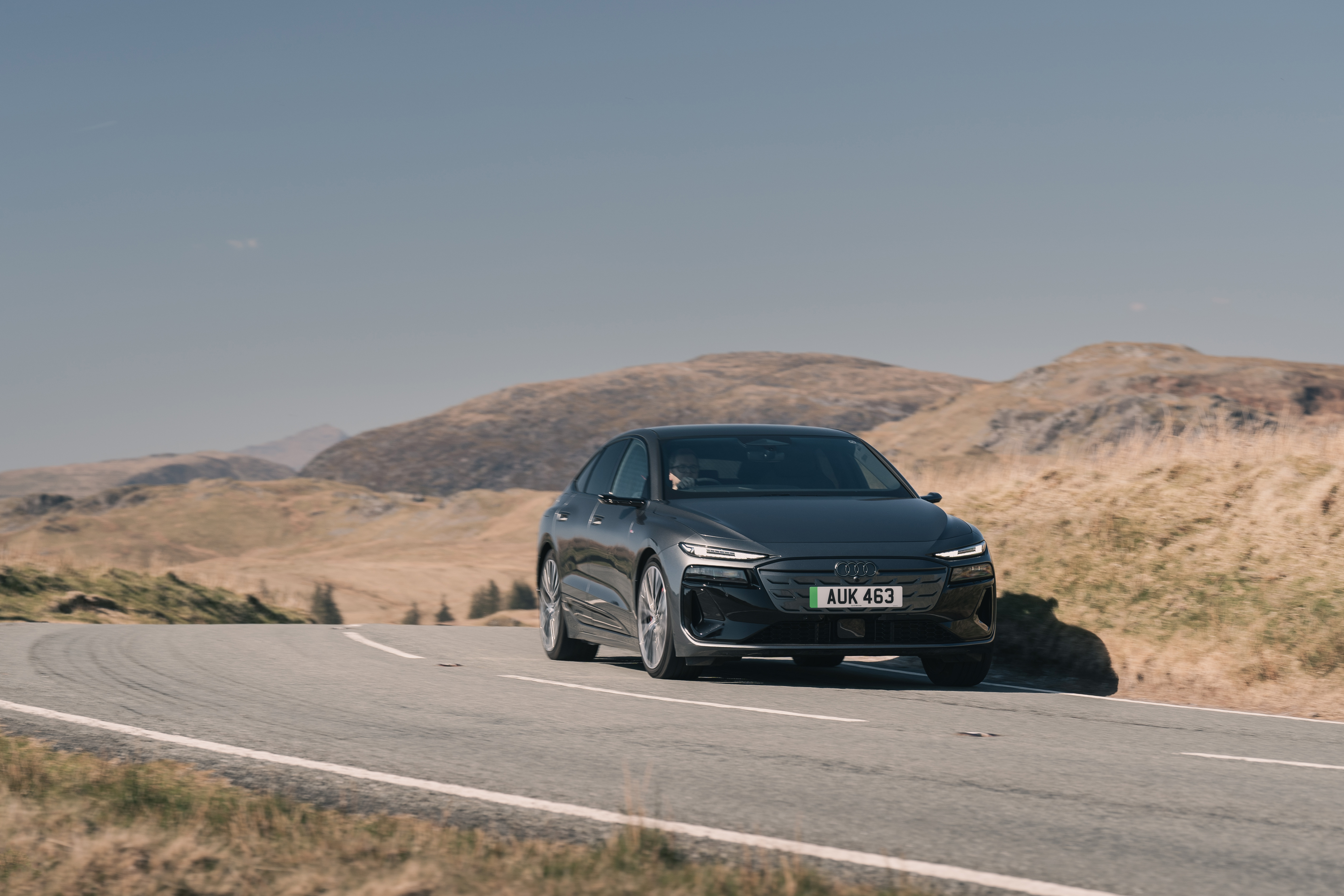
Audi Q6 e-tron Review
Read our expert Audi Q6 e-tron review. Discover range, charging, practicality, performance and whether an Audi Q6 e-tron lease is right for you.
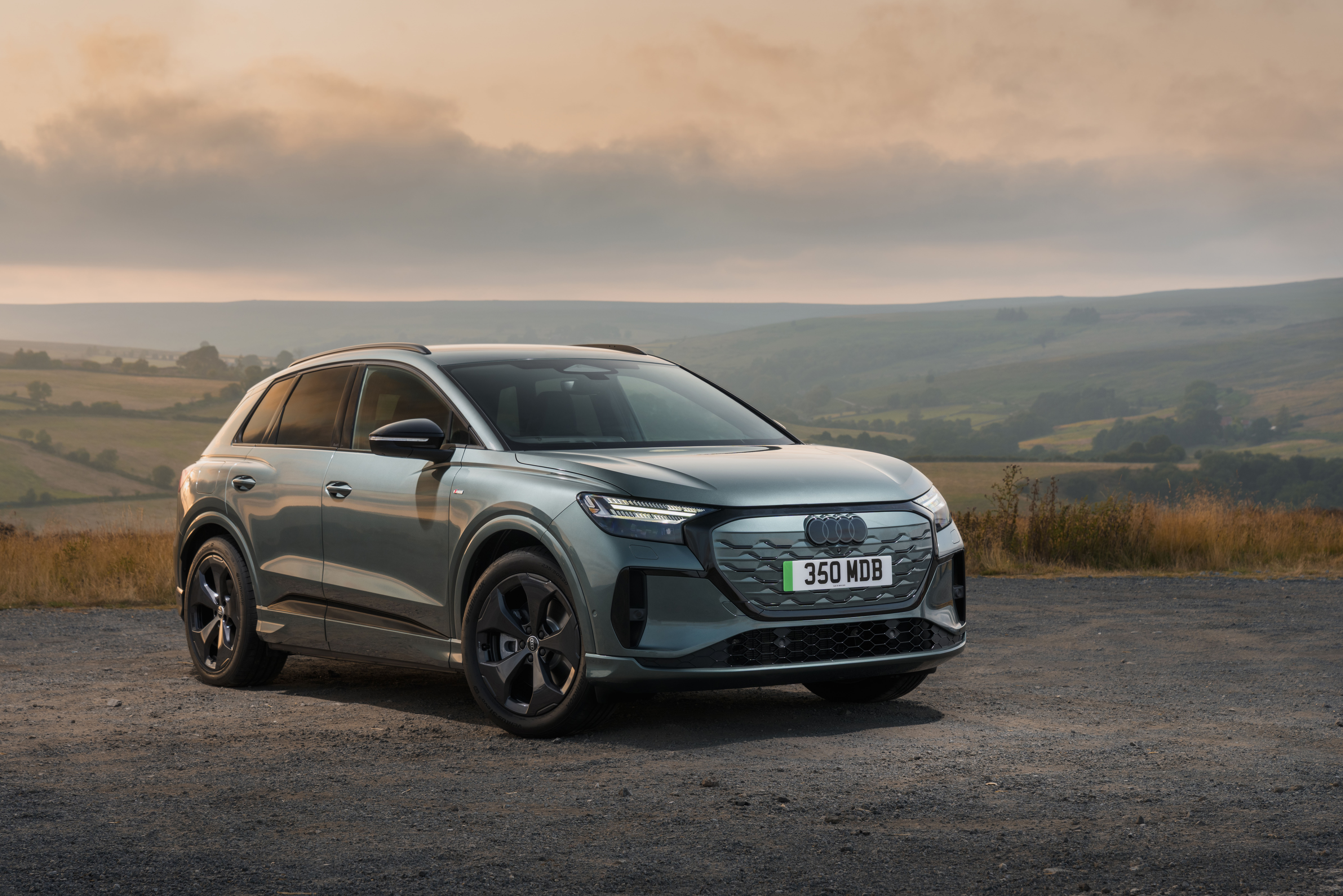
Audi Q4 e-tron Review
Thinking about leasing an Audi Q4 e-tron? Our expert review covers driving performance, interior quality, range, charging, practicality and how it compares with its biggest rivals.
Audi e-tron GT Review
Read our expert Audi e-tron GT review. Discover performance, range, charging, practicality and whether an Audi e-tron GT lease is the right choice for you.
Customer Stories
We've helped over 1,000+ customers find their dream car, hear what they have to say.
Read more reviews“As usual, top class service. The team at Motorlet provided first class service from beginning to end with the friendly helpful expertise of Josh and Wendy. Will continue to use their services as I have done for the past six years...” Keep reading
Diane Parish | Audi Q5