







A Guide to Towing Electric Cars
Thinking of towing a caravan or trailer with your EV? We break down what’s possible, what to check, and which electric cars can handle the job.
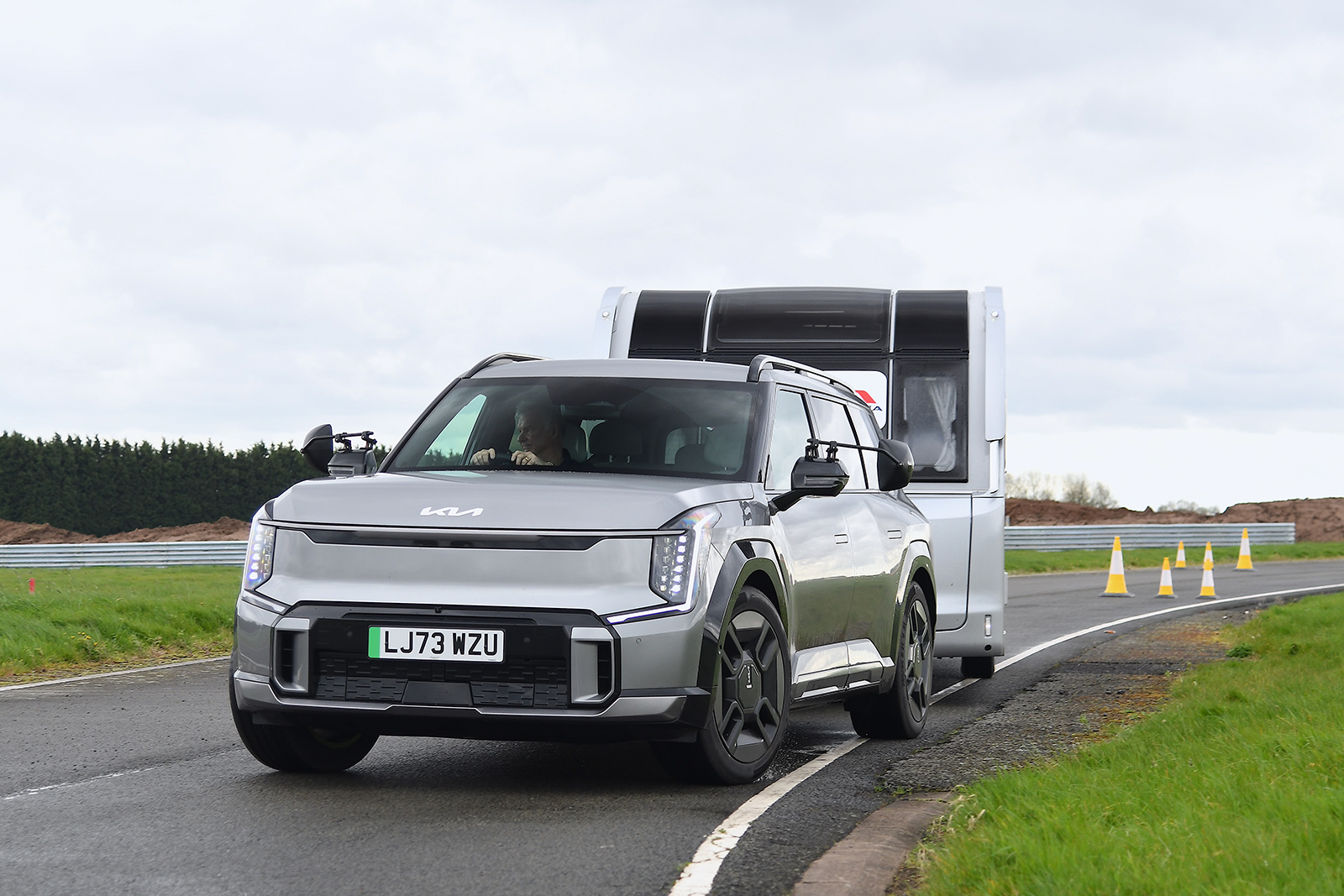
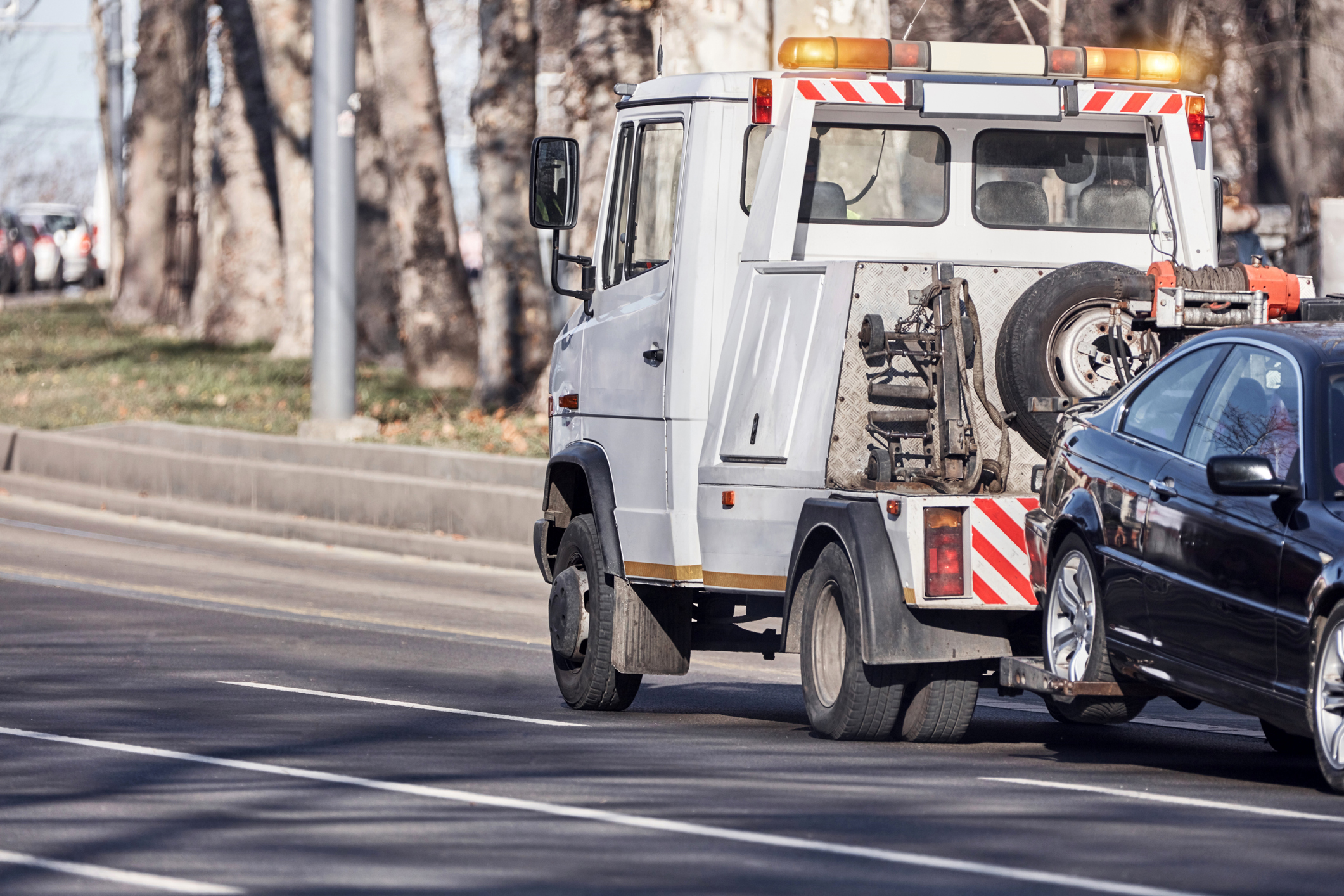
As electric vehicles (EVs) become more common on UK roads, many drivers are asking an important question: can you tow an electric car? Whether you’ve broken down, run out of charge, or need vehicle recovery, towing an EV is very different from towing a petrol or diesel car.
We’ll explain how electric cars should be towed, what you should never do, and why specialist recovery is often essential. If you drive an EV or manage vehicles as part of a fleet, understanding the correct towing process can help prevent costly damage and keep everyone safe.
Can You Tow an Electric Car?
The short answer is: yes, electric cars can be towed, BUT only in very specific ways.
Unlike traditional vehicles, electric cars use electric motors connected directly to the wheels. Incorrect towing can cause serious damage to the motor, drivetrain, or battery system. In many cases, towing an EV incorrectly may even void the manufacturer’s warranty.
That’s why most EV manufacturers strongly recommend professional recovery rather than traditional towing.
Why Towing Electric Cars Is Different
Electric vehicles work very differently from internal combustion engine (ICE) cars. Understanding these differences explains why towing rules are stricter.
Electric Motors Are Always Engaged
In many EVs, the motor remains connected to the wheels even when the car is switched off. If the wheels turn during towing, electricity can be generated unintentionally, potentially damaging the motor or power electronics.
Regenerative Braking Systems
EVs use regenerative braking to recover energy while slowing down. When towed incorrectly, this system can activate unpredictably, increasing resistance or causing internal damage.
Heavy Battery Weight
EV batteries are extremely heavy, affecting balance and weight distribution. This makes improper towing riskier and increases the chance of instability.
So, How Should Electric Cars Be Towed?
Flatbed Recovery (Recommended Method)
The safest and most widely recommended method for towing an electric car is flatbed recovery.
With this approach:
All four wheels are lifted off the ground
The vehicle remains completely stationary during transport
There is no risk of drivetrain or motor damage
Most manufacturers, including Tesla, Nissan, Hyundai, Kia, Volkswagen, and BMW, specify flatbed recovery as the preferred option in their owner manuals.
Wheel Dollies (Limited Use)
In some cases, wheel dollies may be used to lift the driven wheels off the road while towing. However:
This must align with the manufacturer’s guidelines
Not all EVs allow this method
Incorrect use can still cause damage
Wheel dollies are usually only considered when flatbed recovery isn’t immediately available.
Methods You Should Never Use to Tow an Electric Car
1. Traditional Tow Rope or Tow Bar
Towing an EV with a rope or rigid tow bar, where the wheels roll freely, is not safe for most electric cars and should be avoided.
2. Two Wheels on the Ground
Dragging an EV with only the front or rear wheels lifted can damage the motor, inverter, or battery system unless explicitly approved by the manufacturer.
3. Long-Distance Towing
Even if a short emergency move is permitted, long-distance towing is rarely allowed and can cause irreversible damage.
What If Your Electric Car Has Broken Down?
If your electric car breaks down, the best course of action is to contact a recovery provider experienced with EVs. Common EV-related breakdowns include:
Flat or damaged tyres
Electrical faults
Software errors
Accidental battery depletion
Charging system failures
Unlike fuel vehicles, EVs cannot be “jump started” in the traditional sense, and running out of charge often requires specialist recovery rather than roadside fixes.
This is why EV-specific breakdown cover is increasingly important for UK drivers.
What If Your EV Runs Out of Charge?
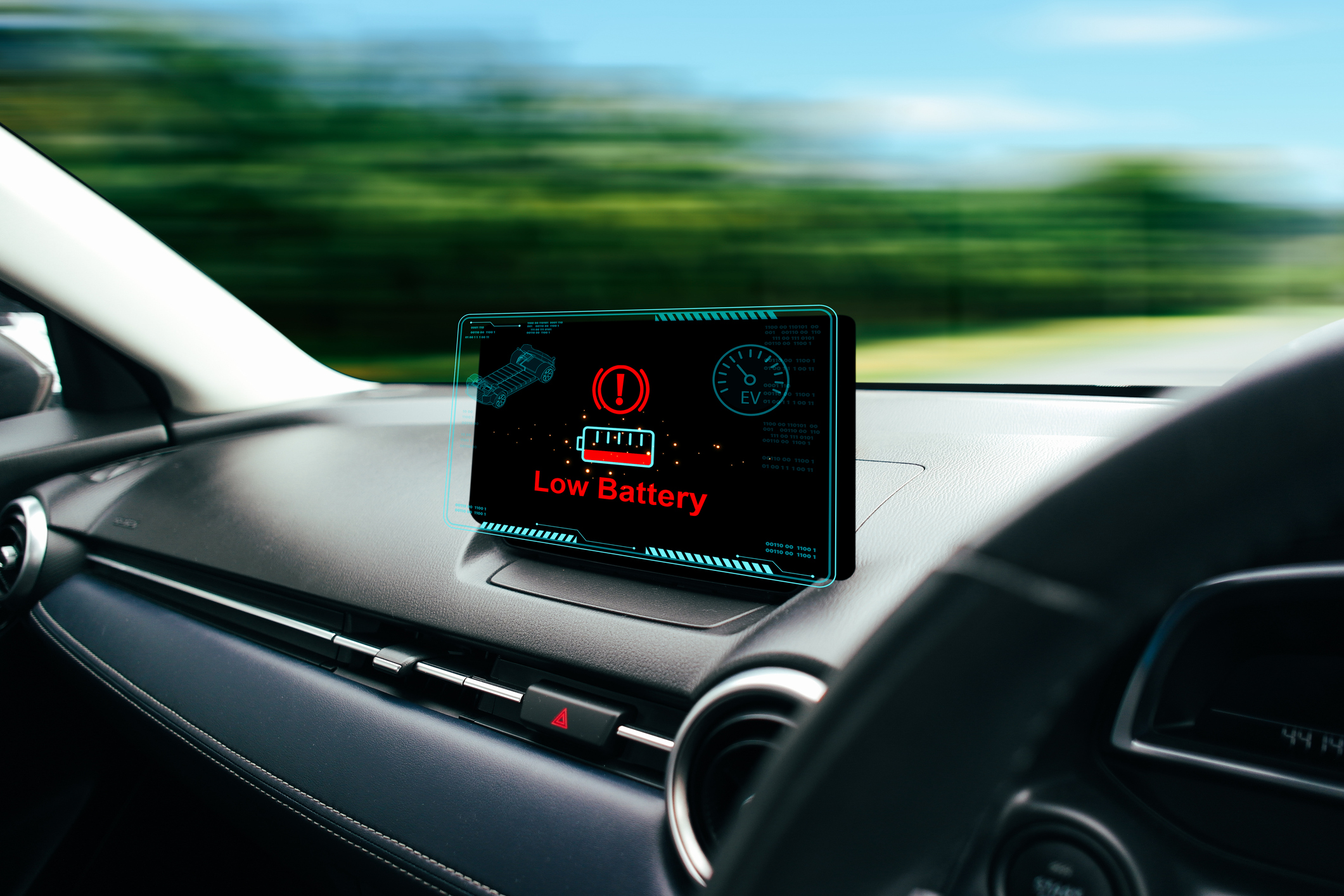
Running out of charge, sometimes referred to as “range anxiety”, is more common than many drivers expect, especially in winter or on longer journeys.
When an EV battery is fully depleted:
The vehicle cannot be pushed safely for long distances
Regenerative braking may be disabled
Steering and braking assistance may be reduced
In these situations, towing to a charging point is not recommended unless the vehicle is fully lifted. Professional recovery to a charging location or home is the safest solution.
Always Check the Manufacturer Guidelines First
Every electric vehicle model has its own towing rules. Some examples include:
Tesla: Flatbed recovery only
Nissan Leaf: Flatbed preferred, wheel dollies permitted in limited cases
Volkswagen ID range: Flatbed recovery recommended
Hyundai & Kia EVs: Flatbed recovery advised
Always check the owner’s manual or manufacturer guidance before any towing attempt.
Towing Electric Cars for Fleets and Businesses
For businessesee operating electric teets, improper towing can result in:
Expensive repairs
Vehicle downtime
Warranty issues
Insurance complications
Fleet managers should ensure drivers know:
What to do in the event of a breakdown
Who to contact for EV-safe recovery
Why EVs should never be towed like petrol or diesel vehicles
Having access to reliable, EV-aware recovery services is essential for minimising disruption.
Is Towing an Electric Car Illegal in the UK?
There is no law in the UK that bans towing electric cars, but:
You must follow manufacturer guidance
Unsafe towing may invalidate insurance
Incorrect recovery could lead to liability issues if damage occurs
In practice, this means that professional recovery is almost always the safest and most compliant option.
Do Electric Cars Have Tow Hooks?
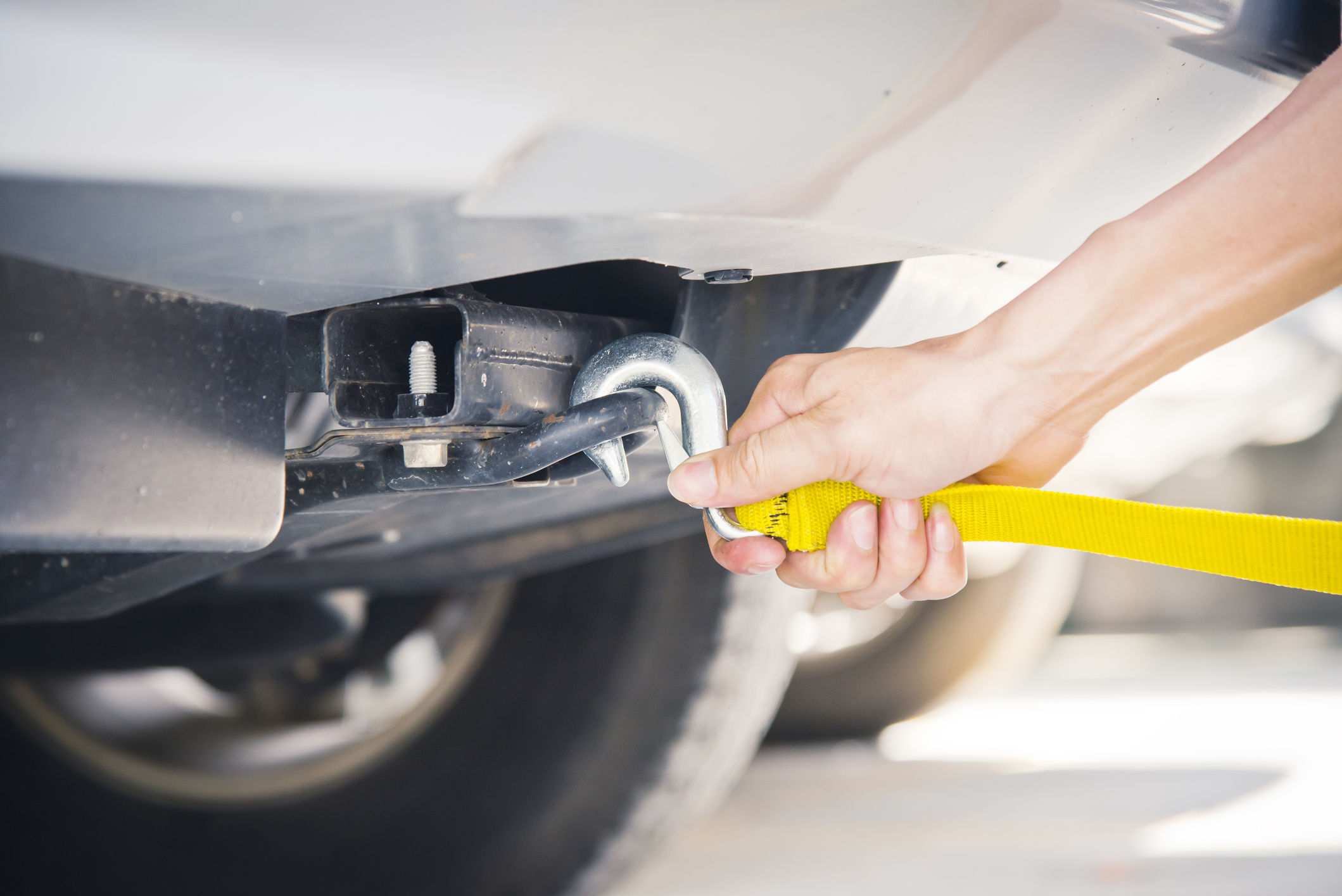
Most electric cars do have tow hook mounting points, usually hidden behind a panel in the bumper. However:
Tow hooks are often designed for short-distance manoeuvring
They are not intended for long-distance towing
Using them incorrectly can still cause damage
Tow hooks should only be used in accordance with manufacturer instructions.
Towing Electric Cars FAQs
Can you tow an electric car with another car?
In most cases, no. Towing an EV with a rope or bar can damage the drivetrain unless the manufacturer explicitly allows it.
Can an electric car be towed to a charging station?
Only if it is transported on a flatbed or with all driven wheels lifted off the ground.
What happens if an EV is towed incorrectly?
Incorrect towing can cause damage to the motor, battery, or power electronics, potentially resulting in costly repairs.
Is EV recovery more expensive?
EV recovery can sometimes cost more due to specialist equipment, but EV-specific breakdown cover can help reduce these costs.
The Importance of EV-Specific Breakdown Cover
As electric vehicles become the norm, breakdown and recovery services must adapt. EVs require:
Specialist handling
Correct recovery equipment
Knowledge of manufacturer requirements
Choosing breakdown cover that understands electric vehicles can make all the difference when something goes wrong.
Towing Electric Cars Safely
Towing an electric car isn’t impossible, but it must be done correctly. Flatbed recovery is almost always the safest option, and professional assistance is strongly recommended.
Whether you’re a new EV owner, managing a fleet, or simply planning ahead, understanding how electric cars should be towed can save time, money, and stress.
As EV ownership continues to grow across the UK, having the right knowledge and the right support has never been more important.
If you’re leasing an electric vehicle and would like more information, our knowledgeable team can point you in the right direction, simply get in touch! Drivers who already own an EV may also find our guides helpful for understanding everyday ownership and what to do if something goes wrong.
What's next?
Enjoyed this? Read our latest news
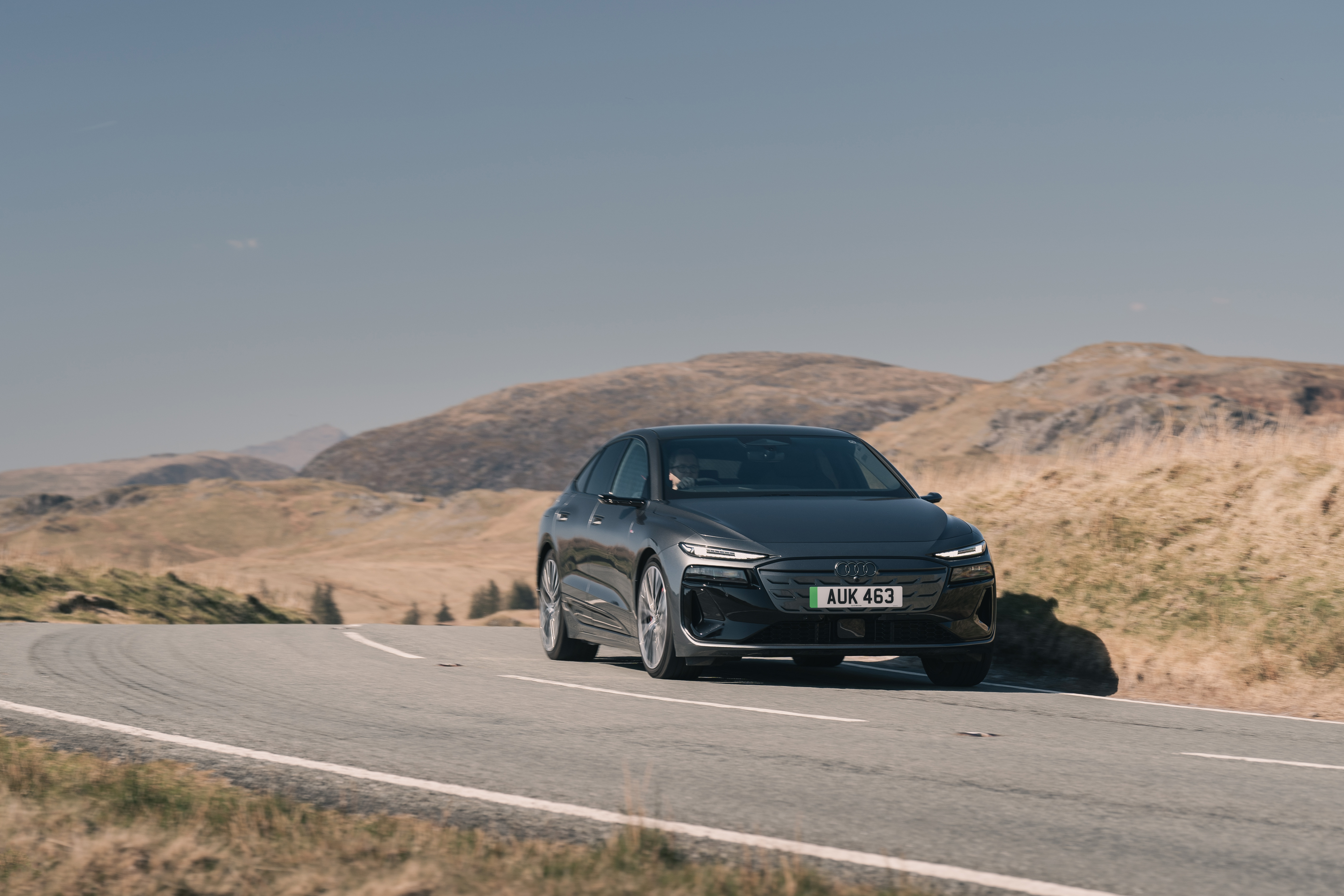
Audi Q6 e-tron Review
Read our expert Audi Q6 e-tron review. Discover range, charging, practicality, performance and whether an Audi Q6 e-tron lease is right for you.
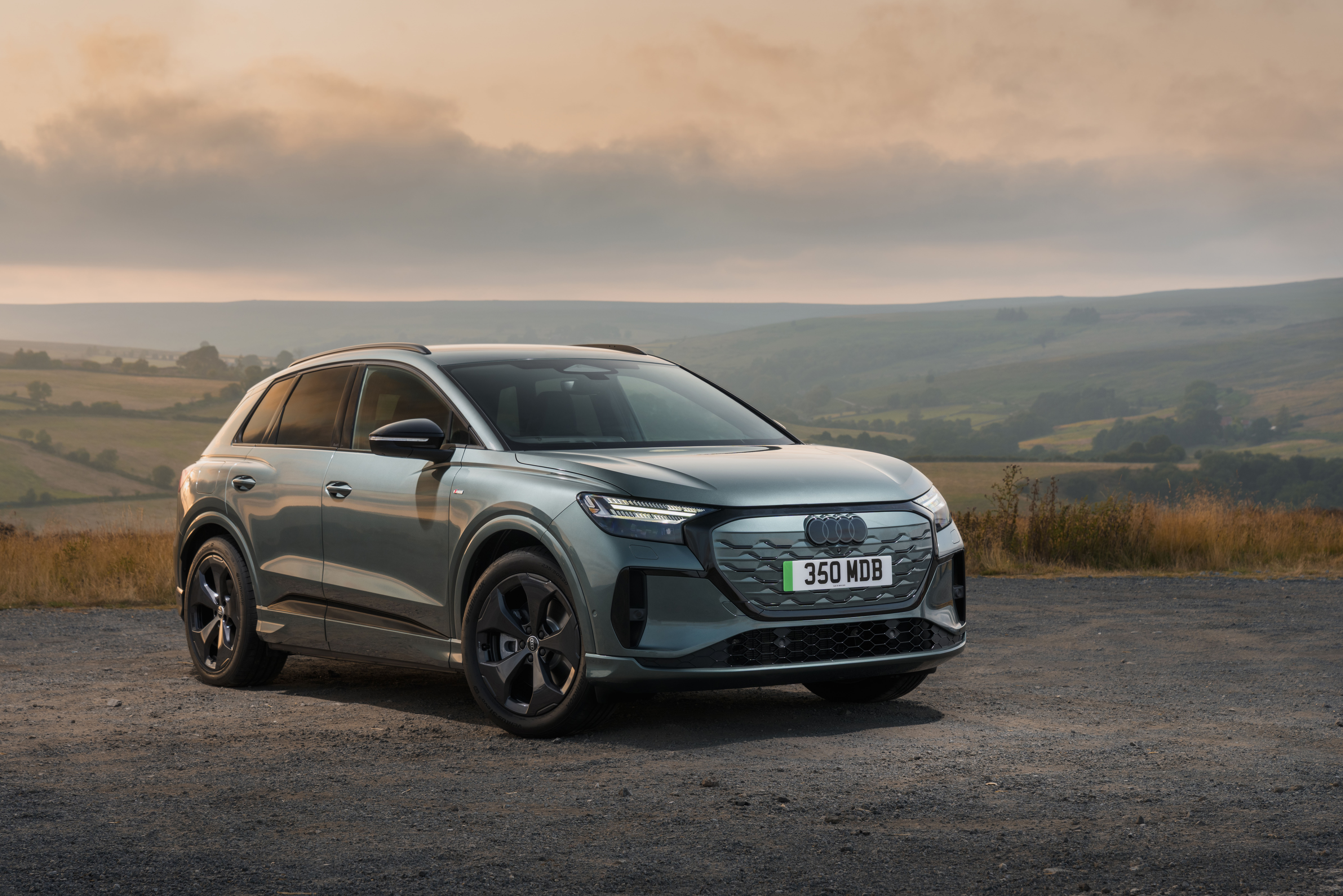
Audi Q4 e-tron Review
Thinking about leasing an Audi Q4 e-tron? Our expert review covers driving performance, interior quality, range, charging, practicality and how it compares with its biggest rivals.
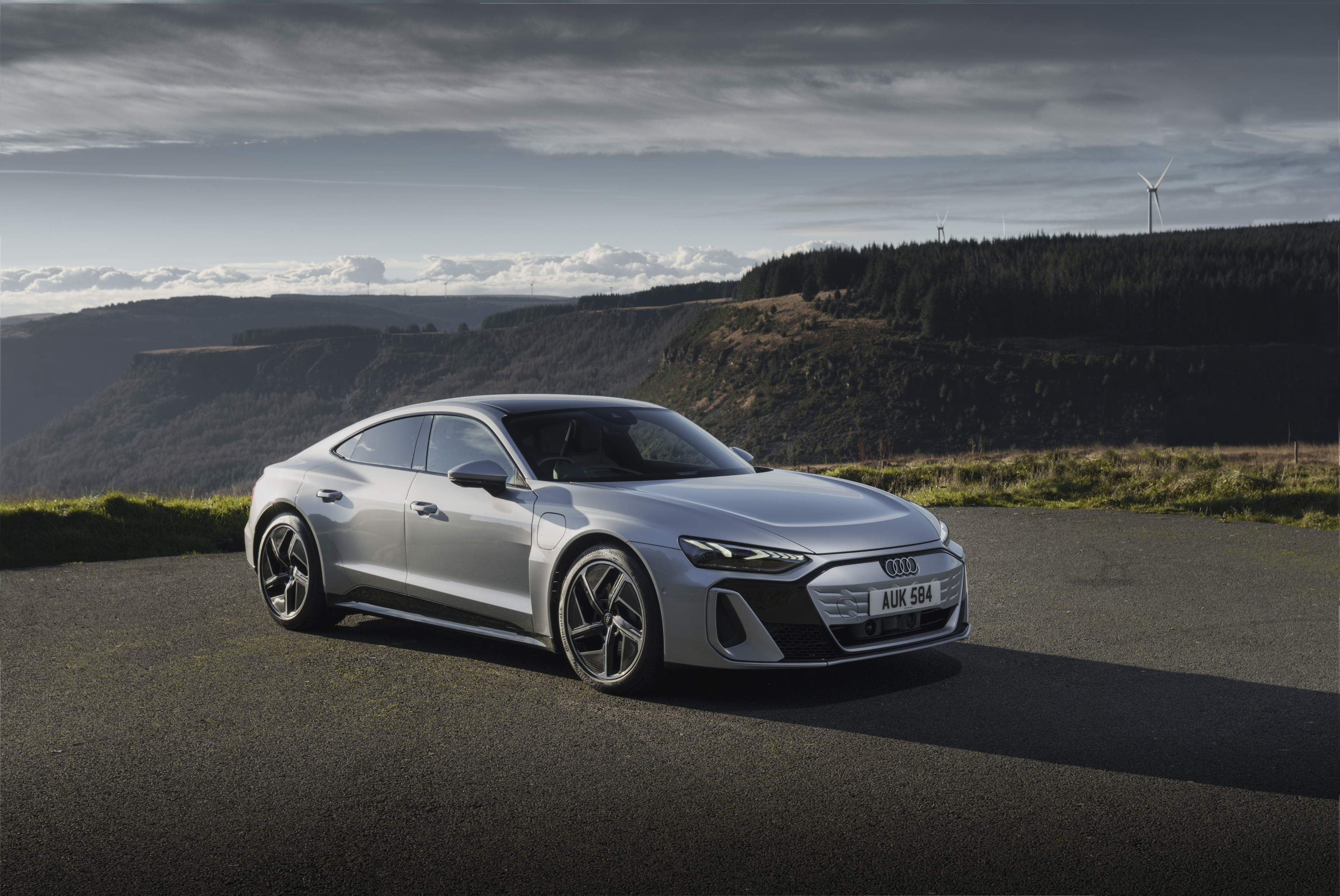
Audi e-tron GT Review
Read our expert Audi e-tron GT review. Discover performance, range, charging, practicality and whether an Audi e-tron GT lease is the right choice for you.
Customer Stories
We've helped over 1,000+ customers find their dream car, hear what they have to say.
Read more reviews“As usual, top class service. The team at Motorlet provided first class service from beginning to end with the friendly helpful expertise of Josh and Wendy. Will continue to use their services as I have done for the past six years...” Keep reading
Diane Parish | Audi Q5