







Highway Code Changes – What’s New for Drivers?
From priority rules to mobile phone laws – here’s what’s changed in the Highway Code and how it affects your everyday driving.

Speed Limits in the UK – A Simple, No-Nonsense Guide
Speed limits are one of those things you think you’ve got down… until you find yourself cruising through a country lane wondering if 60 mph is still okay, or realising too late that you’ve missed a 20 zone sign near a school.
If that sounds familiar, you’re not alone – and that’s exactly why we’ve put together this guide. It’s a straight-talking, easy-to-follow breakdown of UK speed limits, with none of the fluff and all of the “oh, that makes sense.”
🚦 So, what actually is the speed limit?
The UK has standard speed limits depending on the type of road you’re on and the kind of vehicle you’re driving. If there are no speed limit signs, these are the defaults:
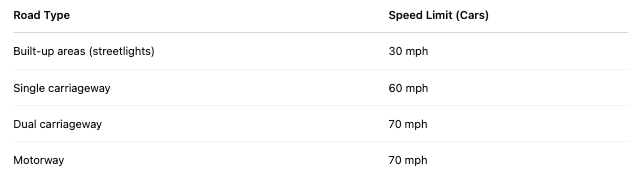
You’ll know you’ve hit a road with the national speed limit when you see that white circular sign with the black diagonal line. Classic.
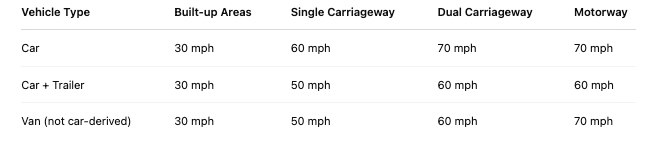
🛻 Driving a van or towing something? Read this.
If you're in something a bit heavier – like a van or you’re towing a trailer – your limits are lower.
Cars towing trailers:
30 mph in built-up areas
50 mph on single carriageways
60 mph on dual carriageways
60 mph on motorways
(And nope – you’re not allowed in the outside lane on a motorway with three lanes.)
Most vans (not car-derived):
30 mph in built-up areas
50 mph on single carriageways
60 mph on dual carriageways
70 mph on motorways
If you’re not sure if your van counts as car-derived or not, feel free to ask us – we’re happy to help.
⚠️ Smart motorways and variable limits
Ever driven under one of those overhead signs with a flashing “50” on it? That’s a variable speed limit – and yep, it’s legally enforceable.
These are used on smart motorways to help with traffic flow or when there’s an incident ahead. Basically, if the sign says slow down, do it – even if the road feels like it could handle more.
🏘️ The rise of the 20 mph zone
You’ve probably noticed them popping up everywhere – near schools, parks, and in quiet residential areas. These are becoming the new normal in a lot of places, especially in towns and cities.
They’re there for safety, and they’re often monitored by cameras or speed bumps. So if you see a sign or feel like you're in a very pedestrian-y place, it’s probably a 20. Stick to it.
🧠 How to remember what’s what
Here are a few simple rules of thumb:
If there are streetlights and no signs? It’s probably 30.
Country road with no signs? Likely 60.
On a dual carriageway or motorway with no limit signs? It’s 70 (unless you’re towing).
If the signs tell you something different? Go with that. Always.
And never rely solely on your sat nav – they’re not always up to date, especially with newer zones or roadworks.
✅ Quick reference: Cars vs. towing vs. vans
🏁 Final thoughts
Speed limits might not be the most exciting topic, but they really matter. They keep people safe, make roads easier to navigate, and can help you avoid points, fines, or worse.
So here’s your takeaway:
Pay attention to signs
Don’t assume every road is the same
And when in doubt? Slow it down – no one ever regrets taking it steady
If you're ever unsure about speed limits, vehicle types, or anything lease-related, just drop us a message. We're not here to judge – just to help you enjoy the drive.
What's next?
Enjoyed this? Read our latest news
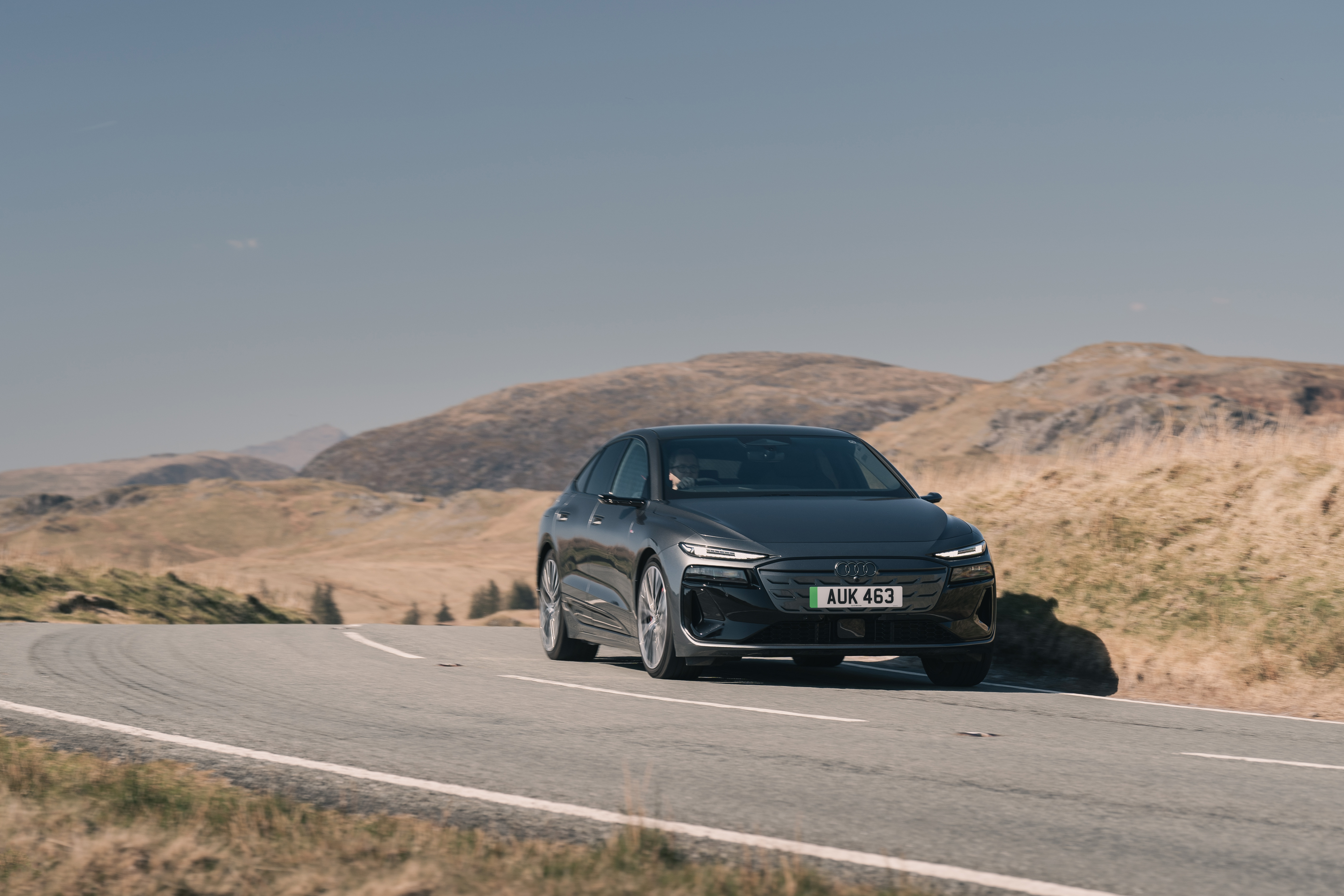
Audi Q6 e-tron Review
Read our expert Audi Q6 e-tron review. Discover range, charging, practicality, performance and whether an Audi Q6 e-tron lease is right for you.
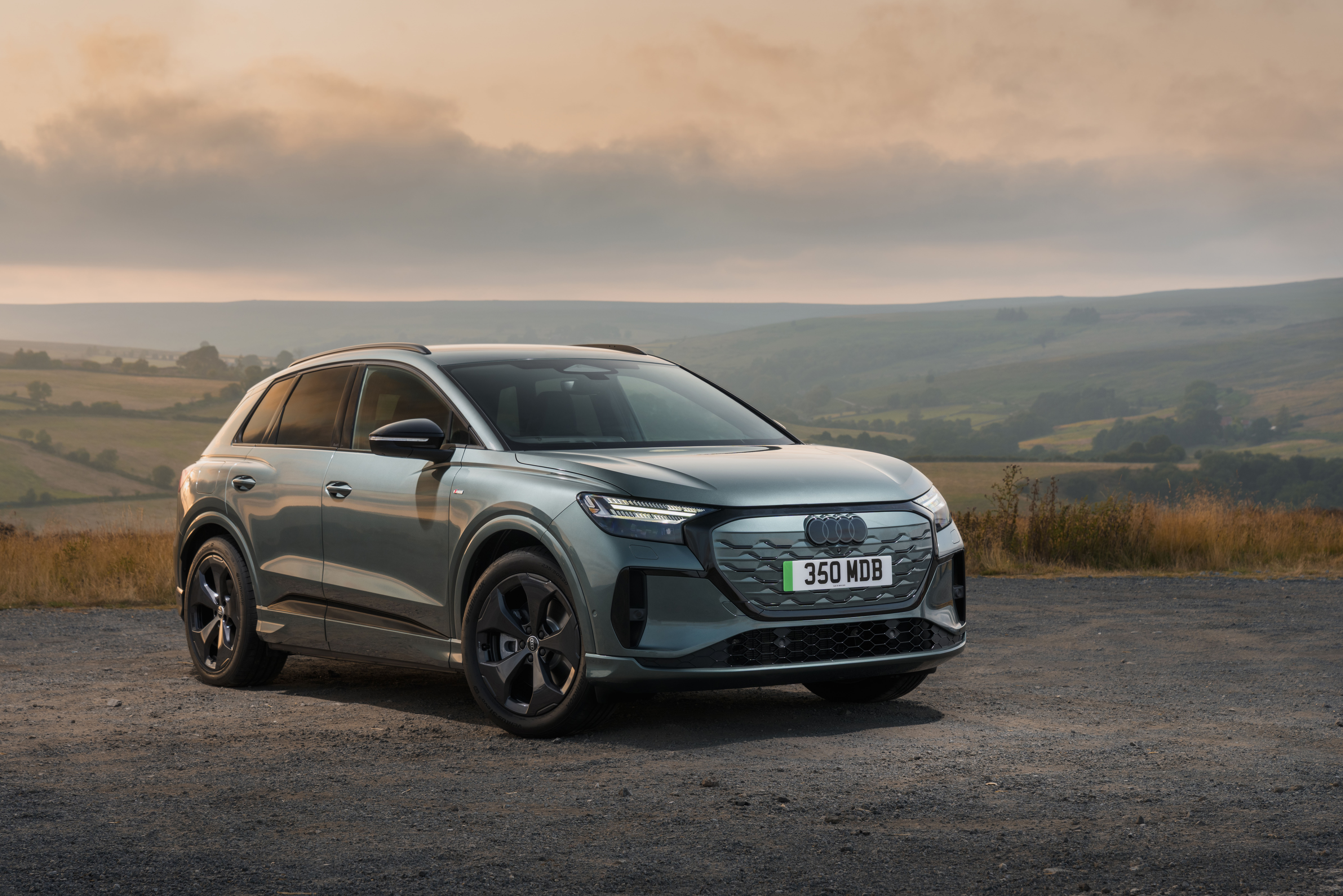
Audi Q4 e-tron Review
Thinking about leasing an Audi Q4 e-tron? Our expert review covers driving performance, interior quality, range, charging, practicality and how it compares with its biggest rivals.
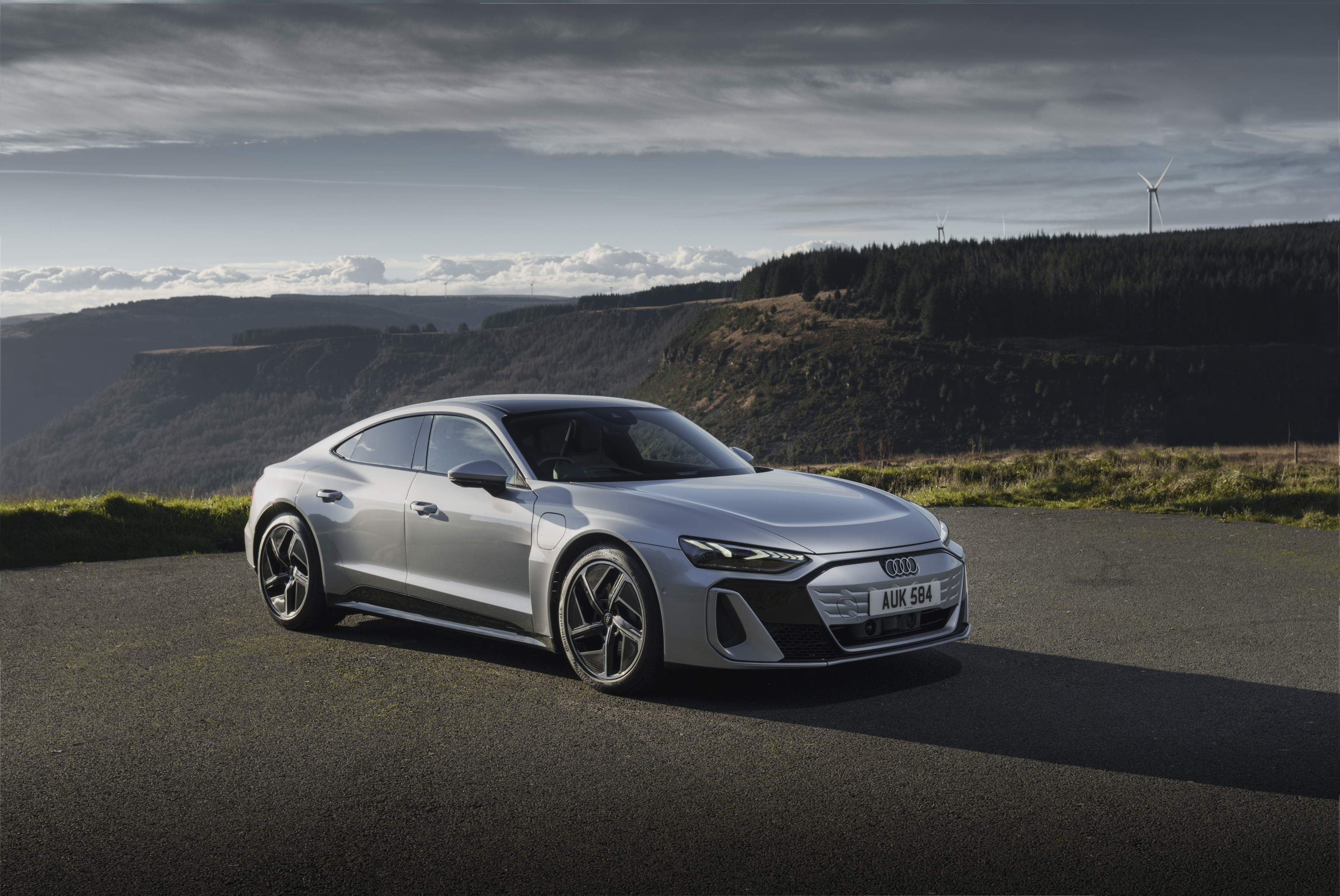
Audi e-tron GT Review
Read our expert Audi e-tron GT review. Discover performance, range, charging, practicality and whether an Audi e-tron GT lease is the right choice for you.
Customer Stories
We've helped over 1,000+ customers find their dream car, hear what they have to say.
Read more reviews“As usual, top class service. The team at Motorlet provided first class service from beginning to end with the friendly helpful expertise of Josh and Wendy. Will continue to use their services as I have done for the past six years...” Keep reading
Diane Parish | Audi Q5