







What Will Improve Fuel Consumption? 11 Proven Ways to Improve Fuel Efficiency

Watching the numbers race up on the fuel pump isn't anyone's idea of a good time. If it feels like you're filling up more often than you used to, you're certainly not alone. Fortunately, improving fuel consumption doesn't have to mean crawling along at 40mph or banning the air conditioning forever.
Improving fuel consumption means getting more miles from every litre of fuel, and it's the small habits that make the biggest difference. Driving a little more smoothly, checking your tyre pressures every now and then and keeping your car properly serviced can all improve fuel efficiency without adding any extra time to your journey.
Of course, there's only so much you can ask of an older car. Modern petrol, hybrid and plug-in hybrid models are far more economical than many vehicles built a decade ago, which is why switching to a newer lease can sometimes have a bigger impact than any driving tip.
In this guide, we'll look at what really improves fuel consumption, bust a few stubborn fuel-saving myths and share practical ways to keep more money in your pocket the next time you visit the petrol station.
What Does Fuel Consumption Mean?
Before diving into the fuel-saving tips, let's clear up one bit of jargon. Fuel consumption and fuel efficiency are often used as though they mean exactly the same thing, but there's a subtle difference.
Fuel consumption is simply how much fuel your car uses to get from A to B. Fuel efficiency is how far that fuel takes you. In the UK, it's usually measured in miles per gallon (MPG), so the higher the MPG, the fewer stops you'll be making at the petrol station. That's good news for both your wallet and your weekend plans.
When you're comparing cars, you'll also come across WLTP fuel economy figures. These are standardised test results that make it easier to compare one model with another. They're useful, but don't be surprised if your real-world MPG doesn't match the brochure. Rush-hour traffic, cold mornings, hilly roads and an enthusiastic right foot can all affect how much fuel your car actually uses.
Think of WLTP figures as a benchmark rather than a guarantee. A car that's officially rated at 55 MPG might comfortably achieve that on a steady motorway run, but spend a week tackling school runs and stop-start traffic, and the numbers will probably tell a different story.
The encouraging part is that many of the biggest influences on improving fuel consumption are things you can control. A few smarter driving habits and a bit of routine maintenance can often make more difference than most people expect.
Fuel Consumption vs Fuel Efficiency
| Term | What It Means |
|---|---|
| Fuel consumption | The amount of fuel your car uses over a given distance. |
| Fuel efficiency | How far your car can travel using a set amount of fuel, usually measured in MPG. |
| Higher MPG | Better fuel efficiency and lower running costs. |
| Lower MPG | More fuel used to travel the same distance. |
What Improves Fuel Consumption the Most?
If you're hoping there's one magic trick that will transform your MPG overnight, we're afraid there isn't. However, a handful of simple habits can make a genuine difference, and they don't involve driving everywhere at walking pace with the heating switched off.
Some changes save more than others, which is why it's worth focusing on the habits that make the biggest impact first. Here's how some of the most effective fuel-saving tips compare.
| Fuel-Saving Tip | Potential Impact | Difficulty |
|---|---|---|
| Drive smoothly and avoid harsh acceleration | High | Easy |
| Maintain a steady speed | High | Easy |
| Keep tyres at the correct pressure | Medium | Easy |
| Reduce unnecessary weight | Medium | Easy |
| Stay on top of servicing | Medium | Medium |
| Remove roof bars or roof boxes when not in use | Medium | Easy |
| Avoid unnecessary idling | Low to medium | Easy |
Let’s break down each fuel consumption improvement strategy to see which ones make the most difference to your bank account every month.
1. Keep Your Tyres Properly Inflated
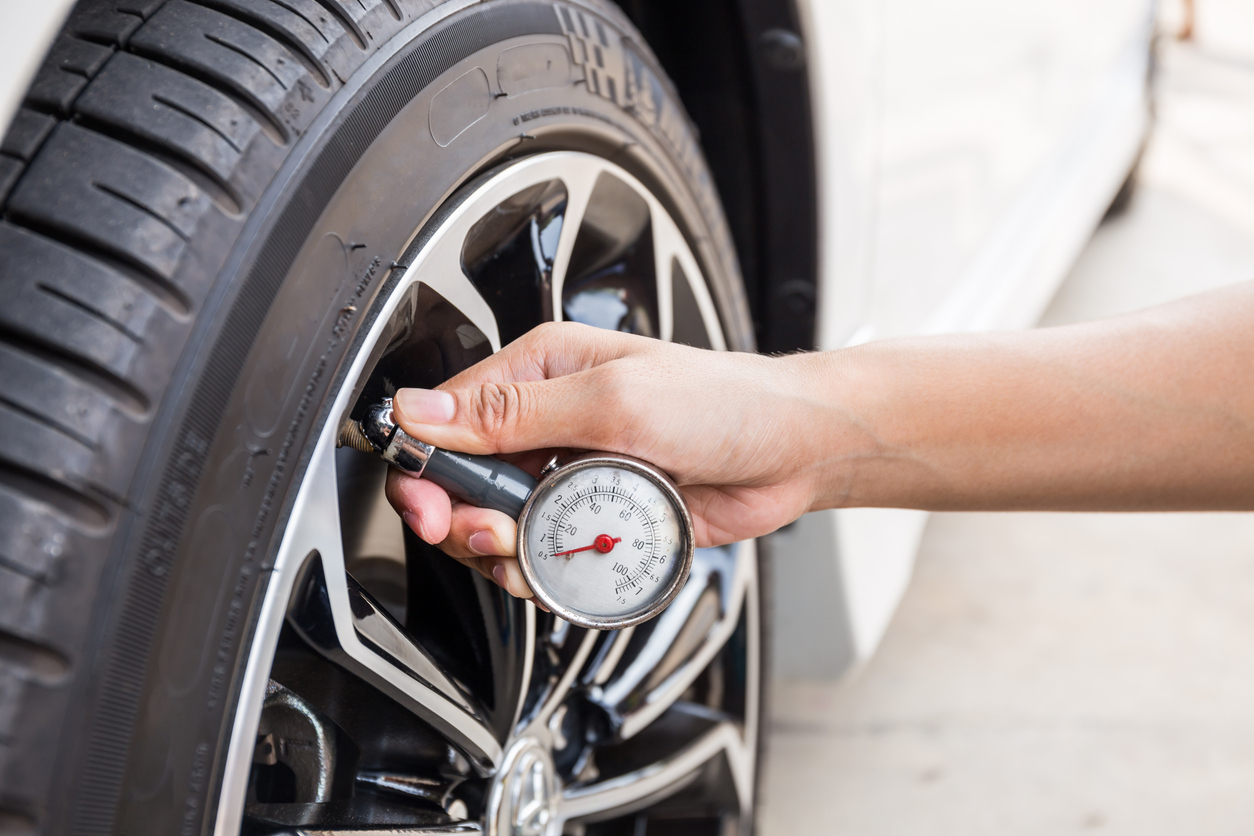
Checking your tyre pressures probably isn't high on anyone's list of exciting weekend activities. Most of us only think about them when the warning light pops up or one of them looks suspiciously flat.
The trouble is that under-inflated tyres make your engine work harder than it needs to. As the tyres flatten slightly, they create more rolling resistance, meaning it takes extra fuel just to keep the car moving. It might not sound like much, but over weeks and months those extra trips to the petrol station start to add up.
There's another bonus on top of improved fuel consumption. Correctly inflated tyres also last longer, wear more evenly and provide better grip in wet weather. That's a pretty good return for five minutes' work.
Aim to check your tyre pressures about once a month and before any long journey. You'll usually find the correct pressures inside the driver's door, behind the fuel filler flap or in your owner's handbook. Just remember to check them when the tyres are cold, otherwise the reading won't be as accurate.
2. Accelerate Gently
Unless you're secretly trying to qualify for Silverstone, there's rarely any need to launch away from the traffic lights. Every burst of hard acceleration asks your engine for a big gulp of fuel, only for you to slow down again at the next roundabout.
Building up speed more gradually is far more efficient for fuel consumption. It allows the engine to work within its most economical range, using less fuel without adding much, if anything, to your journey time. The same goes for joining motorways or overtaking. Smooth, controlled acceleration always beats stamping on the accelerator.
It also pays to leave a sensible gap to the car in front. That extra space gives you time to ease off the accelerator instead of constantly braking and speeding up, which is where a surprising amount of fuel gets wasted.
If your car has an Eco mode, it's worth giving it a go. It usually softens the throttle response and encourages the gearbox to change up sooner, helping improve fuel efficiency. It might make the car feel a little less eager, but unless you're racing the person in the next lane (please don't), you'll probably never notice the difference.
3. Look Further Ahead When You Drive
Have you ever found yourself accelerating towards a red light, only to brake hard a few seconds later when you realise you won’t make it? We’ve all been there.
One of the easiest ways to improve fuel consumption is simply paying attention to what's happening further up the road. If you can see traffic slowing or lights changing to red, ease off the accelerator early instead of driving right up to the obstacle before braking.
Modern cars are cleverer than many people realise. When you lift off the accelerator whilst staying in gear, many engines reduce or even cut fuel delivery completely as the car slows down. It's more efficient than rushing towards every junction and standing on the brakes at the last moment.
4. Maintain a Steady Speed

Your fuel gauge prefers consistency. Constantly speeding up, slowing down and speeding up again forces the engine to keep working harder than it needs to, which quickly eats into your MPG.
On longer A-road and motorway journeys, try to settle into a steady pace where it's safe to do so. If your car has cruise control, it's well worth using on flatter stretches. It helps smooth out the little changes in speed that most of us don't even realise we're making.
Just don't rely on it everywhere. On steep hills, cruise control can be a bit overenthusiastic, accelerating harder than necessary to maintain your chosen speed. Sometimes, your right foot is still the smarter option.
5. Ease Off the Speed
We've all seen the driver who flies past us at 80mph, only to catch up with them at the next set of roadworks. It might feel quicker, but it rarely saves much time, and it definitely doesn't improve fuel consumption.
The faster you drive, the harder your engine has to work to push the car through the air. Aerodynamic drag increases significantly at motorway speeds, so the jump from 60mph to 70mph can use far more fuel than most people realise for only a small reduction in journey time.
That's not to say you should become a rolling roadblock. Simply sticking to the speed limit and avoiding unnecessary bursts of speed will usually help you travel further on every tank. Your fuel bill (and anyone travelling with you) will appreciate the smoother ride.
6. Empty Your Boot (Yes, Really)
What's hiding in your boot right now? A toolbox "just in case"? Camping gear from last summer? Half the contents of the garage that never quite made it back indoors?
Every extra kilogram your car carries takes more energy to move. A few bags of shopping in your car boot won't make much difference, but hauling around heavy items you never use means your engine is working harder on every journey which tanks your fuel efficiency.
The same goes for roof bars and roof boxes. They're brilliant when you're heading off on holiday, but once you get home they become little more than an expensive way to create extra wind resistance. If they're not being used, take them off. It's a free way to improve fuel consumption, and unlike giving up your morning coffee, it doesn't require any sacrifice.
7. Don't Let Your Car Idle Unnecessarily
Modern cars don't need several minutes to warm up before you drive away, so leaving the engine running on the driveway is usually just burning fuel for no real benefit. The same goes for waiting outside the shops or sitting anywhere in the car with the engine idling.
If you're going to be stopped for more than a minute or so, it's generally more economical to switch the engine off. Many newer cars do this for you with stop-start technology, quietly cutting the engine in traffic and restarting it when you're ready to move. It might seem like a small saving, but if you spend a lot of time in queues or at traffic lights, it can soon add up to improved fuel consumption.
8. Use Air Conditioning Sensibly
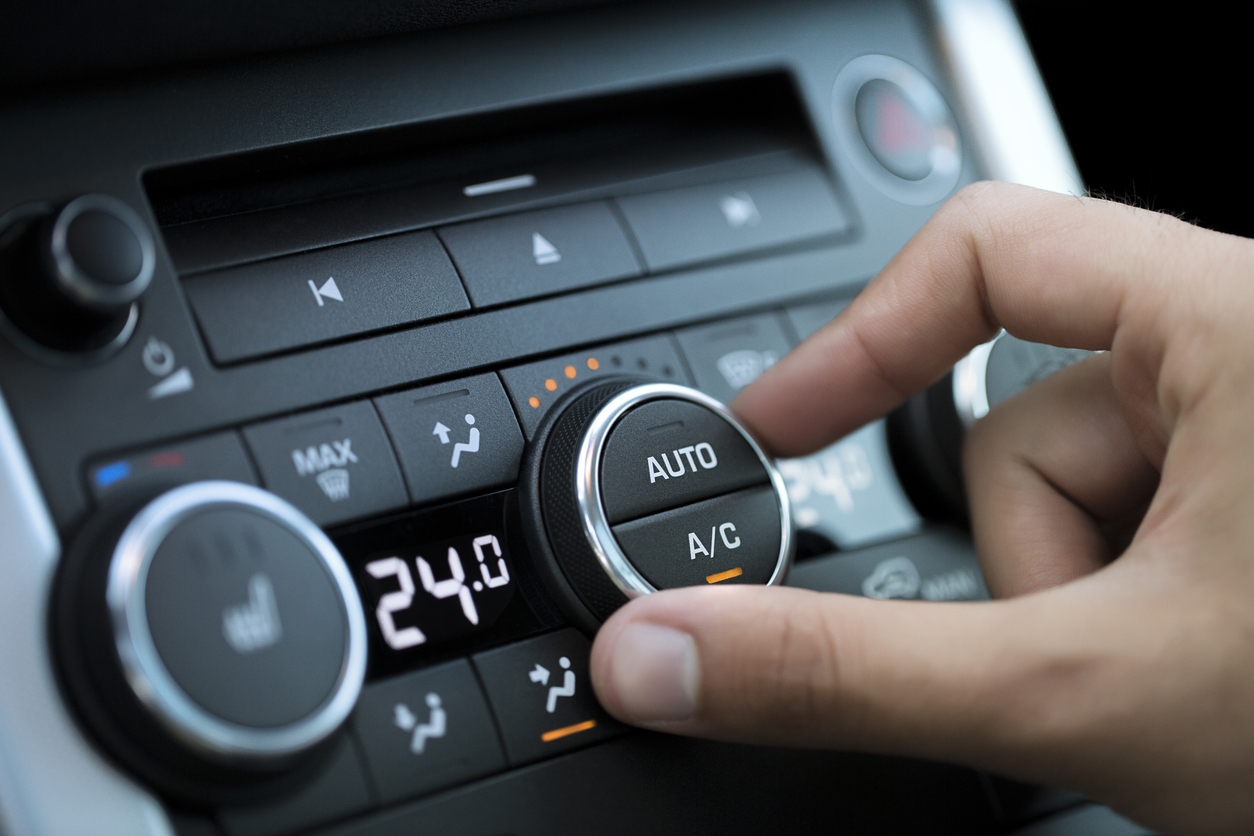
The great air conditioning debate has been going on for years. Is it more efficient to keep the windows down or switch on the air con? Like most things in life, the answer is it depends.
Air conditioning does put extra strain on the engine, so it uses a little more fuel. Around the city, where you're driving at lower speeds, opening a window is often the more economical choice.
Once you're on faster roads, though, the tables start to turn. Open windows create extra aerodynamic drag, forcing the engine to work harder to push the car through the air. Driving on the motorway, you're usually better off keeping the windows up and using the air conditioning if you need it.
In other words, don't be afraid to use the air con, but don't leave it blasting at full power all year round unless you fancy paying for the privilege.
9. Keep Up With Regular Servicing
Over time, things like dirty air filters, worn spark plugs and old engine oil make your engine work harder than it should. You probably won't notice the change from one day to the next, but your fuel consumption gradually creeps in the wrong direction.
Sticking to your manufacturer's recommended service schedule helps keep everything running as efficiently as possible. It won't magically add 20 MPG overnight, but it gives your car the best chance of delivering the fuel economy it was designed to achieve. Think of it as preventative maintenance for both your engine and your bank balance.
10. Plan Your Journeys
Ever driven to the supermarket, got home, realised you forgot milk and headed straight back out again? It happens to the best of us, but your fuel tank won't be impressed.
Cars are at their least efficient when the engine is cold, which means several short journeys often use more fuel than one longer trip covering the same distance. If you've got a few errands to tick off, it's usually worth doing them all in one go.
It's also worth checking your route before you leave. Navigation apps can steer you around roadworks and heavy traffic, helping you spend less time sitting in queues with the engine running. It won't eliminate traffic altogether, if only, but it can make your journeys a little quicker and a little cheaper.
11. Choose a More Fuel-Efficient Car
If you're driving an older used model, there's only so much you can do. Modern petrol engines are far more efficient than they were 10 or 15 years ago, whereas today's hybrids and plug-in hybrids can dramatically reduce fuel consumption, particularly if most of your driving is around town. Even automatic gearboxes have come a long way, with many now matching or outperforming manual cars for fuel economy.
If you're finding yourself at the petrol station more often than you'd like, it could be worth doing the maths. A newer, more fuel-efficient lease car may cost less to run than you expect, especially if you cover a lot of miles each year.
Fuel Saving Myths: Fact or Fiction?
If you ask ten drivers how to improve fuel consumption, you'll probably get at least a dozen different answers. Some are genuinely useful. Others have been passed down for so long they've become accepted as fact, despite not being true. Let's separate the good advice from the old motoring myths.
Myth: Premium fuel always improves MPG
Mostly fiction. Unless your car's manufacturer specifically recommends premium petrol or diesel, paying extra at the pump is unlikely to deliver a noticeable improvement in fuel economy. Keeping your tyres inflated properly and easing off the accelerator will save far more money.
Myth: You should warm your engine up before driving
Fiction. Modern engines are designed to be driven soon after you start them. Leaving the car idling on the driveway might make you feel organised, but all it's really doing is burning fuel while you go absolutely nowhere. Just drive gently for the first few miles and let the engine warm up naturally.
Myth: Driving downhill in neutral saves fuel
Definitely fiction. It also gives you less control over the car. In many modern vehicles, lifting off the accelerator whilst staying in gear reduces or completely cuts fuel delivery as you coast downhill. It's safer and, perhaps surprisingly, usually more economical too.
Myth: Manual cars are always more fuel efficient
Not anymore. Years ago, that was often true. Today, many automatic transmissions are clever enough to change gear at exactly the right moment for maximum efficiency, sometimes delivering better fuel economy than the manual equivalent. It depends much more on the car than the gearbox.
Looking for a More Fuel-Efficient Car?
If you've squeezed every extra mile you can out of your current car and your fuel bills are still making your eyes water, it might be time for a modern upgrade.
Modern lease cars are more efficient on fuel consumption than ever, meaning you can travel further on every tank without changing the way you drive. Better fuel economy, lower emissions and the latest technology? Sounds like a win to us.
At Motorlet, you can compare lease deals on hundreds of fuel-efficient cars from the UK's leading manufacturers. Whether you're after a city-friendly hatchback, a practical family SUV or a money-saving hybrid, we'll help you find a car that's easier on your fuel budget.
Browse our latest car lease deals today and see how much you could save behind the wheel of something newer.
Frequently Asked Questions on Improving Fuel Consumption
What improves fuel consumption the most?
The biggest improvements usually come from changing the way you drive rather than making expensive modifications to your car. Smooth acceleration, maintaining a steady speed, keeping your tyres correctly inflated and staying on top of regular servicing can all make a noticeable difference to your fuel consumption and efficiency.
What speed is most fuel efficient?
For most petrol and diesel cars, fuel economy is at its best when cruising at a steady 50–60mph. As your speed increases, so does aerodynamic drag, meaning the engine has to work harder and use more fuel. You might save a couple of minutes by driving faster, but you'll usually pay for it at the petrol station.
Why is my car using more fuel than usual?
If your fuel bills have suddenly crept up, there could be several reasons. Under-inflated tyres, heavy traffic, short journeys, cold weather, carrying extra weight or overdue servicing can all reduce fuel efficiency. Sometimes the fix is as simple as clearing out the boot or checking your tyre pressures.
Does cruise control improve fuel efficiency?
It can. Cruise control helps maintain a consistent speed, which reduces unnecessary acceleration and braking on long, flat roads. On steep hills, however, it may accelerate harder than you would yourself to maintain the set speed, so it's not always the most economical option.
Can a car service improve fuel consumption?
Absolutely! A well-maintained engine runs more efficiently, so replacing old engine oil, worn spark plugs and dirty air filters can all help improve fuel economy. It won't work miracles overnight, but regular servicing gives your car the best chance of achieving its advertised MPG.
Is it worth leasing a newer car to save fuel?
It certainly can be, especially if your current car is older or you cover a lot of miles each year. Modern petrol, hybrid and plug-in hybrid cars are significantly more efficient than many older models, so switching to a newer lease could reduce your fuel bills whilst giving you the latest technology, safety features and a more enjoyable drive.
What's next?
Enjoyed this? Read our latest news
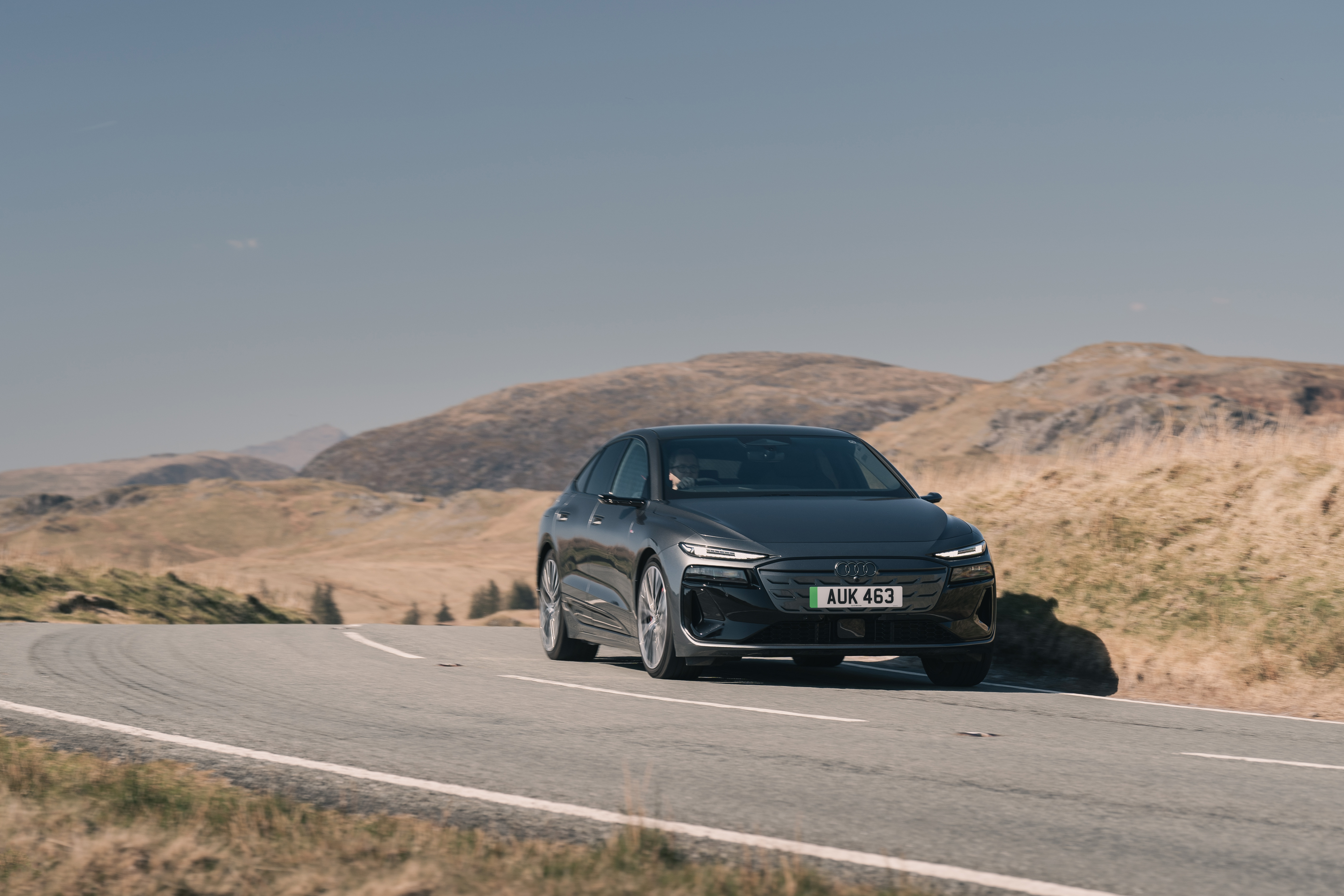
Audi Q6 e-tron Review
Read our expert Audi Q6 e-tron review. Discover range, charging, practicality, performance and whether an Audi Q6 e-tron lease is right for you.
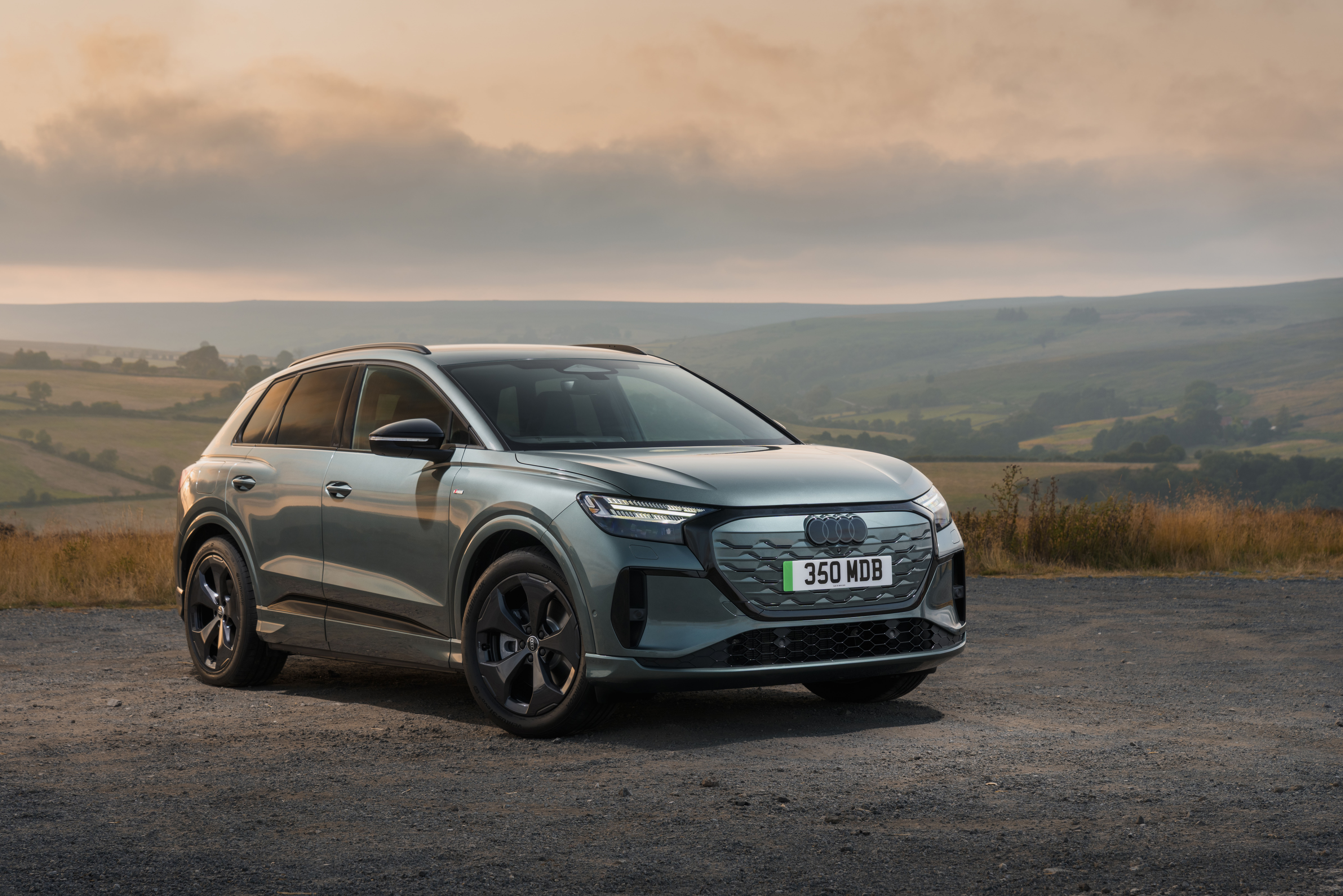
Audi Q4 e-tron Review
Thinking about leasing an Audi Q4 e-tron? Our expert review covers driving performance, interior quality, range, charging, practicality and how it compares with its biggest rivals.
Audi e-tron GT Review
Read our expert Audi e-tron GT review. Discover performance, range, charging, practicality and whether an Audi e-tron GT lease is the right choice for you.
Customer Stories
We've helped over 1,000+ customers find their dream car, hear what they have to say.
Read more reviews“As usual, top class service. The team at Motorlet provided first class service from beginning to end with the friendly helpful expertise of Josh and Wendy. Will continue to use their services as I have done for the past six years...” Keep reading
Diane Parish | Audi Q5