





Winter Car Maintenance: Essential Checks for Safer Winter Driving
Cold mornings, icy roads, and flat batteries – here's how to keep your car ready for anything winter throws at it.


Winter can be tough on vehicles. Cold temperatures, icy roads, heavy rain and reduced daylight all increase the risk of breakdowns, accidents and unexpected repair bills. Whether you’re driving for work, commuting daily, or managing a business vehicle, winter car maintenance is essential for staying safe and keeping your vehicle reliable.
We cover everything you need to know about preparing your car or van for winter, from essential checks and seasonal maintenance to tips for electric vehicles and recommendations for winter-ready models.
Why Winter Car Maintenance Matters
Winter conditions place extra strain on your vehicle. Batteries work harder in the cold, tyres lose grip more easily, and poor visibility becomes a real safety issue. Many winter breakdowns are preventable with a few simple checks carried out before the colder months arrive.
For business drivers, vehicle downtime can mean lost time and income. For personal drivers, it can mean inconvenience, stress and unexpected costs. A proactive approach to winter maintenance helps reduce risk and keeps you moving when conditions are at their worst.
Essential Winter Car Maintenance Checklist
Check Your Battery
Cold weather is one of the most common causes of breakdowns. Low temperatures reduce battery efficiency, making it harder to start your car.
Make sure:
Your battery is in good condition
Terminals are clean and secure
Warning lights are checked promptly
If your battery is more than three to five years old, it may be worth testing it before winter fully sets in.
Inspect Tyres and Tread Depth
Tyres are your only point of contact with the road, and grip becomes even more important in wet, icy or snowy conditions.
Before winter:
Check tyre tread depth (legal minimum is 1.6mm, but 3mm+ is recommended for winter)
Inspect tyres for cracks or uneven wear
Check tyre pressures regularly, as cold weather causes pressure to drop
Some drivers choose winter tyres, especially if they regularly drive in rural areas or colder regions of the UK.
Test Lights and Visibility
With shorter days and poor weather, visibility is critical.
Check:
Headlights, brake lights, fog lights and indicators
Windscreen wipers for wear or streaking
Windscreen washer fluid topped up with winter-grade solution
A clean windscreen and properly working lights make a huge difference in winter driving conditions.
Top Up Fluids and Coolant
Low fluid levels can cause problems in cold weather. Make sure:
Coolant is topped up and suitable for freezing temperatures
Engine oil is at the correct level
Brake fluid is within recommended limits
If you’re unsure, a quick check during a service or inspection can help prevent issues later.
Winter Car Maintenance for Business Drivers
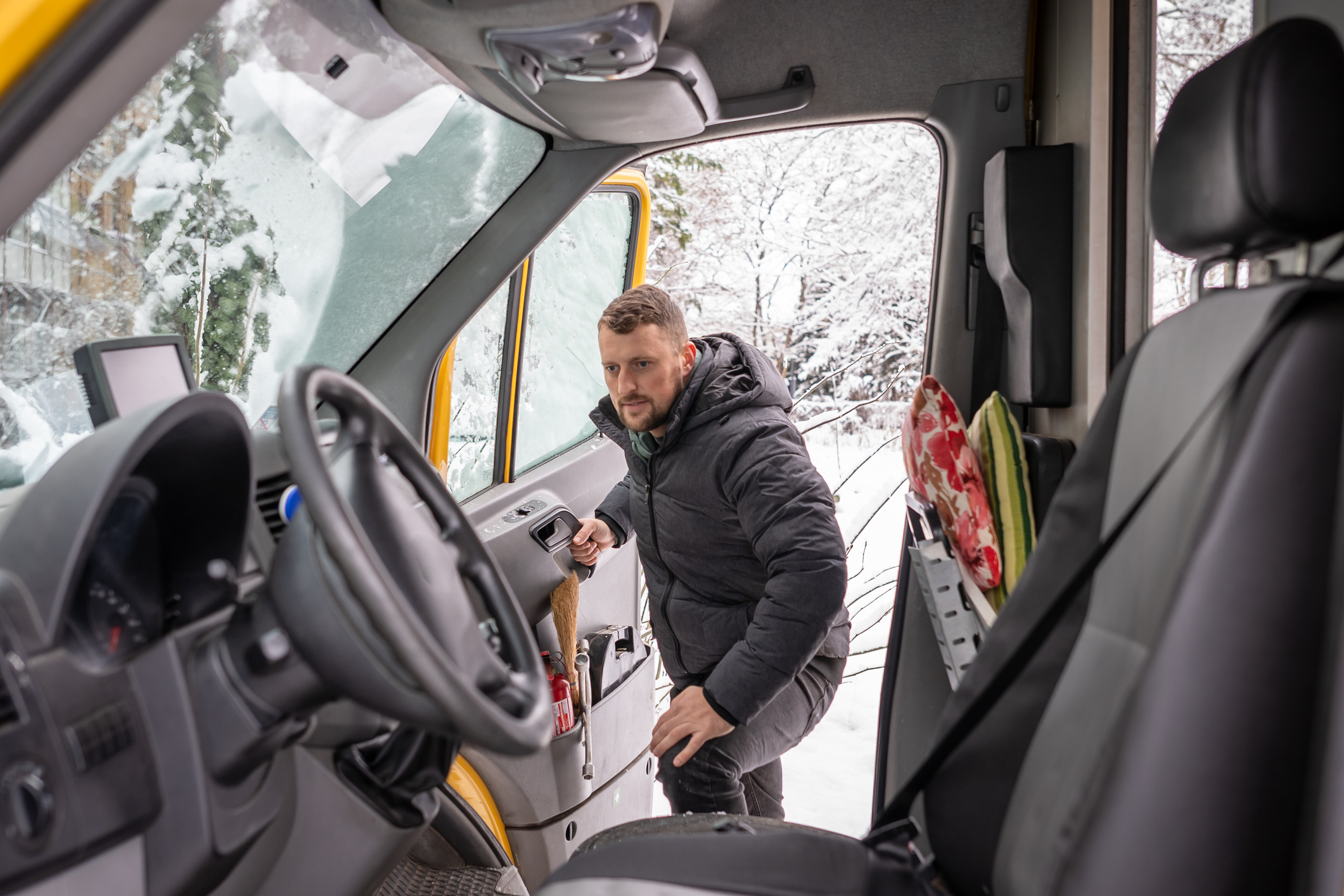
Business and fleet vehicles often spend more time on the road, increasing exposure to winter risks. Regular checks are especially important to avoid breakdowns during busy periods.
Check load distribution, as heavier loads affect braking in slippery conditions
Ensure heating and demisting systems are working properly
Keep vehicles clean to prevent salt corrosion
Planning winter maintenance in advance can help minimise disruption and protect your vehicles throughout the season.
Electric Vehicle Winter Maintenance
Electric vehicles require many of the same winter checks as petrol or diesel cars, but there are a few additional considerations.
Cold weather can reduce battery efficiency and driving range, particularly on shorter journeys. To help manage this:
Pre-condition your EV while it’s plugged in where possible
Keep tyres correctly inflated to reduce rolling resistance
Avoid running the battery too low in freezing conditions
Charging cables and ports should also be kept clean and dry to prevent issues during colder weather.
Best Types of Cars and Vans for Winter Driving
Some vehicles are naturally better suited to winter conditions than others, particularly when roads are wet, icy or uneven. SUVs, crossovers and certain hybrid or electric vehicles often perform well in winter thanks to their stability, higher driving position and modern safety technology.
Manufacturers such as Volvo, Audi and Subaru are well known for offering models with strong traction control and all-wheel drive systems, which can provide added confidence on slippery roads. Brands like Volkswagen, Skoda and Toyota also offer crossovers and SUVs designed with everyday winter driving in mind, combining practicality with advanced driver assistance features.
For electric and hybrid vehicles, manufacturers including Tesla, Kia, Hyundai and BMW offer models with sophisticated traction control systems and efficient heating technology, which can help maintain performance and comfort during colder months. Many newer EVs also include features such as battery pre-conditioning, which can be particularly useful in winter.
When it comes to vans and business vehicles, brands such as Ford, Mercedes-Benz and Volkswagen offer models built for year-round reliability, with options including improved grip systems, stability control and efficient cabin heating. These features can make a noticeable difference for drivers who rely on their vehicle throughout the winter for work.
Rather than focusing on a specific model, it’s worth considering key features such as traction control, ride height, safety technology and overall reliability when choosing a vehicle that’s well suited to winter driving conditions.
Common Winter Driving Problems
Many winter issues can be avoided with preparation. Common problems include:
Flat or weak batteries
Tyre blowouts due to low pressure
Frozen windscreens and washer jets
Reduced braking efficiency
A simple winter check can significantly reduce the likelihood of these problems and improve confidence when driving in poor conditions.
Should You Carry a Winter Emergency Kit?
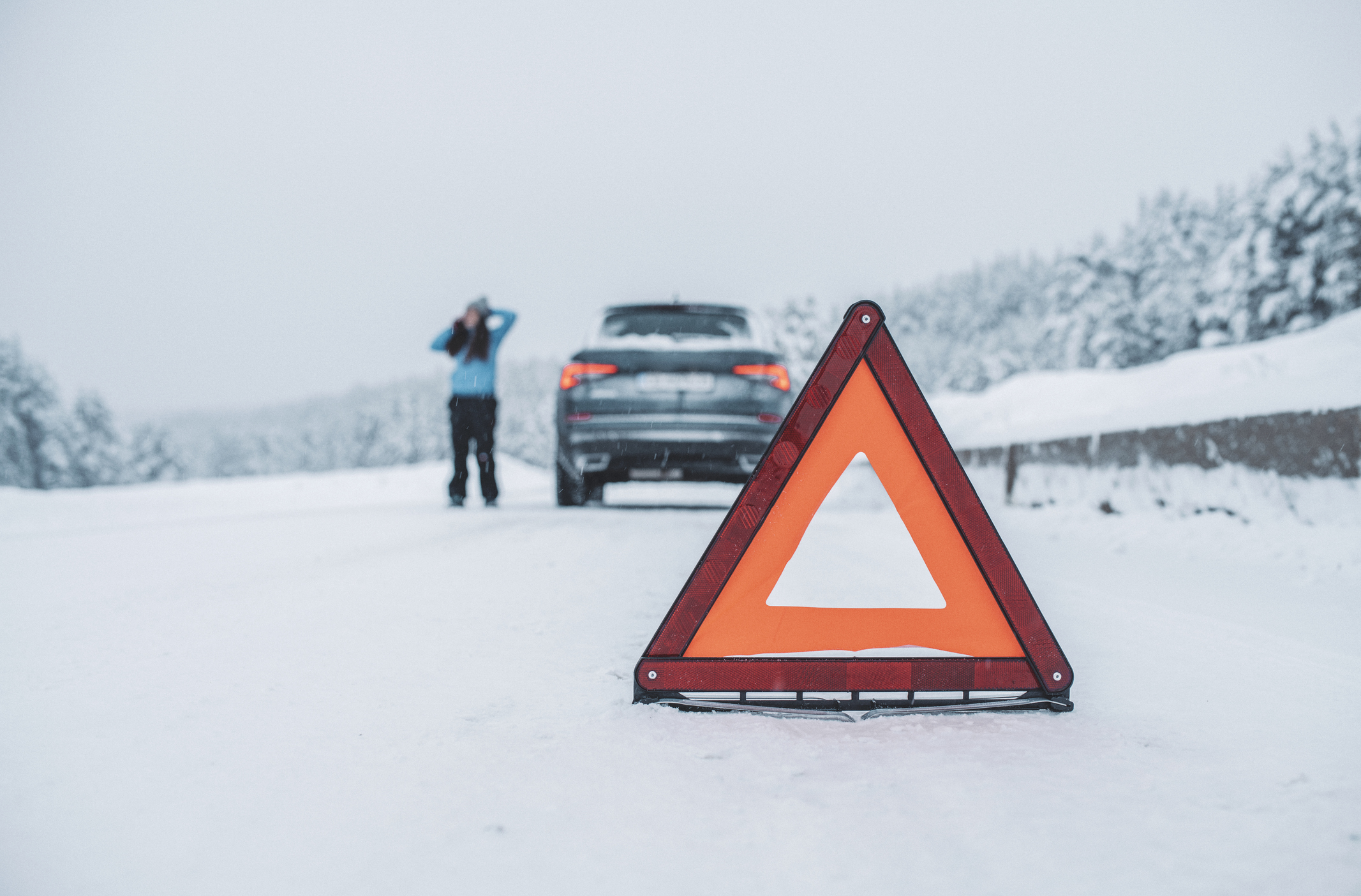
For added peace of mind, many drivers keep a basic winter kit in their vehicle. This can be particularly useful for longer journeys or rural routes.
Items often include:
Warm clothing or blankets
Torch and spare batteries
Windscreen de-icer and scraper
Phone charger or power bank
While not essential, it can be reassuring if you’re delayed or forced to stop unexpectedly.
Preparing Your Vehicle Before Winter Starts
The best time to carry out winter maintenance is before temperatures drop. Waiting until bad weather arrives often means garages are busier and issues become more urgent.
Booking a service, checking key components, and addressing minor issues early can save time, money and stress throughout the winter months.
FAQs About Winter Car Maintenance
How often should I check my car in winter?
It’s a good idea to check key items such as tyres, lights and fluids at least once a month during winter.
Do electric cars need different winter maintenance?
EVs follow the same general maintenance principles, but cold weather can affect battery performance, so planning charging and pre-conditioning helps.
Is winter car maintenance really necessary in the UK?
Yes. Even without heavy snow, cold temperatures, rain and poor visibility increase risks on UK roads.
Staying Safe on the Road This Winter
Winter car maintenance doesn’t have to be complicated. A few regular checks and some forward planning can go a long way towards keeping your car or van safe, reliable and road-ready during the colder months.
Whether you drive for personal use or as part of a business, preparing your vehicle for winter helps reduce breakdowns, improves safety and gives you confidence when conditions are less than ideal.
If you’d like more advice, you can explore our latest news and guides for seasonal driving tips, vehicle care advice and support throughout the year. If you’d like to speak to one of our friendly team, feel free to get in touch today!
What's next?
Enjoyed this? Read our latest news
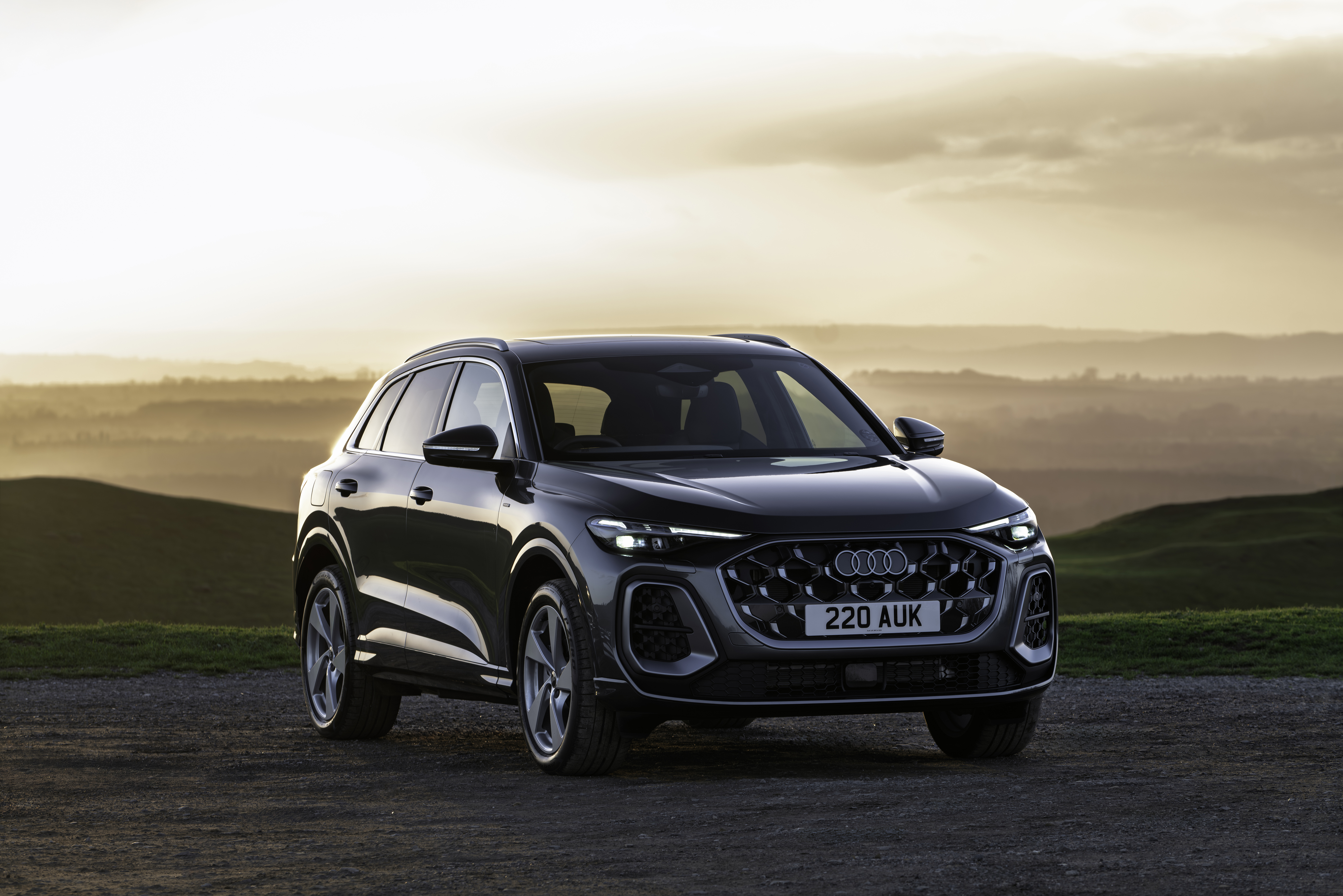
Audi Q5 Review
Read our Audi Q5 review covering comfort, engines, practicality, technology and running costs. See if an Audi Q5 lease is right for you.
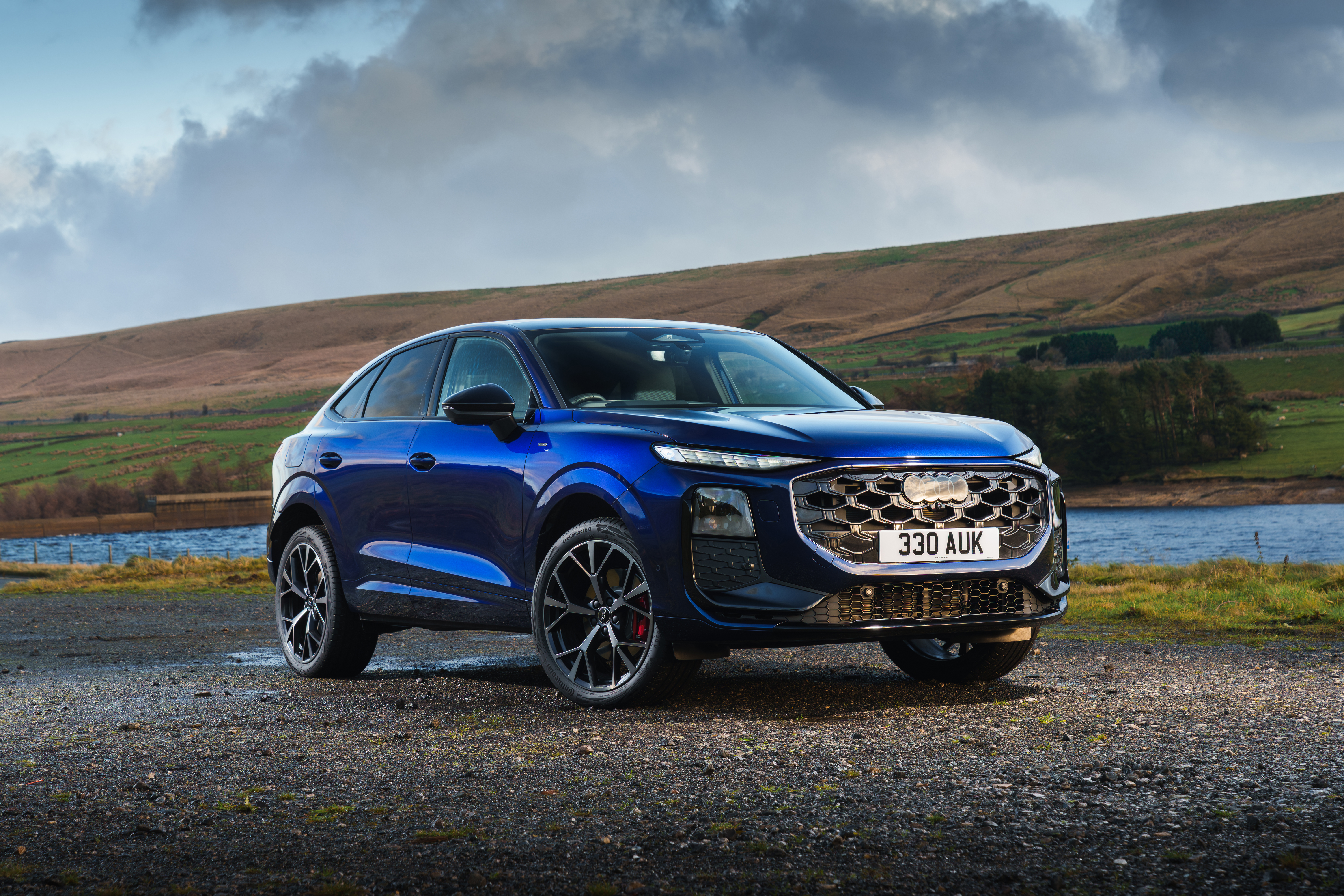
Audi Q3 Review
Read our Audi Q3 review for expert insight into its interior, driving experience, practicality, engines and trims, plus whether it’s worth leasing.
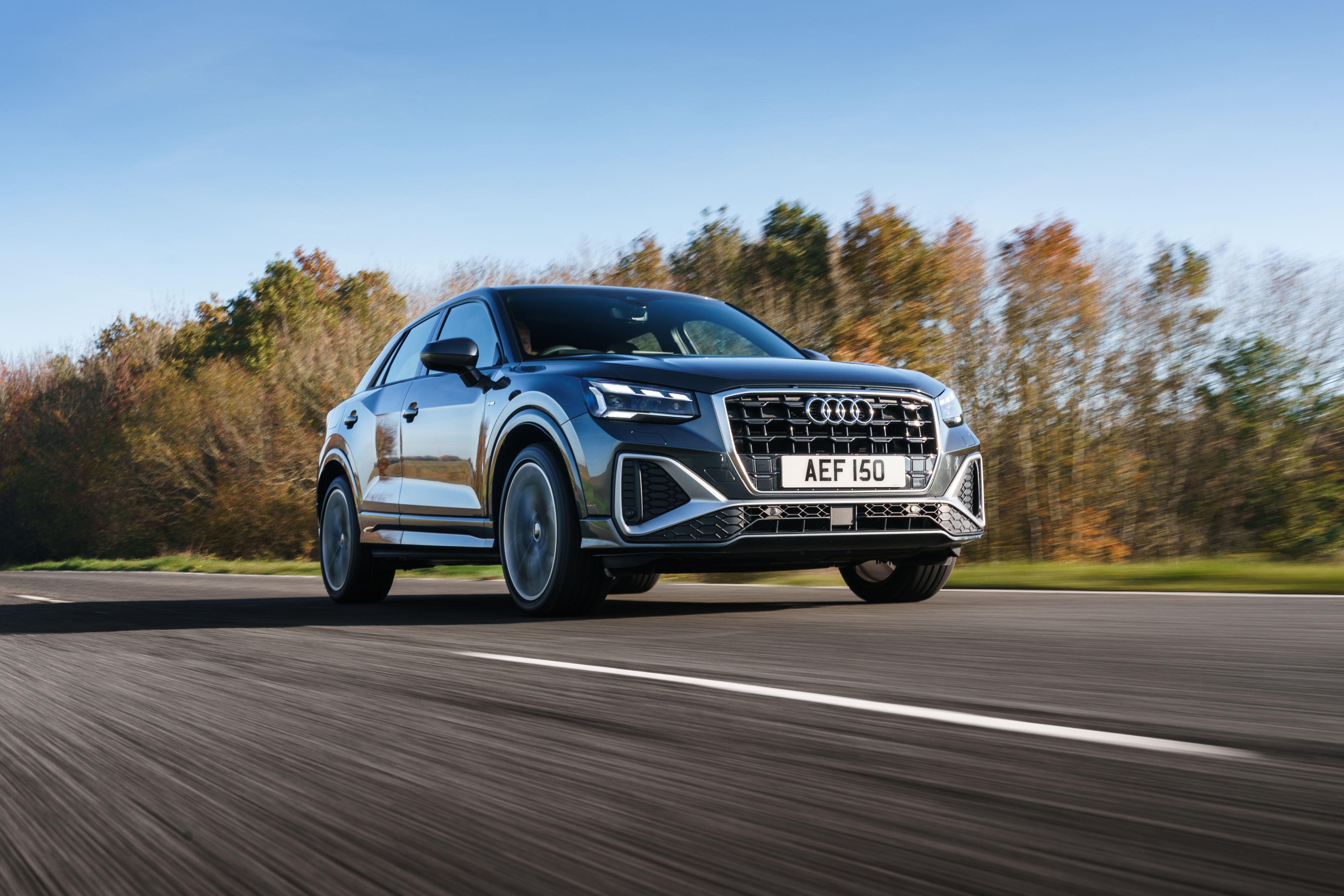
Audi Q2 Review
Read our Audi Q2 review covering performance, interior, boot space, running costs and practicality. See if an Audi Q2 lease is right for you.
Customer Stories
We've helped over 1,000+ customers find their dream car, hear what they have to say.
Read more reviews“As usual, top class service. The team at Motorlet provided first class service from beginning to end with the friendly helpful expertise of Josh and Wendy. Will continue to use their services as I have done for the past six years...” Keep reading
Diane Parish | Audi Q5