







Must-Know Laws for New Drivers in the UK

Passing your driving test feels brilliant. One minute you're nervously checking your mirrors every five seconds, and the next you've got a full licence and the freedom to go wherever you like. Well... almost.
The rules of the road don't suddenly change once you've passed, but the consequences can. During your first two years as a qualified driver, there's much less room for error. A couple of careless mistakes could mean losing your licence and having to start the whole process again, which isn't anyone's idea of fun.
This guide covers the laws for new drivers, from the six-point rule and the New Driver Act to insurance, vehicle tax and the legal responsibilities that come with owning your first car. Whether you're shopping for a used hatchback or browsing lease deals, knowing the rules now can save you a lot of money, stress and awkward conversations with your insurer later.
What Laws Apply to New Drivers?
Here's some good news: there isn't a secret version of the Highway Code that suddenly appears the day you pass your driving test. The same driving laws apply whether you've had your licence for two days or twenty years. Speed limits are the same, traffic lights don't become optional (sorry), and every driver still needs valid insurance, vehicle tax and a roadworthy car.
The big difference is something called the Road Traffic (New Drivers) Act 1995. It sounds intimidating, but it's actually quite straightforward. For the first two years after passing your practical test, the bar is set much lower if you commit driving offences.
Pick up six or more penalty points during those first two years and your full licence will be revoked. That means you're back to square one. You'll need to apply for a new provisional licence, pass your theory test again and then retake your practical test before you can drive on your own.
It might sound harsh, but there's a good reason for it. Drivers are far more likely to be involved in a collision during their first couple of years on the road simply because they're still building experience. The New Driver Act is designed to encourage safer driving whilst those good habits are still forming.
Fortunately, losing your licence is entirely avoidable. Drive sensibly, stay within the speed limit, leave your phone alone and keep your paperwork in order, and there's every chance you'll reach the end of those two years without giving the New Driver Act a second thought.
The Six-Point Rule Explained
If there's one law every new driver should remember, it's this one. For the first two years after passing your practical driving test, six penalty points are enough to cost you your licence. It doesn't matter if those points come from one serious offence or two smaller ones. Reach six points, and the DVLA will revoke your licence under the New Driver Act.
Before you panic, it's worth clearing up a common misconception. Licence revocation isn't the same as a driving ban. You won't be told to stay off the road forever, but you will have to go through the process of becoming a qualified driver all over again.
That means you'll need to:
Apply for a new provisional driving licence.
Pass your theory test again.
Pass your practical driving test again.
Display L plates and follow the same rules as any other learner until you've passed.
It's a frustrating situation to end up in, especially when it's so easy to avoid. Many of the offences that catch out new drivers carry three to six penalty points. In other words, it doesn't take a long list of mistakes to reach the limit. Using a handheld mobile phone while driving, for example, normally carries six points, so a quick glance at a message could undo months of driving lessons, revision and test-day nerves.
Common offences and penalty points
| Offence | Typical Penalty Points |
|---|---|
| Speeding | 3–6 |
| Using a handheld mobile phone while driving | 6 |
| Driving without insurance | 6–8 |
| Careless driving | 3–9 |
| Failing to stop after an accident | 5–10 |
The Most Common Ways New Drivers Lose Their Licence
Most people don't lose their licence after some dramatic high-speed police chase. It's usually much less exciting than that. A couple of speeding tickets here, a moment of poor judgement there, and suddenly those six penalty points don't seem so far away.
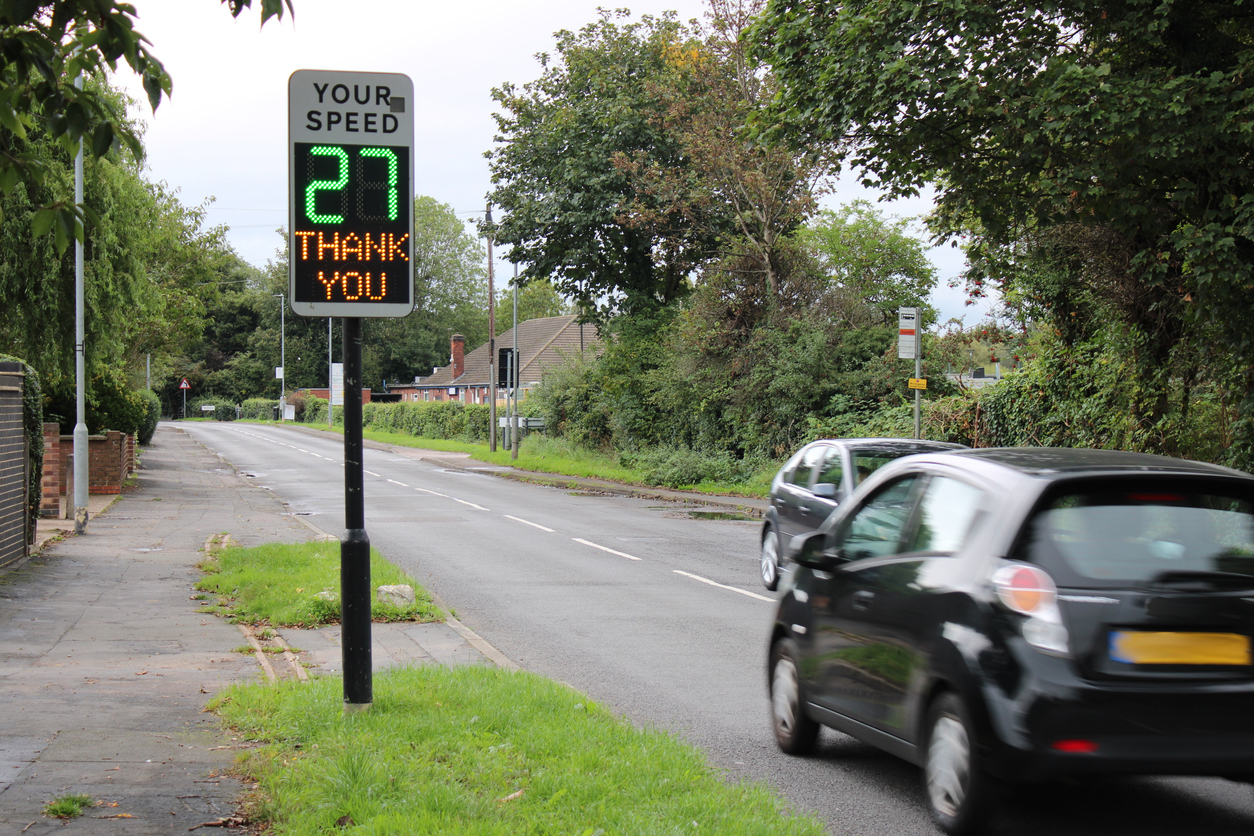
Speeding
It's easy to drift a few miles per hour over the limit without noticing, especially when you're concentrating on unfamiliar roads. Unfortunately, "I didn't realise" isn't a defence.
Depending on how far over the limit you are, speeding usually carries three to six penalty points. That means two relatively minor speeding offences could be enough to see your licence revoked during your first two years. If you're unsure, it's always better to ease off the accelerator than assume you'll get away with it. Arriving two minutes later beats booking another driving test.
Using a Mobile Phone
Using a handheld mobile phone whilst driving is one of the quickest ways for a new driver to lose their licence. Reading a message, replying to a text or scrolling through a playlist might only take a few seconds, but the consequences last much longer.
This offence normally carries six penalty points, meaning one lapse in judgement could send you straight back to learner status. If you use your phone for navigation, set everything up before you leave and keep it in a secure cradle. Once you're moving, your attention belongs on the road.
Driving Without Insurance
Every car on UK roads must have at least third-party insurance. If you're caught without it, you could receive six to eight penalty points, a substantial fine and even have your vehicle seized.
One mistake that catches out plenty of new drivers is assuming they're automatically insured to drive someone else's car. Sometimes they are, but often they aren't. A quick check of your policy before borrowing the keys could save you a great deal of hassle later when it comes to this law for new drivers.
Drink or Drug Driving
Most people know they shouldn't drive after drinking, but it's worth remembering that alcohol and drugs affect everyone differently. Even if you feel fine, your reactions, judgement and concentration may not be.
The penalties are severe and can include an immediate driving ban, an unlimited fine and, in the most serious cases, imprisonment. More importantly, drink and drug driving dramatically increases the risk of seriously injuring yourself or someone else. If there's any doubt about whether you're fit to drive, don't get behind the wheel.
Careless or Dangerous Driving
Not every driving offence involves breaking the speed limit. Tailgating, failing to check your mirrors, drifting between lanes or not paying proper attention to what's happening around you can all be classed as careless driving. More serious behaviour may be treated as dangerous driving, bringing much tougher penalties.
These offences often come down to concentration. Giving yourself plenty of time, avoiding distractions and staying patient with other road users will make you a safer driver and help keep those penalty points off your licence.
The first couple of years after passing your test are when you'll learn the most. Nobody expects perfection, but forming good habits early makes it much less likely you'll find yourself dealing with fines, penalty points or the prospect of taking your driving test all over again.
Legal Responsibilities When You Own Your First Car
It's not the most glamorous part of driving, and nobody celebrates getting vehicle tax sorted, but these are the jobs that stop you picking up fines or awkward letters through the post. The good news is that once you've got into the habit, most of them take very little effort to stay on top of.
Car Insurance
Before you drive anywhere, your car needs to be insured. At the very least, you'll need third-party cover, although it's worth getting quotes for comprehensive insurance too. It often surprises new drivers that comprehensive policies can sometimes work out cheaper.
Whatever policy you choose, make sure the details are accurate. If you're the person who'll be using the car every day, don't be tempted to list someone else as the main driver just to lower the premium. It might save money initially, but it could invalidate your insurance if you ever need to make a claim.
Vehicle Tax
It might still be called "road tax" in everyday conversation, but officially it's Vehicle Excise Duty (VED). Nearly every car on UK roads must be taxed, even if you only drive it occasionally. One thing that catches out first-time buyers is that tax doesn't transfer with the vehicle. If you've leased a used car, you'll need to arrange your own tax before you drive away.
MOT Certificates
If your car is more than three years old, it'll need a valid MOT certificate. An MOT isn't just another bit of paperwork to file away. It's there to check that your car meets the minimum safety and environmental standards. Driving without one is illegal unless you're heading to a pre-booked MOT appointment.
Keeping Your Car Roadworthy
Your car doesn't have to look showroom fresh, but it does need to be safe to abide by laws for new drivers. Before setting off, it's worth giving it a quick once-over. It only takes a minute and could save you from a breakdown, or an uncomfy conversation with the police.
Check that:
Your tyres have at least 1.6mm of tread across the central three-quarters.
All lights and indicators are working properly.
Your windscreen is clean and the wipers clear it effectively.
Your mirrors, brakes and number plates are in good condition.
These are small jobs that are easy to forget until something goes wrong, so getting into the habit early is well worth it.
Keep Your Details Up to Date
Moving house is stressful enough without accidentally missing an important letter from the DVLA. If you change your address or your name, you're legally required to update both your driving licence and your V5C logbook. It doesn't take long, and it means you'll receive anything important, from penalty notices to vehicle recalls, at the right address.
None of these responsibilities are particularly exciting, but they're all part of owning a car and abiding by laws for new drivers. Stay organised, keep on top of the basics and you'll spend far more time enjoying the freedom of driving than dealing with paperwork.
Laws Around Insurance That Catch New Drivers Out
Let's be honest, car insurance isn't exactly light bedtime reading. Most people scroll through the policy, click "accept" and hope for the best. The problem is that a few common misunderstandings can end up costing far more than a higher premium. In some cases, they could even leave you uninsured when you need your policy most.
Fronting Is Insurance Fraud
It can be tempting to put a parent down as the main driver if it brings the quote down. After all, if they use the car occasionally, what's the harm? Quite a lot, actually.
If you're the person who drives the car most of the time, you should be listed as the main driver. Deliberately saying someone else is the main user to reduce the premium is known as “fronting”, and insurers treat it as fraud.
If they discover it after an accident, they could refuse your claim, cancel your policy and make it much harder to get affordable insurance in the future. It's simply not worth the risk.
Declare Any Modifications
You might think adding new alloy wheels or tinting the windows is just a cosmetic upgrade, but your insurer probably sees it differently. Anything that changes the car from its original specification could affect your insurance. That includes body kits, suspension changes, upgraded stereos and performance modifications.
When in doubt, tell your insurer. It's much easier to ask the question beforehand than argue about it after making a claim.
Understand Black Box Insurance
Black box, or telematics, insurance is popular with new drivers because it can make cover much more affordable. A small device, or sometimes a smartphone app, monitors how you drive by looking at things like your speed, braking, cornering and mileage. Drive sensibly and you could be rewarded with lower premiums when it's time to renew.
Think of it as having a driving instructor quietly sitting in the passenger seat. It isn't there to catch you out, but it will notice if you're making a habit of harsh braking or treating every set of traffic lights like the start of a Grand Prix.
Check Before Driving Someone Else's Car
This is one law for new drivers that catches out plenty of experienced drivers too. Just because you have fully comprehensive insurance doesn't automatically mean you can jump into a friend's car and drive away. Some policies include "driving other cars" cover, many don't, and it's becoming less common, especially for younger drivers.
If you're ever borrowing someone else's car, take a minute to check your policy first. It's much easier than discovering you're uninsured after being stopped by the police.
Insurance can feel like one of the less exciting parts of driving, but getting it right from the start will save you a lot of stress. A few extra minutes spent reading the small print now is far better than finding out what your policy doesn't cover when you need it most.
Can New Drivers Drive on Motorways?
As soon as you've passed your practical driving test, you're legally allowed to drive on UK motorways without any additional qualifications or restrictions.
If that thought makes you a little nervous, you're not alone. For many people, the first motorway journey feels more daunting than the driving test itself. The good news is that, once you get used to them, motorways are actually easier to drive on than busy town roads, with no junctions, pedestrians and parked cars to worry about.
Motorway lessons aren't compulsory after you've passed your test, but if you'd like to build your confidence, a refresher lesson with an instructor can be money well spent. Otherwise, start with a quieter motorway at an off-peak time and you'll soon realise motorway rules are nowhere near as intimidating as they first seem.
Do You Need P Plates?
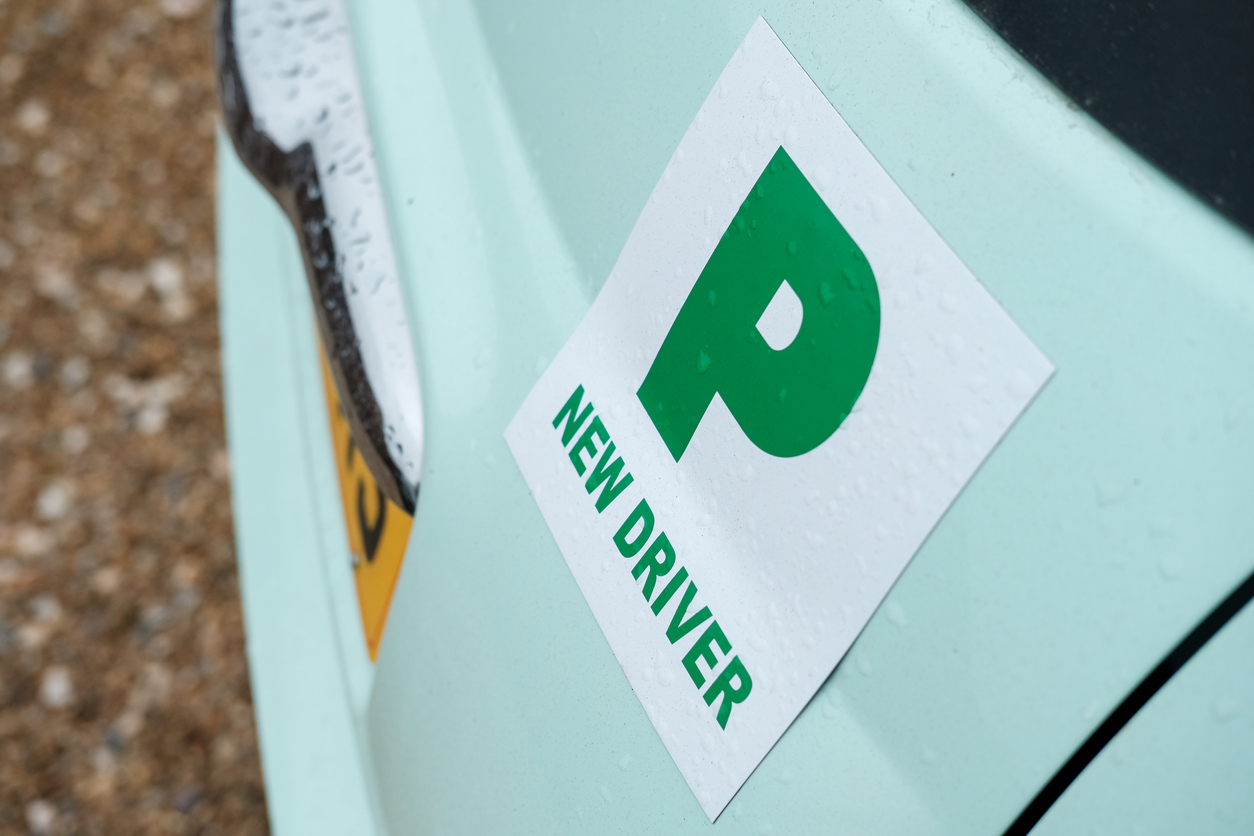
P plates are completely optional and not a law for new drivers, so there's no legal requirement to display them once you've passed your driving test. The "P" stands for probationary and simply lets other road users know you're a newly qualified driver. Some people find this encourages a bit more patience if they hesitate at a roundabout, take an extra moment to park or stall the car. Most drivers have been there themselves, after all.
That said, P plates aren't everyone's cup of tea. Some new drivers feel they attract impatient motorists who are more likely to overtake or drive too closely. Others like the reassurance of signalling that they're still gaining experience.
There's no right or wrong answer. If displaying P plates helps you feel more confident during your first few weeks on the road, use them. If you'd rather skip them, that's perfectly fine too. Your driving matters far more than what's stuck to the front and back of your car.
P Plates: Pros and Cons
| Pros | Cons |
|---|---|
| Let other drivers know you're newly qualified | Some drivers may be less patient or attempt risky overtakes |
| Can reduce pressure while building confidence | No legal protection or special allowances |
| Easy to fit and remove | Not required by law for new drivers |
Other Driving Laws Every New Driver Should Know
You've got the big stuff covered, but there are a few other rules that are worth knowing before you head out on the road. None of these are particularly complicated, but they're all things that can catch out new drivers.
Seat Belt and Passenger Rules
Seat belts are everyone's responsibility, but not equally. Adults are responsible for wearing their own seat belts. If you're carrying anyone under the age of 14, it's your job as the driver to make sure they're wearing a seat belt or using the correct child seat where required.
Dashcams
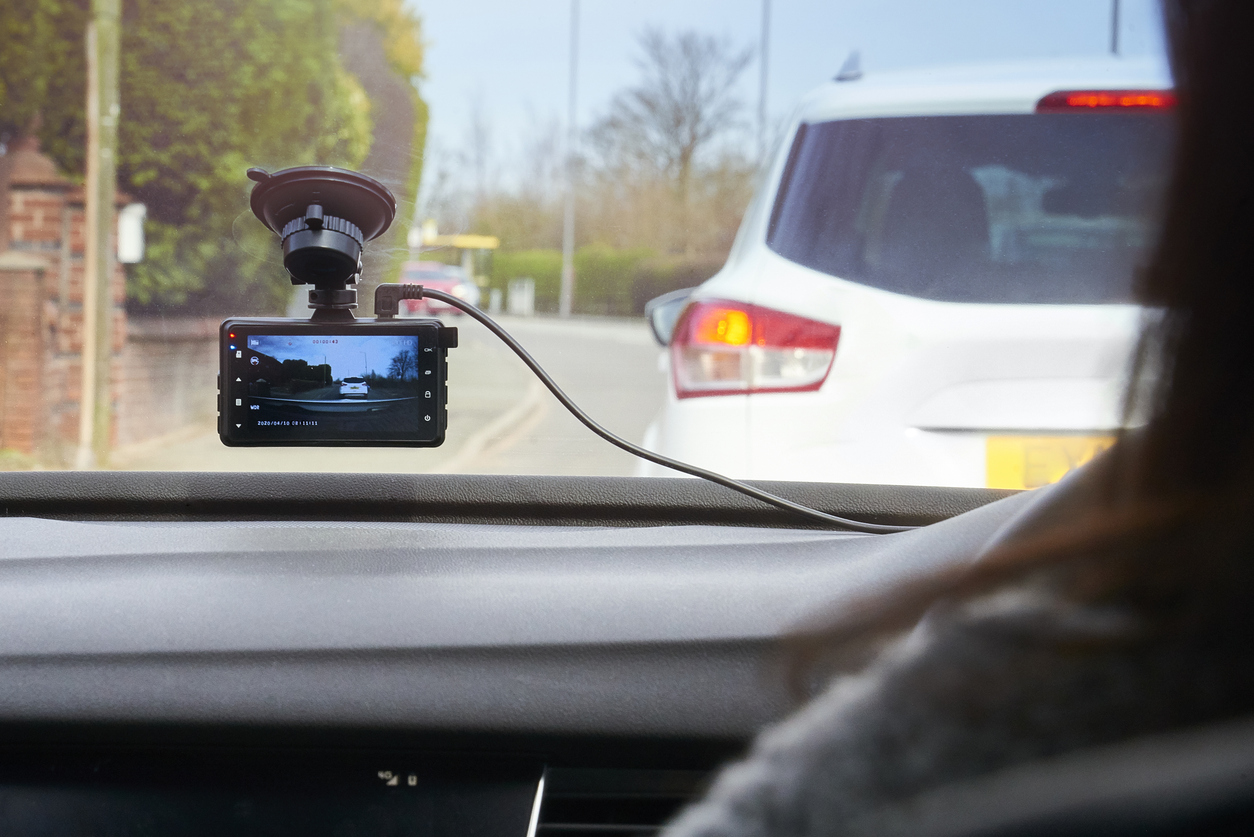
Dashcams are perfectly legal and can be incredibly useful if you're involved in an accident. Just make sure yours doesn't block your view through the windscreen or become a distraction whilst you're driving. If you decide to post footage online, remember that privacy rules may also apply.
Driving Abroad
Thinking about a road trip across Europe? Before you go, check the rules for the country you're visiting. Your UK driving licence is accepted in many places, but some destinations require extra documents, such as an International Driving Permit or proof of insurance.
Clean Air Zones and Parking Rules
Many towns and cities now have Clean Air Zones or Low Emission Zones, where some vehicles are charged to enter. If you're regularly driving into city centres, it's worth checking whether your car meets the local emissions requirements.
Parking rules can also vary between councils, so don't assume the restrictions are the same everywhere. A quick look at the signs is much cheaper than discovering a parking ticket under your windscreen wiper.
There might seem like a lot to remember when you've just passed your test, but these laws for new drivers soon become second nature. A little preparation now can save you from unnecessary fines, penalty points and those "I wish someone had told me that" moments later on.
Can I Lease a Car as a New Driver?
Passing your driving test doesn't stop you from leasing a car, although you'll still need to meet the leasing company's eligibility criteria and pass the usual credit checks.
If you're weighing up whether to buy your first car or lease one, it's worth considering what matters most to you. Buying an older used car can be cheaper upfront, but it can also come with a few surprises. If you've ever heard someone say their "cheap" first car ended up costing a fortune in repairs, they're probably not exaggerating.
Leasing offers a different approach. You'll usually pay an initial rental followed by fixed monthly payments, making it much easier to budget. Because lease cars are brand new, or nearly new, you'll also benefit from the latest safety technology and a manufacturer's warranty, so you're less likely to be dealing with unexpected garage bills just after passing your test.
That doesn't mean leasing is right for everyone. Before signing an agreement, think about:
Whether the monthly payments fit comfortably within your budget.
How many miles you're likely to drive each year.
The cost of insurance alongside your lease payments.
Looking after the car, as you'll be expected to return it in good condition at the end of the agreement.
For many new drivers, leasing is a great way to get behind the wheel of a safe, reliable car without the uncertainty of buying second-hand. If you're still deciding what your first car should be, it's well worth comparing lease deals alongside used cars to see which option suits your budget and lifestyle best.
New Driver Legal Checklist Before Your First Journey
The excitement of collecting your first car can make it easy to forget the basics. Before you head off for that inevitable drive to show your friends or pop to the supermarket for absolutely no reason, take a couple of minutes to run through this checklist.
You have a valid full UK driving licence.
Your car is insured and the policy details are correct.
The vehicle has been taxed with the DVLA.
It has a valid MOT certificate if it's more than three years old.
The tyres meet the legal minimum tread depth of 1.6mm and are correctly inflated.
All lights, indicators, brakes and windscreen wipers are working properly.
You're carrying any required documents for driving abroad, if applicable.
You've adjusted your mirrors, seat and steering wheel before setting off.
You know how to operate key features such as the lights, demister and hazard warning lights.
You have enough fuel or battery charge for your journey.
It only takes a couple of minutes to work through these checks, and they'll soon become second nature. It's a simple habit that can help you avoid unnecessary problems and let you focus on the enjoyable part: finally getting out on the road by yourself.
Ready to Lease Your First Car?
Now that you know the main laws for new drivers, the next step is to find a car that's safe, reliable, and affordable to run.
Leasing is a great option for new drivers, giving you access to a modern car with the latest safety features, fixed monthly payments and the reassurance of a manufacturer's warranty. It also takes away some of the uncertainty that can come with buying an older used car, so you can spend less time worrying about unexpected repair bills and more time enjoying your newfound freedom.
At Motorlet, you can compare lease deals from leading manufacturers to find a car that suits your budget, lifestyle and driving needs. Whether you're looking for a small hatchback that's cheap to insure or something with a little more space, we're here to help you get behind the wheel with confidence.
Browse our latest car lease deals today and find the perfect first car to start your driving journey.
Frequently Asked Questions About New Driver Laws
What happens if a new driver gets six penalty points?
If you receive six or more penalty points within two years of passing your practical driving test, your licence will be revoked under the Road Traffic (New Drivers) Act 1995. You'll need to apply for a new provisional licence, pass your theory test again and retake your practical driving test before you can drive on your own.
Are P plates compulsory?
Not at all. P plates are completely optional and simply let other road users know you've recently passed your test. Some drivers find they encourage a little more patience from others, whilst some prefer not to use them. It's entirely your choice.
Can I drive someone else's car?
Only if your insurance says you can. Don't assume you're covered just because you have comprehensive insurance, as "driving other cars" isn't included in every policy. It's always worth checking before you borrow the keys.
Can I lease a car as a new driver?
Yes. New drivers can lease a car provided they meet the leasing company's eligibility criteria and pass the necessary credit checks. Leasing is often a popular choice because it offers fixed monthly payments and access to a newer, more reliable car.
Can I use a dashcam?
Yes. Dashcams are legal in the UK and can be incredibly useful if you're involved in an accident. Just make sure it's fitted securely and doesn't block your view of the road.
Can I modify my first car?
You can, but think twice before making any changes. Modifications such as tinted windows, aftermarket wheels or suspension upgrades may need to be declared to your insurer, and some alterations must meet specific legal standards.
Does having a black box mean I have different driving laws?
No. A black box doesn't change the rules of the road, it simply monitors how you drive. Safe driving could help keep your insurance costs down, whilst risky driving may affect your premium or the terms of your policy.
What's next?
Enjoyed this? Read our latest news

What Will Improve Fuel Consumption? 11 Proven Ways to Improve Fuel Efficiency
Learn the best ways to improve fuel consumption and reduce fuel costs. Plus, find out when switching to a newer leased car could save you even more.
Must-Know Laws for New Drivers in the UK
Passed your test? Learn the most important laws for new drivers, including the six-point rule, insurance, tax, P plates and legal responsibilities
Car Insurance Groups Explained
Learn how UK car insurance groups work, what affects your insurance group number and how to choose a car that's cheaper to insure before leasing.
Customer Stories
We've helped over 1,000+ customers find their dream car, hear what they have to say.
Read more reviews“As usual, top class service. The team at Motorlet provided first class service from beginning to end with the friendly helpful expertise of Josh and Wendy. Will continue to use their services as I have done for the past six years...” Keep reading
Diane Parish | Audi Q5