







PCP vs PCH: What’s the Difference and Which Is Right for You?
Learn how both work and which one is best for you.

When it comes to getting your next car, there are several ways to finance it. For many UK drivers, the decision often comes down to Personal Contract Purchase (PCP) or car leasing, also known as Personal Contract Hire (PCH).
Both options allow you to drive a brand-new car for a fixed monthly cost over an agreed period, but there are some important differences around ownership, flexibility, and overall cost.
We'll explain PCP vs PCH in plain English, so you can decide which option best suits your lifestyle, budget, and long-term plans.
What Is Car Leasing (PCH)?
Car leasing, or Personal Contract Hire (PCH), is essentially a long-term rental. You pay a fixed monthly amount to use a vehicle for a set period, typically 2 to 4 years, and then return it at the end.
You never own the car, which makes leasing particularly popular with drivers who like to change cars regularly and avoid the risks associated with depreciation.
In the UK, car leasing has grown rapidly in popularity because of the benefits it offers:
Predictable monthly costs
Access to new vehicles with manufacturer warranties
Minimal hassle at the end of the agreement
Another key benefit is that road tax is included for the full duration of a lease, unlike PCP.
Car Leasing (PCH) Key Points
Usually lower monthly payments than PCP
Road tax included for the entire agreement
Fixed term with mileage limits
Early termination fees apply if you end the lease early
No option to buy the car at the end as standard (purchase can sometimes be requested)
What Is PCP?
Personal Contract Purchase (PCP) is a type of car finance that gives you the option to buy the car at the end of the agreement.
You’ll typically pay:
An initial deposit
Fixed monthly payments over an agreed term
A final balloon payment if you want to own the car
At the end of the PCP agreement, you can choose to:
Return the car
Pay the balloon payment and keep it
Trade it in against another vehicle (if you have equity)
PCP is popular with drivers who want flexibility and like the idea of potentially owning the car later on.
PCP Key Points
Option to purchase the car at the end
You are the registered keeper during the agreement
Often higher monthly payments than leasing
Road tax usually included for the first year only
Can be easier to exit early in some circumstances

Speak to one of the team
We're on hand to help with any questions, queries, quotes, anything!
PCP vs PCH: Comparing the Costs

One of the most important factors when choosing between PCP and PCH is overall cost.
If owning the car at the end isn’t important to you (and around 85% of PCP customers return their car rather than buy it), then the decision often comes down to which option costs less over the term.
When comparing costs, make sure you include:
Initial deposit or upfront payment
All monthly payments
Road tax costs (PCP only, after year one)
Any arrangement, broker, or lender fees
Once you’ve added everything up, you’ll have a clearer picture of which option offers better value for your situation.
If PCP costs more but you’re confident you’ll buy the car, that extra cost may be worthwhile. If not, leasing, with companies like Motorlet, is often the more cost-effective choice.
Ownership and Flexibility
Ownership is one of the biggest differences between PCP and PCH.
With car leasing, the leasing company remains the registered owner and keeper of the vehicle. This is because leasing is designed around use rather than ownership.
With PCP, you are usually the registered keeper from the start, even though the finance company technically owns the car until the agreement ends or the balloon payment is made.
Ending the Agreement Early
PCP is generally more flexible if you want to end the agreement early.
With a PCP, you may be able to:
Settle the finance balance
Sell the car and use the proceeds
Voluntarily terminate the agreement once you’ve paid 50% of the total amount payable (subject to conditions)
With a car lease, early termination is possible but usually involves an early termination fee, often around 50% of the remaining rentals, depending on the provider and how far through the agreement you are.
Mileage and Wear & Tear
Both PCP and PCH agreements come with:
Mileage limits
Excess mileage charges
Wear and tear guidelines
At the start of the agreement, you choose an annual mileage allowance. Higher mileage usually means higher monthly payments.
If you exceed your mileage allowance:
You’ll be charged a fixed rate per extra mile
This is agreed upfront and clearly stated in your contract
With leasing, excess mileage charges almost always apply because the car is returned.
With PCP, you may be able to avoid excess mileage charges by buying the car instead, depending on how the additional mileage affects the car’s value.
The same logic applies to wear and tear. If the vehicle is returned with damage beyond what’s classed as fair wear and tear, charges may apply.
PCP vs PCH: Which Option Is Right for You?
To decide between PCP and PCH, ask yourself a few key questions:
Do I want the option to buy the car at the end?
Am I focused on the lowest monthly cost?
How likely am I to change cars every few years?
Do I want flexibility to exit early if my circumstances change?
Or take a look at the table below and decide which one is best suited to you!
| Feature / Factor | PCP (Personal Contract Purchase) | PCH (Car Leasing / Personal Contract Hire) |
|---|---|---|
| Option to buy at the end | ✔ You can pay the balloon payment and keep the car | ✖ Usually no option to buy (sometimes possible on request) |
| Monthly payments | ✖ Usually higher | ✔ Usually lower |
| Road tax included | ✖ Only for the first year | ✔ Included for the full lease term |
| Early termination flexibility | ✔ Can settle finance, sell car, or voluntary termination (VT) | ✖ Early termination possible, but usually involves 50% of remaining payments |
| Ownership during term | ✔ You are the registered keeper | ✖ Leasing company is the registered owner and keeper |
| Mileage limits | ✔ Yes, with excess charges | ✔ Yes, with excess charges |
| Wear & tear charges | ✔ May avoid by buying car | ✔ Charges apply if damage exceeds fair wear & tear |
Speak to Our Expert Team
If you’re unsure whether PCP or PCH is right for you, our expert team is here to help. We can talk you through your options, answer any questions, and help you find a solution that suits your budget and lifestyle.
If you’d like to explore your options further, feel free to browse our guides or get in touch for tailored advice.
What's next?
Enjoyed this? Read our latest news
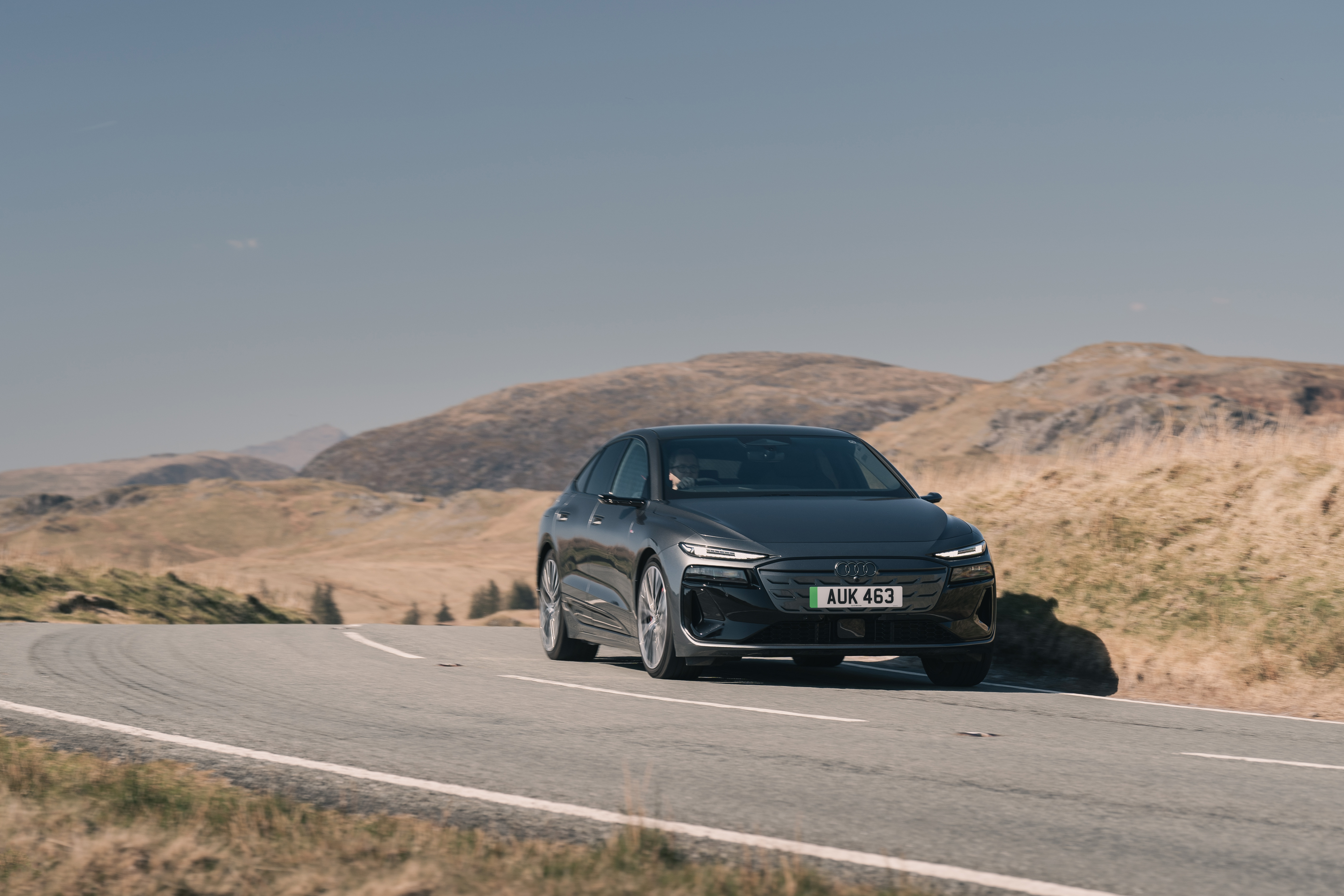
Audi Q6 e-tron Review
Read our expert Audi Q6 e-tron review. Discover range, charging, practicality, performance and whether an Audi Q6 e-tron lease is right for you.
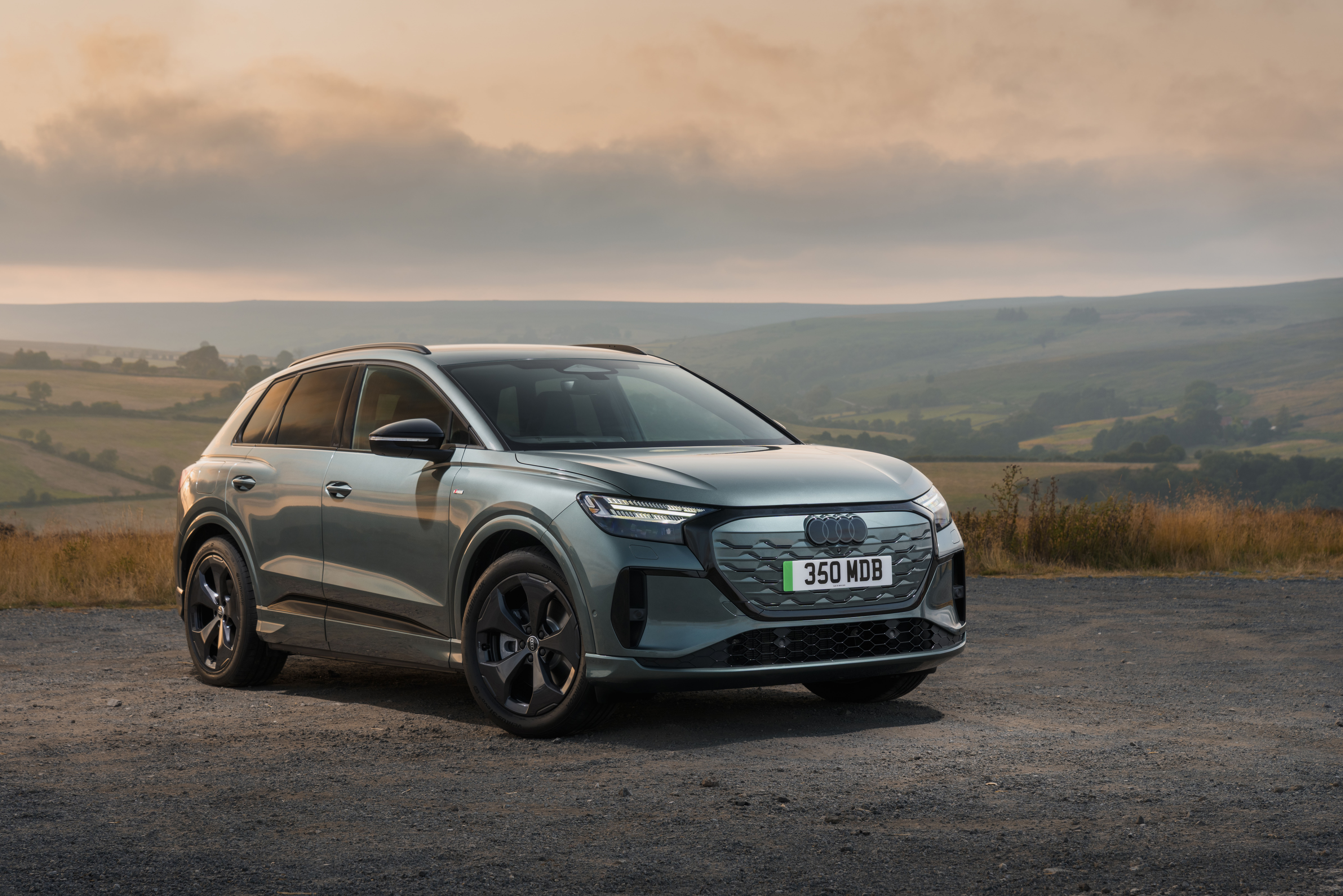
Audi Q4 e-tron Review
Thinking about leasing an Audi Q4 e-tron? Our expert review covers driving performance, interior quality, range, charging, practicality and how it compares with its biggest rivals.
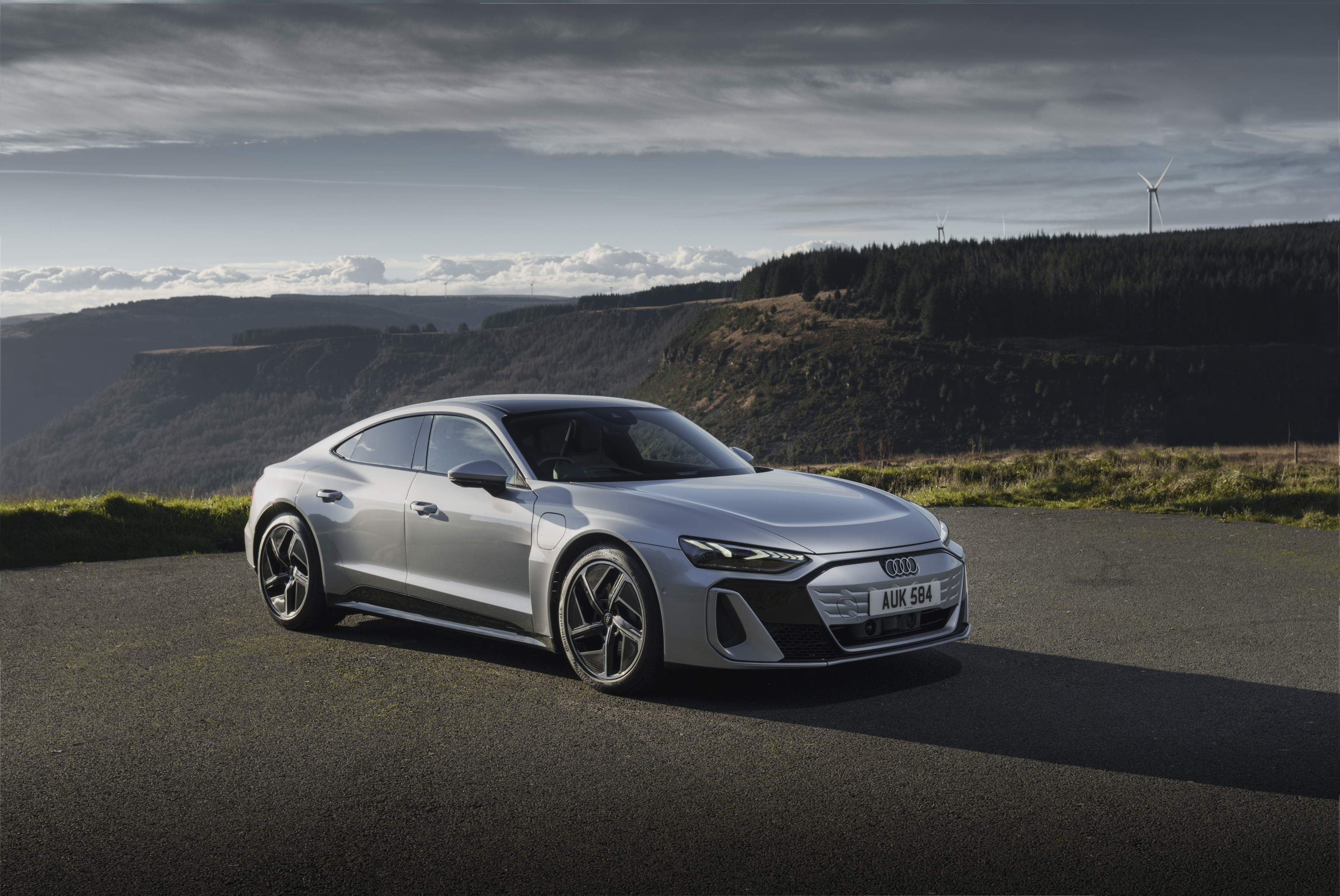
Audi e-tron GT Review
Read our expert Audi e-tron GT review. Discover performance, range, charging, practicality and whether an Audi e-tron GT lease is the right choice for you.
Customer Stories
We've helped over 1,000+ customers find their dream car, hear what they have to say.
Read more reviews“As usual, top class service. The team at Motorlet provided first class service from beginning to end with the friendly helpful expertise of Josh and Wendy. Will continue to use their services as I have done for the past six years...” Keep reading
Diane Parish | Audi Q5